
Last updated November 23, 2026
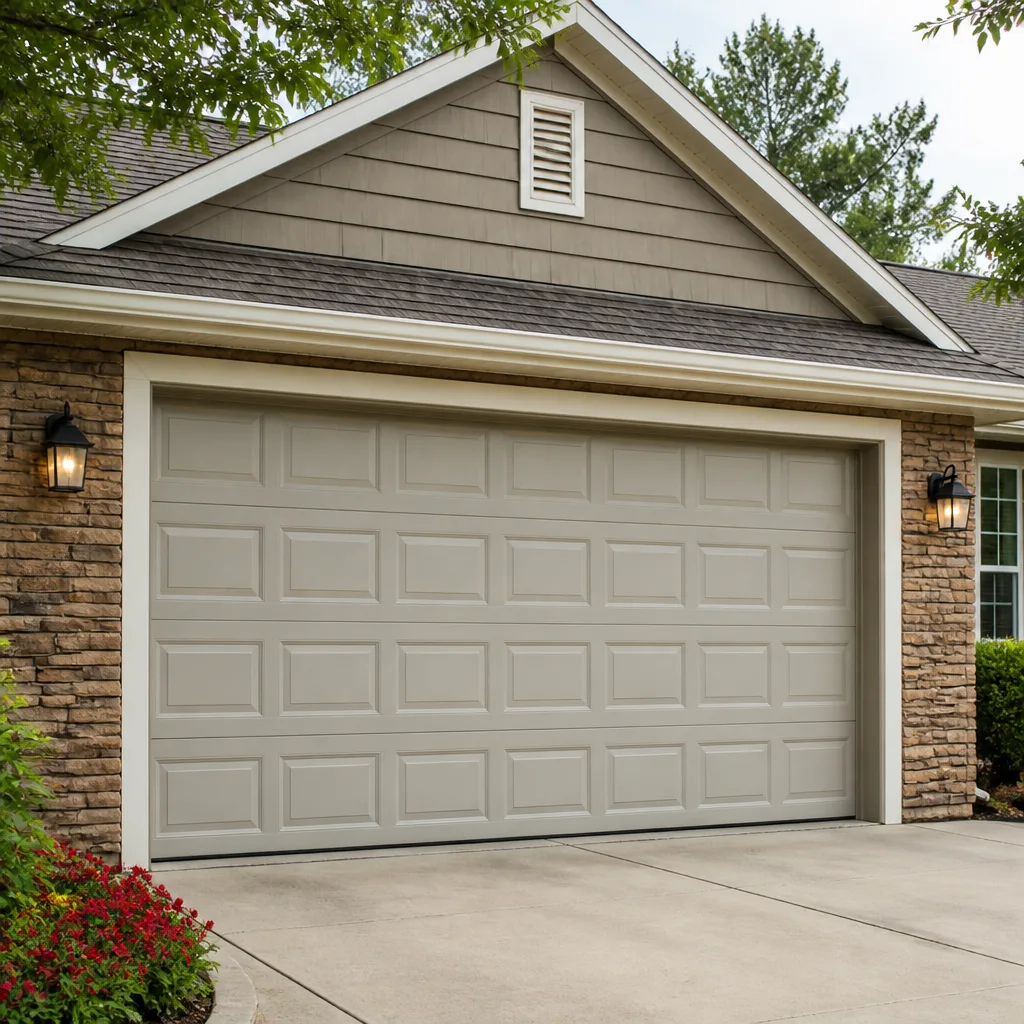 Raised-panel steel
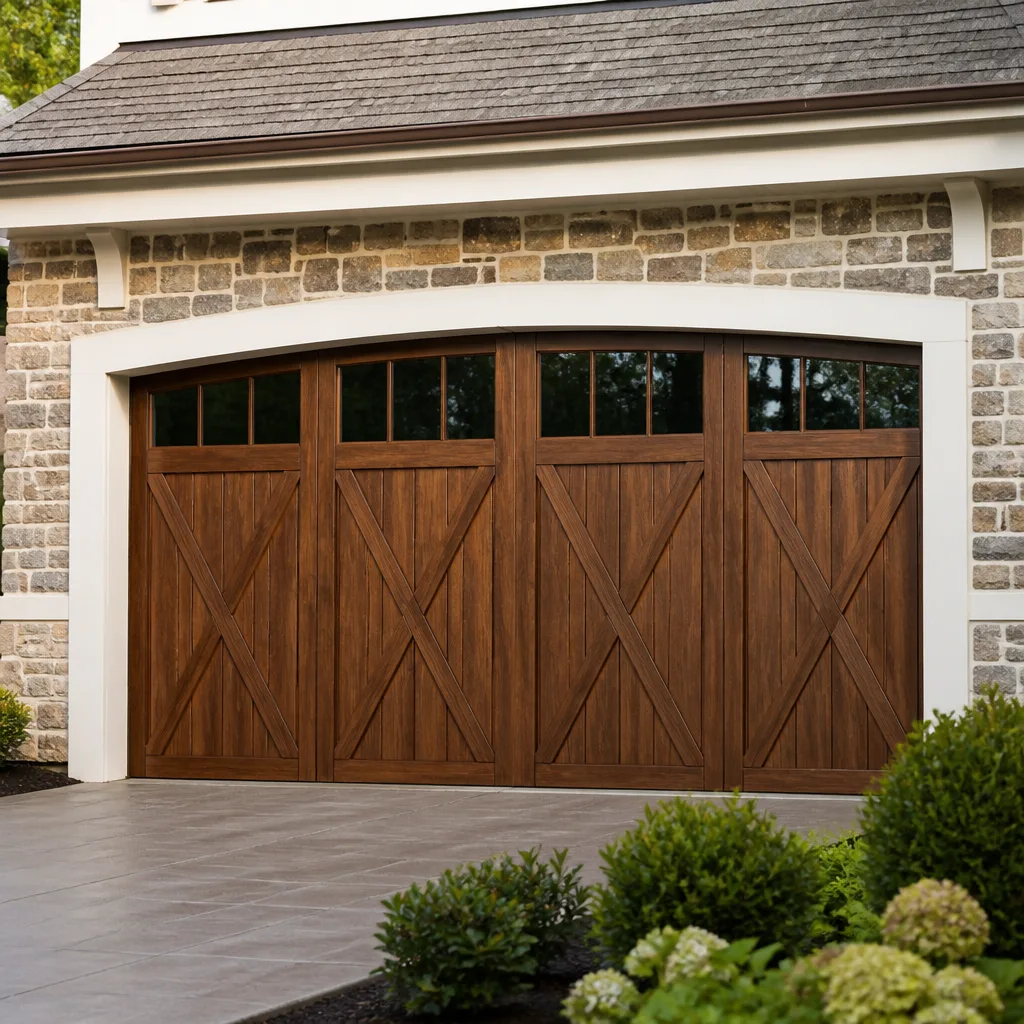 Carriage house
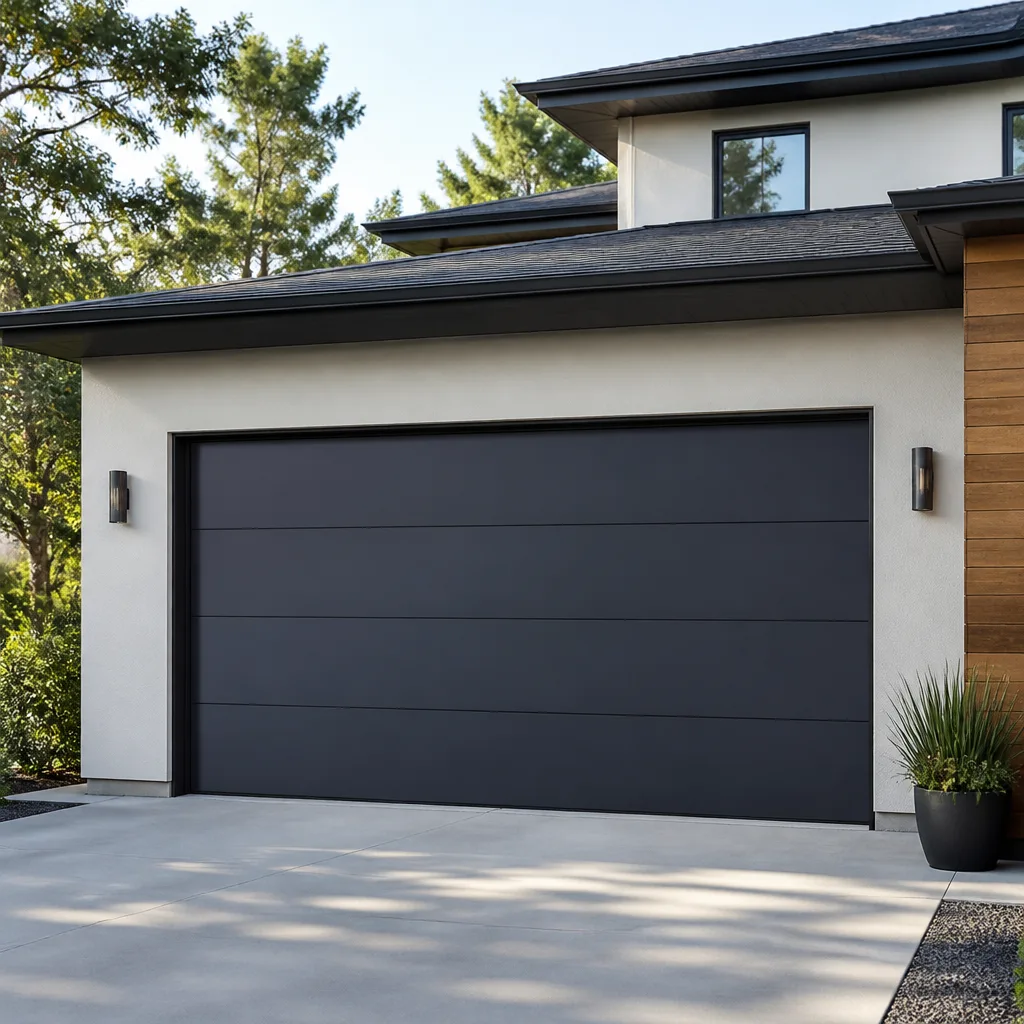 Modern flush
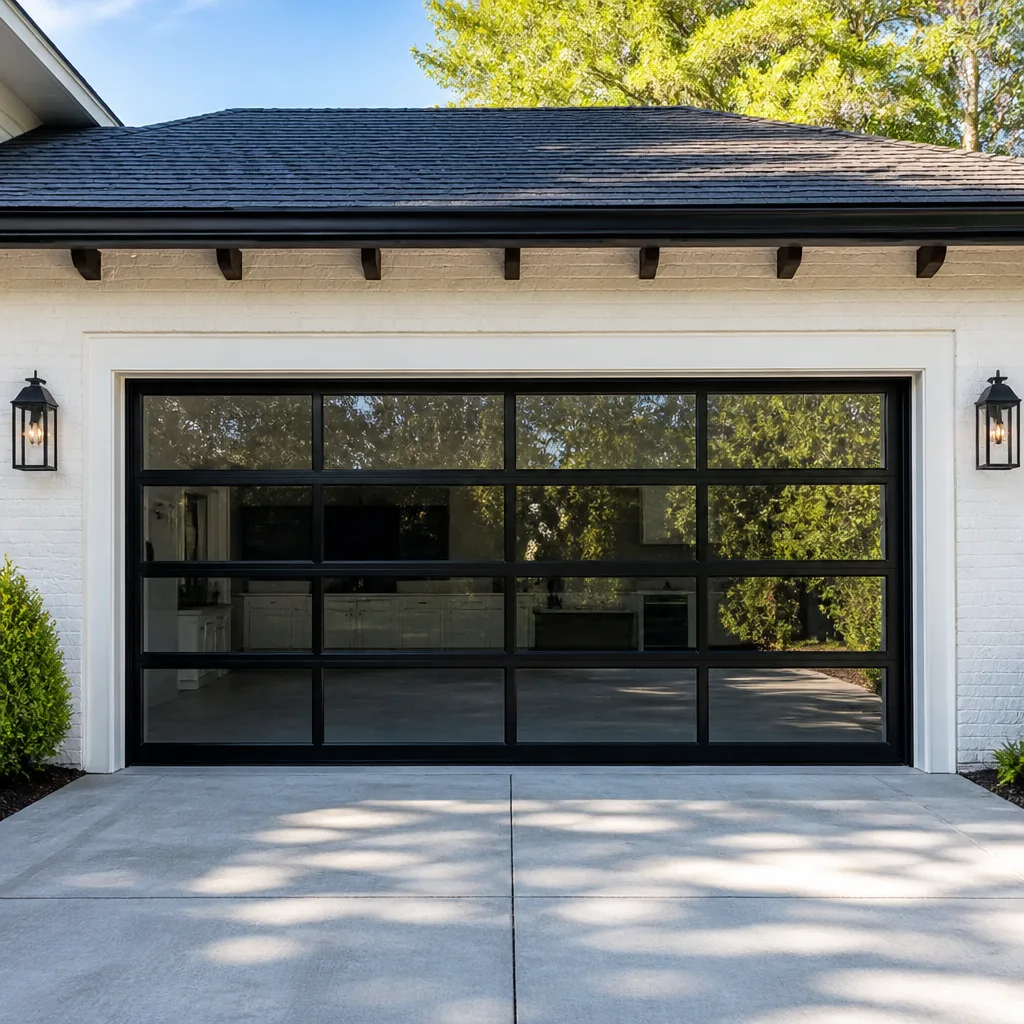 Full-view glass
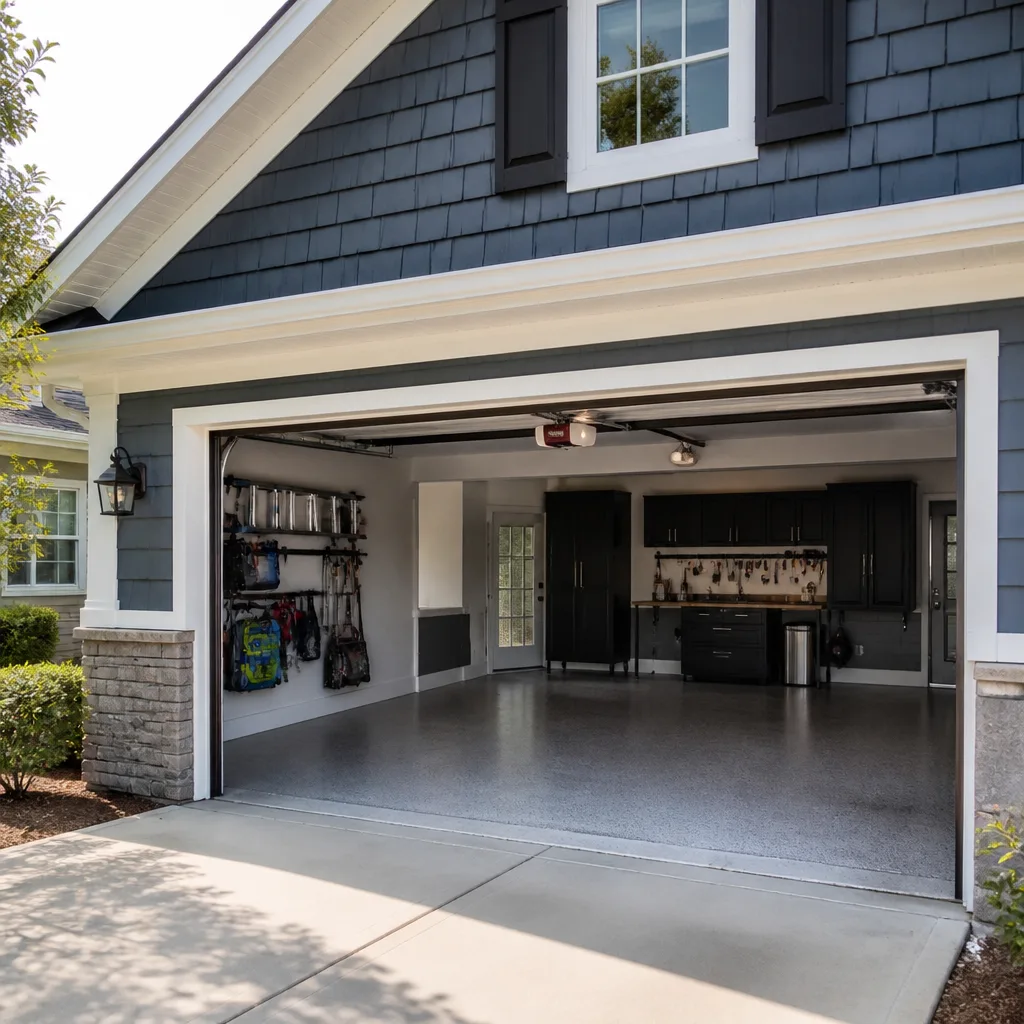 LiftMaster openers
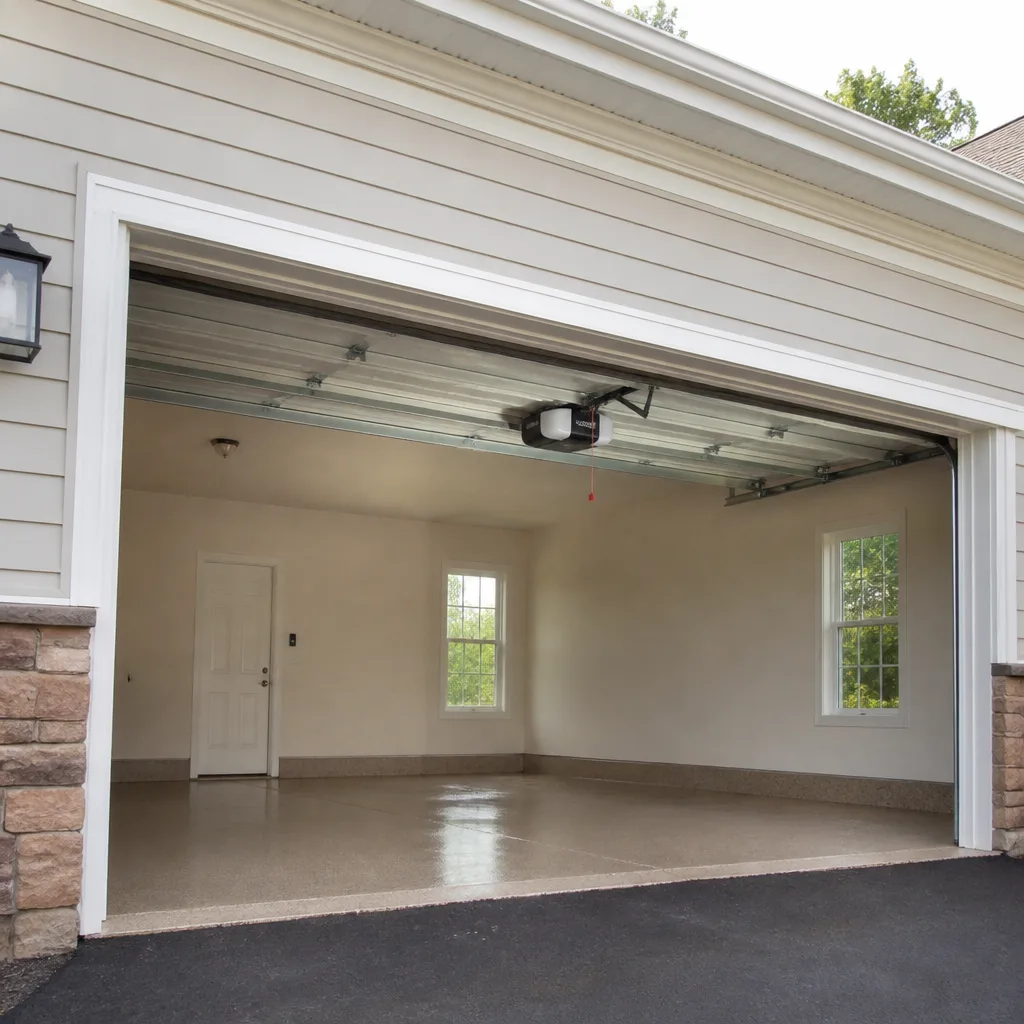 Chamberlain openers
Full 25-point door and opener safety check with every visit - springs, cables, rollers, tracks, and your LiftMaster or Chamberlain opener included
You get a price before we start. It does not change when the pro arrives.
Get your free estimateGarage Door Repair Maintenance Checklist for New Brunswick Homeowners
The task most New Brunswick homeowners skip costs less than a dollar in silicone spray and prevents the single most expensive garage door failure we see: lubricating the torsion spring anchor plate. It’s buried at the top of the door, out of sight, so it never gets touched.
Most checklists you’ll find online are generic ten-point lists copied from manufacturer brochures. They don’t account for what actually breaks doors in New Brunswick: winter road salt tracked onto hardware, and openers that run six to ten cycles a day in multi-driver households near Rutgers. This guide is built backward from those failure patterns. You’ll learn which tasks you can handle, which need a technician, and how to tell “schedule service” from “stop using the door now.”
Quick Answer
A working maintenance routine for New Brunswick doors has two halves: a monthly five-minute homeowner walk-around (visual inspection, a drop of lubricant, testing the safety reverse) and a professional tune-up once a year that covers spring tension, cable condition, track alignment and opener force settings. Prioritize the bottom seal, roller stems and hinge knuckles if your garage faces a road treated with winter brine, and stop using the door immediately if you hear a bang from the springs or see a gap in a cable.
Table of Contents
- Why New Brunswick Doors Wear Differently
- The Monthly Homeowner Checklist
- Salt and Brine Protocol for Road-Facing Garages
- The Annual Technician Checklist
- Warning Signs: Schedule Service vs. Stop Using the Door
- Logging Door Performance So Intermittent Problems Get Fixed
- What to Replace Proactively vs. What to Watch
- Common Mistakes to Avoid
Why New Brunswick Doors Wear Differently
Garage doors in New Brunswick live a harder life than the national average, and it has little to do with the door itself. Two local patterns drive most of the wear.
The first is winter road treatment. Streets around the city get heavily brined and salted from the first freeze through spring, and that spray doesn’t stay on the road. It lands on the bottom seal, roller stems and hinge knuckles of any door facing the street or a driveway that drains toward it. Salt doesn’t just look bad on hardware, it eats the protective coating on steel parts and accelerates rust at every pivot point. A door that would last fifteen years in a dry climate can show pitted hinges here in half that time if nobody rinses them down.
The second is cycle count. A single-driver household runs the door two to four times a day. Plenty of homes near Rutgers and the dense blocks off George Street run six, eight, sometimes ten cycles daily between students, commuters and deliveries. Springs are rated by cycles, not years, so a high-cycle household burns through spring life at two to three times the rate of a quiet suburban one. Openers from LiftMaster, Chamberlain and Genie all track cycle counts internally, and a technician can read that data to tell you exactly where you stand.
What this means for you: the schedule below is intentionally weighted toward corrosion control and cycle awareness. Generic lists ignore both.
The Monthly Homeowner Checklist
This is the part you do yourself. It takes about five minutes once a month, and each line below includes an honest time estimate.
- Visual sweep of springs and cables (1 minute). Look at the torsion spring above the door or the extension springs along the sides. You’re checking for visible gaps in the metal and fraying on cables. Don’t touch. Just look.
- Lubricate hinges, rollers and the spring anchor plate (2 minutes). A silicone-based spray on each hinge knuckle, each roller stem and the anchor plate at the top center. This is the cheapest insurance on the whole door.
- Test the safety reverse (1 minute). Place a roll of paper towels under the door and close it. The door should reverse on contact. If it presses down first, the opener needs adjustment.
- Wipe the bottom seal (30 seconds). A damp rag along the rubber seal pulls off the salt film before it works into the rubber.
- Listen (30 seconds). Run the door up and down once and just listen. Grinding, popping or a door that lurches halfway up tells you more than any visual check.
That’s it. No tools beyond a spray can and a rag. If any step reveals a problem, note the date and what you saw. We’ll explain why that log matters later.
Salt and Brine Protocol for Road-Facing Garages
If your driveway empties onto a treated street, especially the busier stretches near Route 27 and Route 18, your hardware needs a winter protocol on top of the monthly routine.
Here’s what a New Brunswick winter does to a garage door: brine spray settles on the bottom seal and the lowest hinge as the door meets the driveway, then wicks up the roller stems during every cycle. Left alone, it dries into a crust that traps moisture against the metal. Rollers start seizing, hinges stiffen, and the opener works harder with each cycle. By March the door sounds like it’s dragging because it is.
Our winter additions:
- Rinse the bottom seal weekly during salting season. A garden hose or even a bucket of plain water, wiped along the seal and the first hinge up from the floor, neutralizes most of what lands there.
- Re-lubricate every two weeks instead of monthly. Salt strips lubricant faster than normal use does.
- Check roller stems for stiffness by hand. With the door down, try to roll a roller by hand. It should turn freely. A stiff roller is a salt-damaged roller.
- Inspect the bottom seal for cracking each spring. A seal that’s dry and split lets water and salt reach the door’s bottom section, which is the most expensive section to replace.
Doors from Clopay and Amarr hold up well against this if the hardware is maintained. The door panel rarely fails first. The hardware underneath it does.
The Annual Technician Checklist
Some tasks should never be on your list. Torsion springs store enough energy to cause serious injury, and adjusting them is a trained job. The annual professional visit covers everything mechanical and everything dangerous.
What a proper tune-up includes:
- Spring tension measurement. A technician checks balance and remaining spring life against your opener’s cycle count.
- Cable inspection. Fraying and loose drum wraps are caught here, before a cable slips.
- Track alignment and hardware torque. Every bolt, every hinge, every bracket checked and tightened to spec.
- Roller condition. Worn nylon or steel rollers replaced as needed.
- Opener force and travel settings. Tested and adjusted so the door reverses correctly and the opener isn’t overworking.
- Safety sensor alignment. Verified on both sides of the door.
One tune-up covers the springs, opener, tracks and hardware together. That’s the advantage of using a company that only works on garage doors. Every technician and every tool is focused on these systems, not split across general handyman work. If you’ve noticed grinding or a door that doesn’t sit flush at the floor, that’s worth booking a garage door repair visit rather than waiting for the annual tune-up.
Warning Signs: Schedule Service vs. Stop Using the Door Now
This is the distinction most checklists miss, and it’s the one that matters most for safety and cost. Some symptoms can wait a week. Others mean the door should not move again until a technician sees it.
Schedule service soon:
- A door that’s louder than it used to be, but moves smoothly.
- Rollers that squeak or a slight hesitation at the start of travel.
- A bottom seal that’s cracked or separating.
- A remote that works intermittently or a wall button that needs a harder press.
Stop using the door now:
- You heard a loud bang from the springs and the door won’t lift. A broken torsion spring means the door is being held by the opener and cables alone, which is a genuine hazard.
- You can see a gap in a spring, or the door hangs crooked with one side low.
- A cable is visibly frayed or hanging loose.
- The door reverses immediately after starting to close, or closes partway and stops without a clear obstruction.
- Anything that sounds like metal dragging against metal.
When the door won’t move, call us. We answer 24/7. Fast dispatch from 7am to 7pm, Sunday through Friday. A call outside dispatch hours is booked into the next opening, Sunday through Friday, 7am to 7pm. Spring failure is one of the most dangerous problems a garage door can have, which is why garage door spring repair is a named service for us rather than a side job.
Logging Door Performance So Intermittent Problems Get Fixed
Intermittent problems are the hardest service calls to diagnose, and the good news is that you can do most of the diagnostic work yourself with a simple log.
Keep a note on your phone or a pad in the garage. Every time something seems off, write four things: the date, the time of day, what happened, and the weather or temperature. That’s it. A door that reverses on its own only when it’s below freezing tells a technician something very different from a door that reverses randomly. A door that grinds only on the first cycle of the morning points to a different part than one that grinds every time. Sensor problems often track to sun angle or moisture. Opener faults on Chamberlain and Genie units often correlate with temperature.
Bring that log to the appointment. A handful of entries – even three or four over a couple of months – turns a “sometimes it doesn’t work” call into a targeted repair. It saves you money because the technician isn’t chasing symptoms blind, and it saves a second visit.
The same principle applies to your opener. If the wall button works but the remote doesn’t, note it. If the door works from one remote but not the other, note it. That distinction alone shortens a garage door opener repair call considerably.
What to Replace Proactively vs. What to Watch
Not everything on a garage door needs replacing on a schedule. Some parts have predictable lifespans and are cheaper to replace before they fail. Others are fine until they show symptoms, and replacing them early just costs money for nothing.
Replace proactively:
- Rollers. These are consumable parts and they wear predictably. On a high-cycle New Brunswick door, rollers are worth replacing on a routine interval because a seized roller damages tracks and overworks the opener.
- Bottom seal. Once it’s cracked or stiff, it’s letting in water and salt. Replace it before it damages the bottom panel.
- Springs, in matched pairs. When one torsion spring breaks, the other has cycled just as many times. Replacing both at once is standard practice, not an upsell.
Watch, don’t replace:
- Cables. Replace when they show fraying or looseness. Otherwise inspect and leave them.
- Hinges. Replace when they seize or crack. Lubrication extends their life considerably.
- Opener. Replace when it fails or no longer meets your needs. A working opener with a fresh battery and correct force settings doesn’t need replacing just because it’s older.
If you’re comparing the cost of a repair against a full replacement, that’s the moment to talk about garage door repair scope versus a new installation. We handle both, so there’s no need to source a second contractor if the door is beyond repair. And if you’re weighing a repair against a new door, a free measure and a written price will tell you which makes sense for your door, your opener and your budget.
Common Mistakes to Avoid
- Lubricating the tracks. Tracks should stay clean and dry. Grease on the tracks attracts grit and makes rollers slide instead of roll, which creates its own problems. Two sentences of advice that we give every New Brunswick customer who asks what to spray.
- Spraying WD-40 on the springs. It’s a water displacer, not a lubricant, and it evaporates within days. Silicone spray or a proper garage door lubricant is what actually protects the anchor plate.
- Ignoring the spring anchor plate. It’s the most-skipped lubrication point in the trade, and it’s the cheapest failure to prevent. If the plate seizes, the entire torsion system takes on stress it wasn’t designed for.
- Forcing a door that’s stuck or crooked. If the door is crooked or a spring has failed, the opener will drag it up with the cables carrying the load. That’s when cable failure and injury happen. Stop and call.
- Skipping the winter rinse near Route 27 and Route 18. Salt damage is cumulative and it doesn’t show up until hardware is already compromised. A weekly rinse in salting season is the single most effective preventive step for road-facing doors.
- Replacing one spring when the other is equally worn. A matched pair fails close together in age, so a single-spring replacement usually means a second call within months. The pair is the standard fix.
- Booking a tune-up without mentioning the symptoms. If you’ve got a log, bring it. A technician who knows the door grinds only in cold weather arrives with the right parts and finishes in one visit.
Styles & brands we work with
- Raised-panel steel
- Carriage house
- Modern flush
- Full-view glass
- LiftMaster openers
- Chamberlain openers
When to Call a Professional
Call a professional if any of the following is true: you heard a bang and the door won’t lift, the door hangs crooked, a cable looks frayed, the door reverses on its own, or the safety reverse doesn’t trigger on a test. Those are stop-using-the-door signals, not tune-up signals.
Also call if your door is grinding, popping, or getting louder month over month. That’s wear you can catch early. If your opener is misbehaving in a way your log can’t explain, we work on the brand already on your garage – LiftMaster, Chamberlain, Genie, Clopay, Amarr, Wayne Dalton, Craftsman and Raynor – so we’re not guessing at settings or forcing a generic substitute part.
New Brunswick Garage Door Repair Pros offers free estimates in New Brunswick. Call (866) 937-8856. We answer 24/7. Fast dispatch from 7am to 7pm, Sunday through Friday.
See the difference
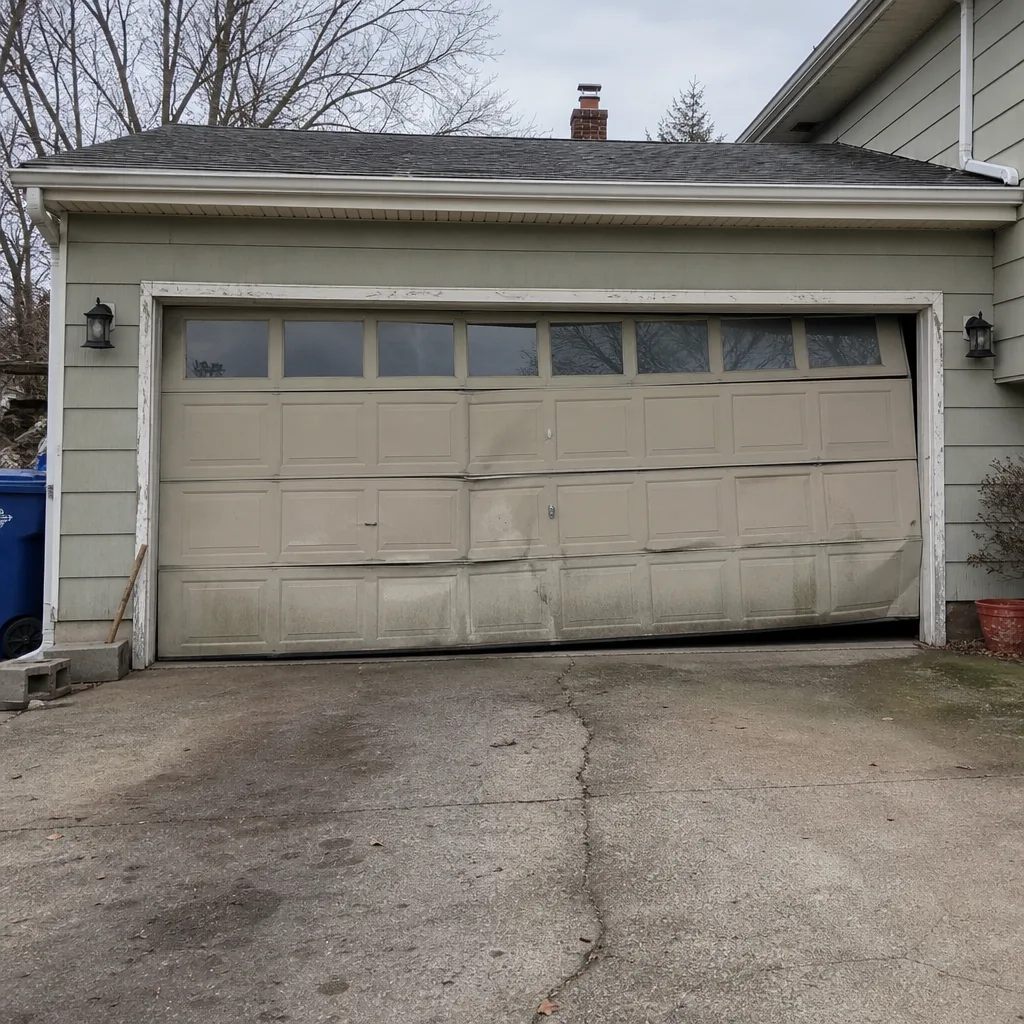 Before
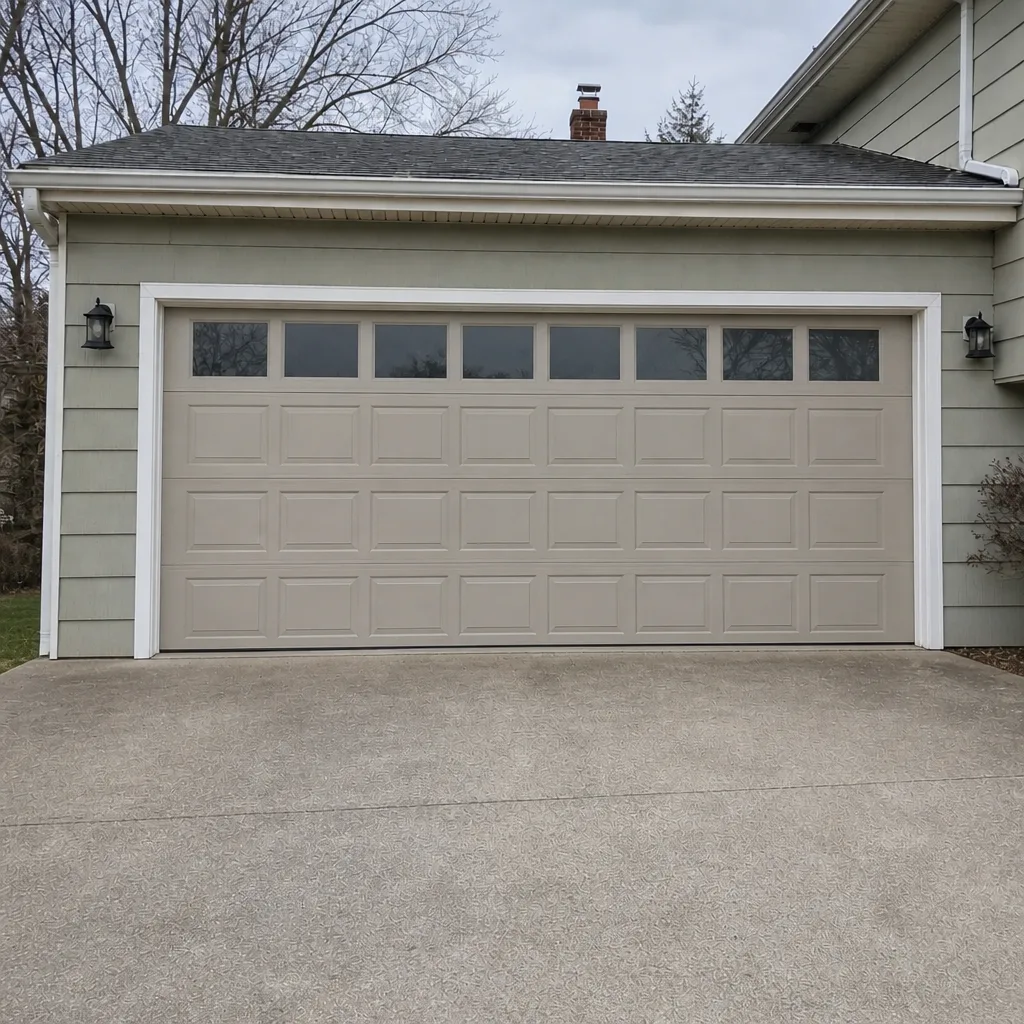 After
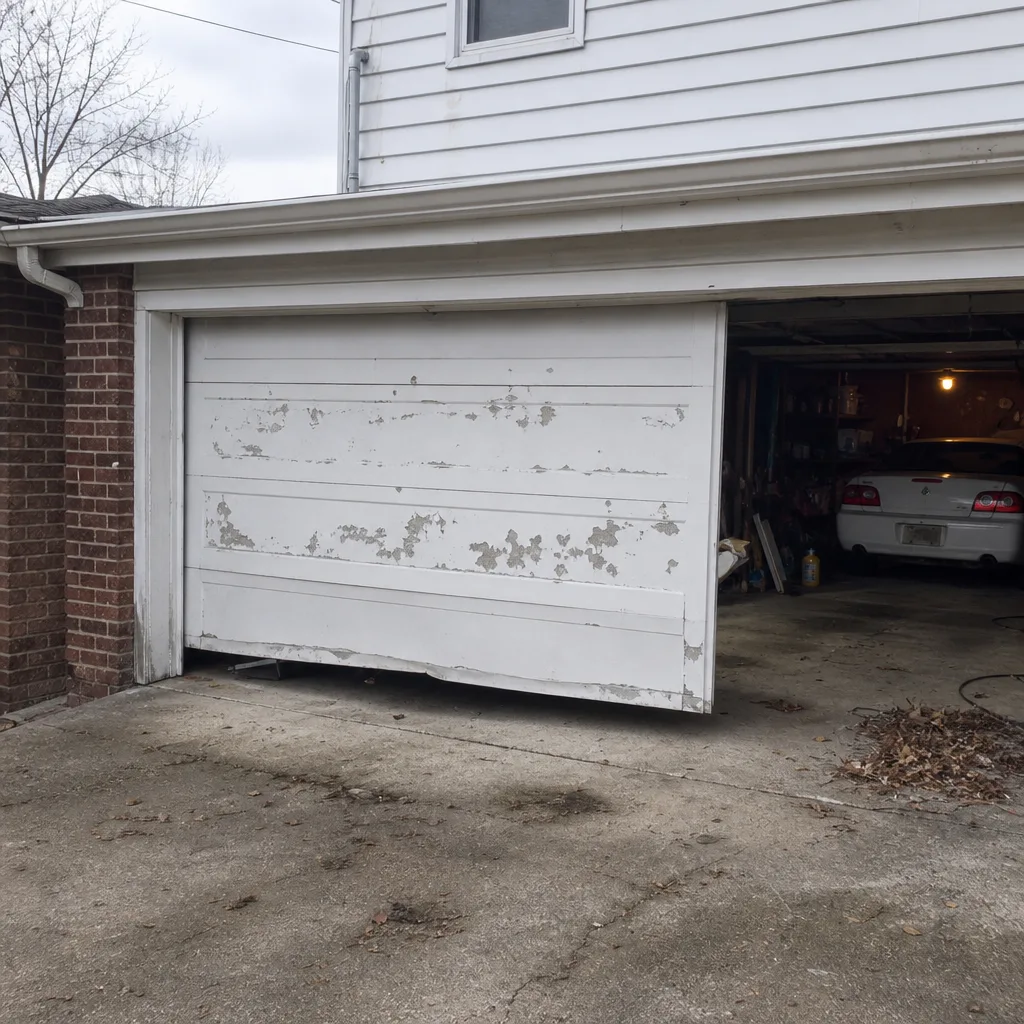 Before
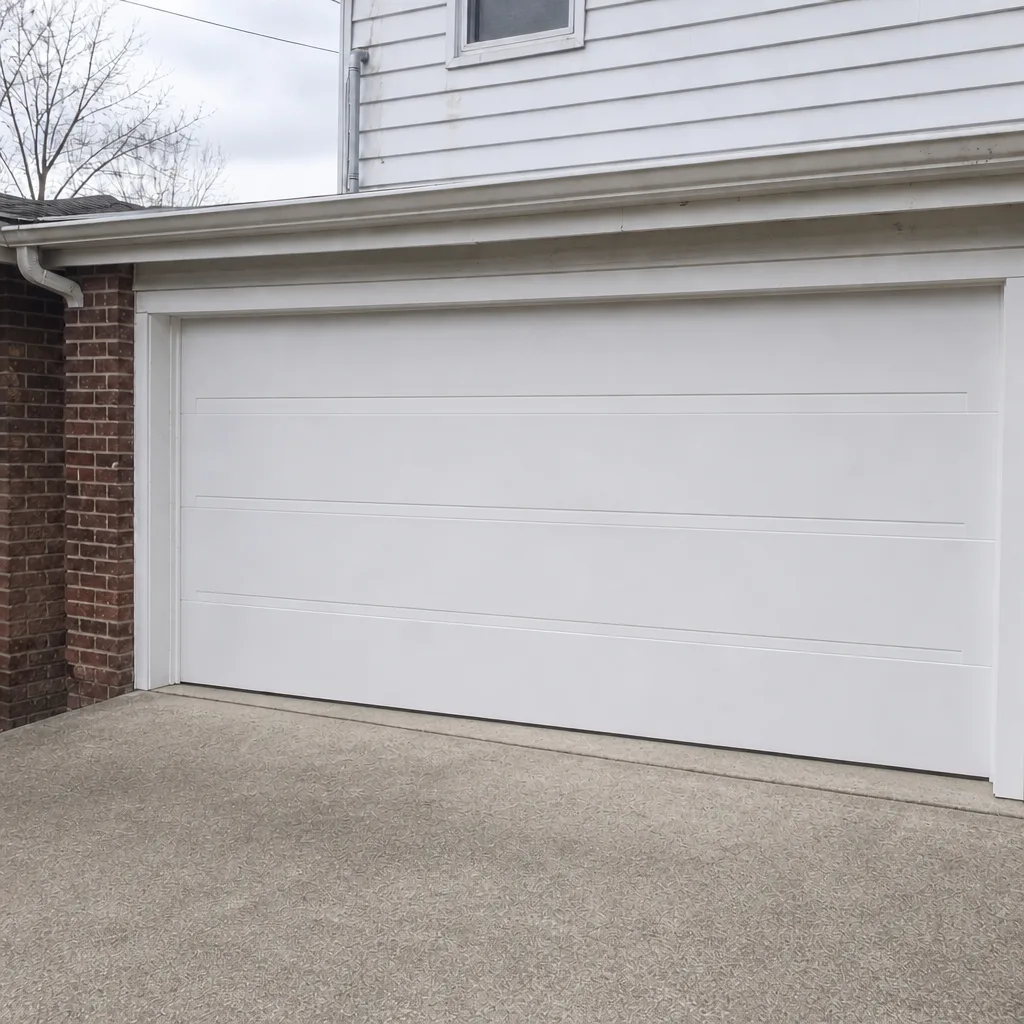 After
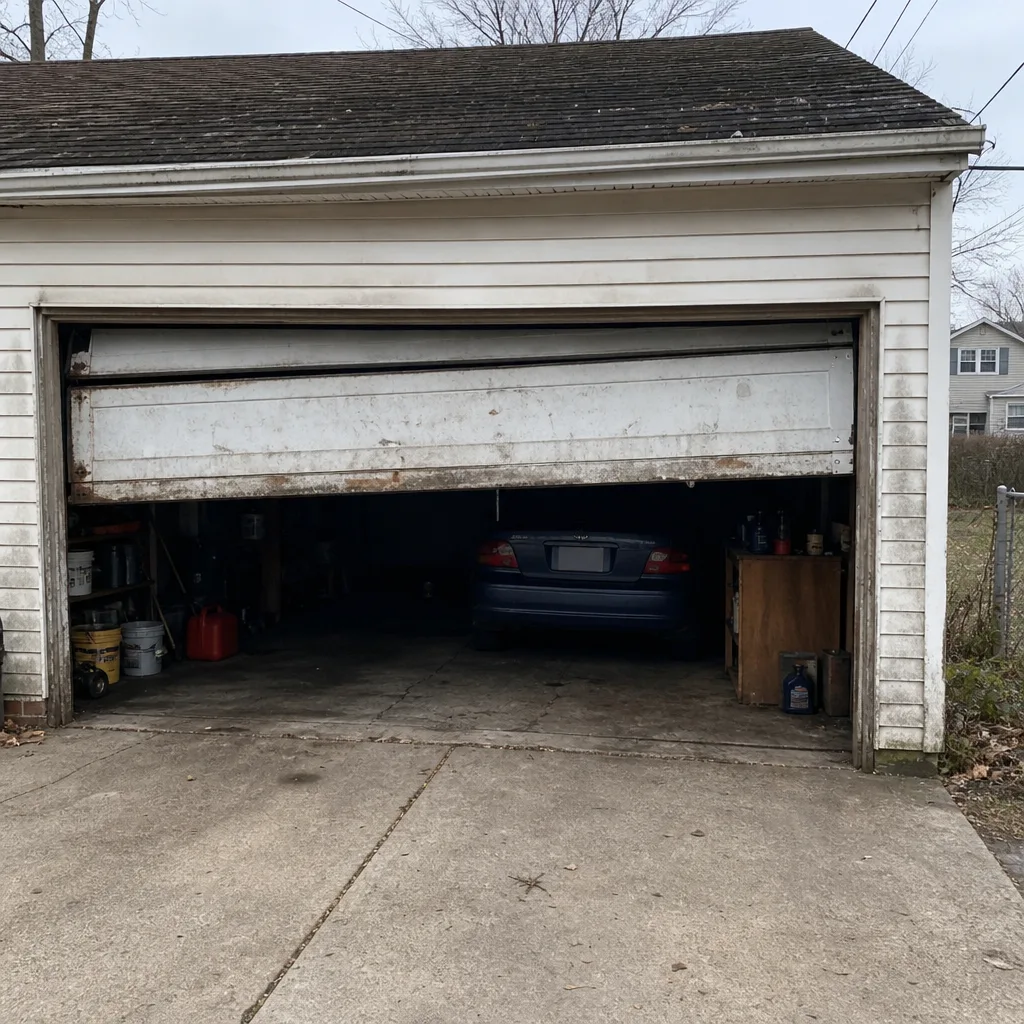 Before
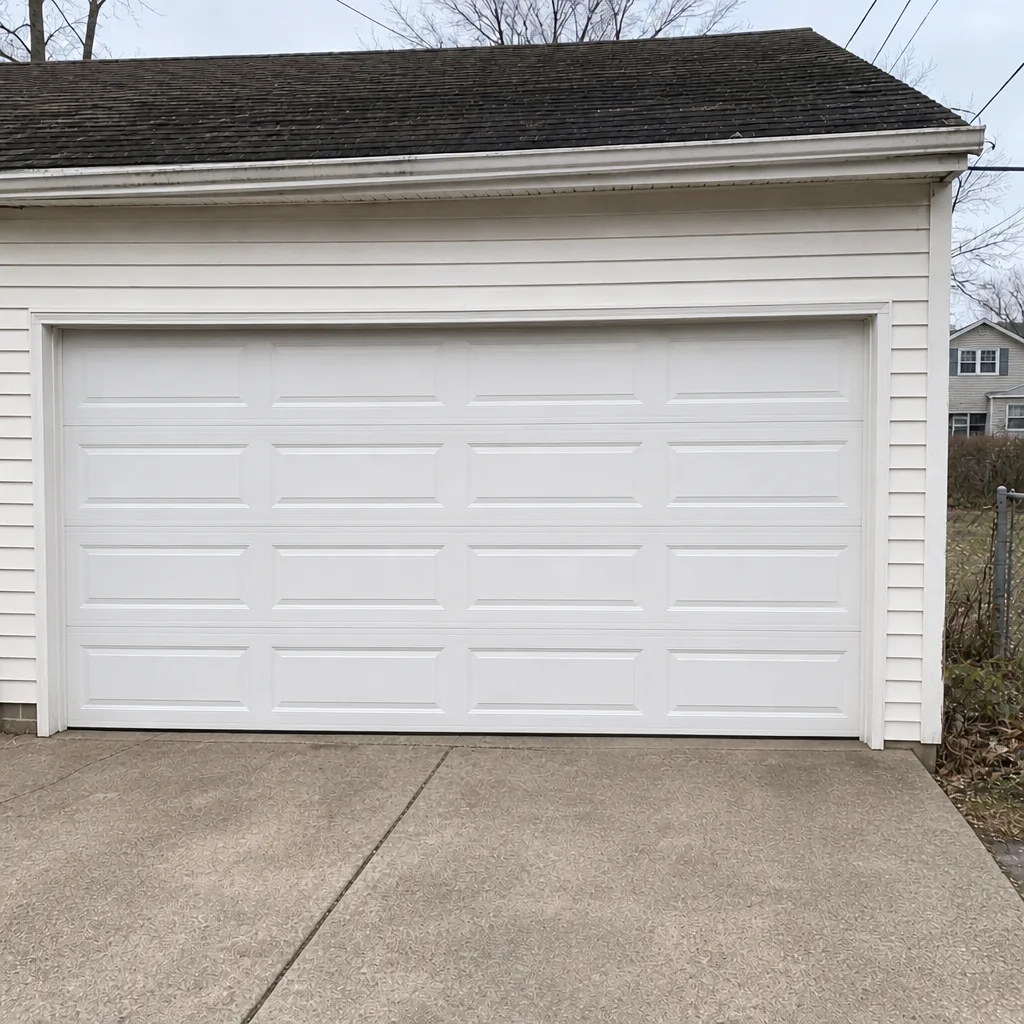 After
Frequently Asked Questions
Once a year for a professional tune-up, plus a monthly five-minute homeowner check. If your household runs the door six or more times a day, or your driveway faces a heavily treated street, consider a professional visit twice a year. Springs are rated by cycles, not years, so a high-cycle door wears out its service interval faster. Call (866) 937-8856 to book a free estimate.
Stop using the door and call a professional. A broken torsion spring means the door is being held up by the opener and cables, and forcing it can cause cable failure or injury. Don’t try to lift it by hand or run the opener to “test it.” Call (866) 937-8856. We answer 24/7, with fast dispatch from 7am to 7pm, Sunday through Friday.
Yes, and you should. Silicone spray on hinge knuckles, roller stems and the spring anchor plate is a safe, effective homeowner task. Don’t touch the springs or cables themselves, and don’t lubricate the tracks. If anything looks unusual while you’re up there, note it and mention it when you call (866) 937-8856.
Repair makes sense when the door panels are intact and the failure is mechanical – springs, opener, rollers, cables or hinges. Replacement makes sense when panels are rusted through, the door is badly out of alignment, or repair costs approach the price of a new door. A free measure and written price will settle it. Call (866) 937-8856 for a free estimate.
Cold weather makes metal contract, stiffens lubricant and hardens the bottom seal, which can throw off sensor alignment and opener force settings. On a New Brunswick door, salt residue from winter road treatment compounds the problem by stiffening rollers and hinges. A log of when it happens helps us diagnose it on the first visit. Call (866) 937-8856 to schedule.
No. The written estimate sets the price, and that price is quoted and agreed before any work starts. If the job turns out to need something beyond what the estimate covered, we discuss it with you before proceeding, never after. Call (866) 937-8856 for a free estimate.
The Bottom Line
A garage door is a mechanical system with moving parts under load, and New Brunswick wears it harder than most places between road salt and high daily cycles. The routine that works is simple: a monthly five-minute check, a winter rinse for road-facing hardware, a log of any odd sounds or behavior, and one professional tune-up a year that covers the parts you shouldn’t touch. Replace rollers, bottom seals and springs in matched pairs proactively. Watch cables, hinges and openers until they show symptoms. And if the door bangs, hangs crooked or reverses on its own, stop and call before it becomes a bigger repair.
One call covers repair, opener service, springs and full installation, so you’re not juggling contractors. Call (866) 937-8856 for a free estimate. We answer 24/7. Fast dispatch from 7am to 7pm, Sunday through Friday.
For a full view of the services behind this checklist, visit New Brunswick Garage Door Repair Pros.
Written by the team at New Brunswick Garage Door Repair Pros.