
Last updated November 23, 2026
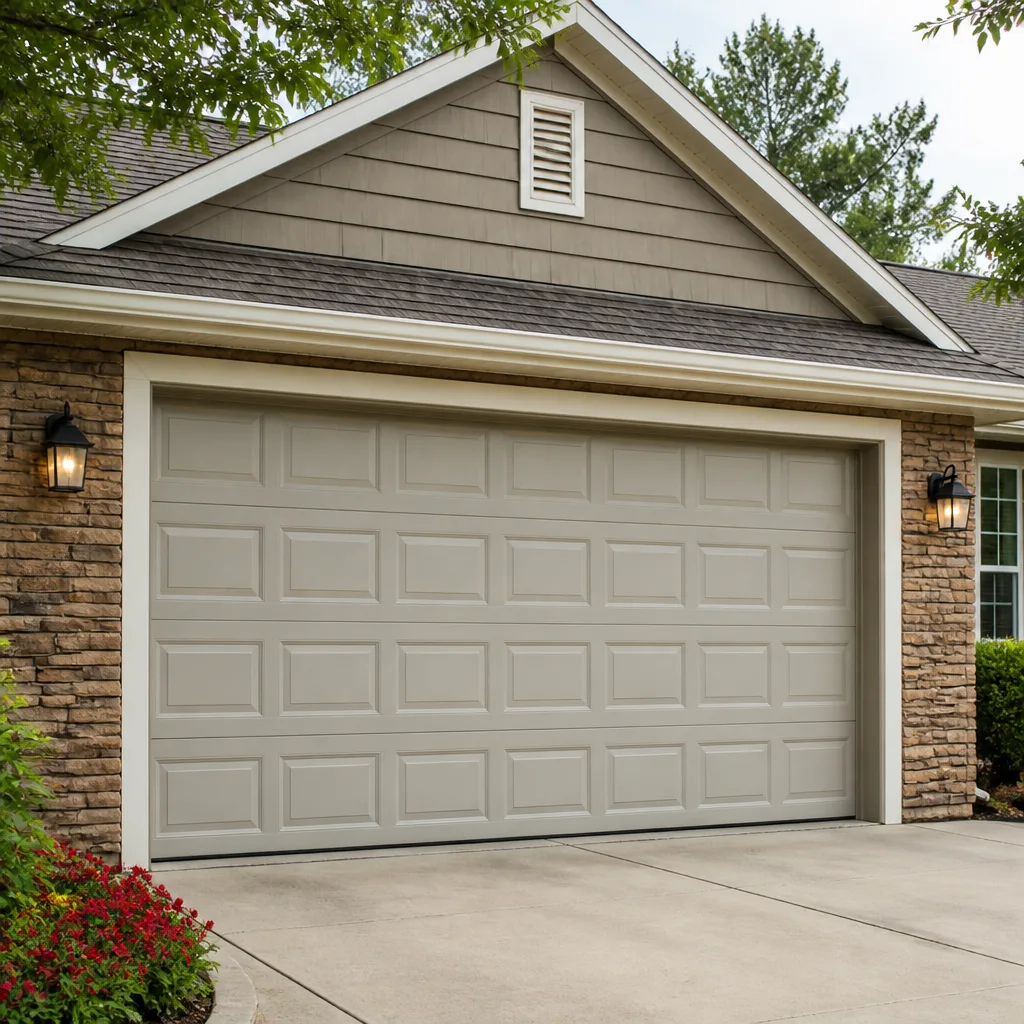 Raised-panel steel
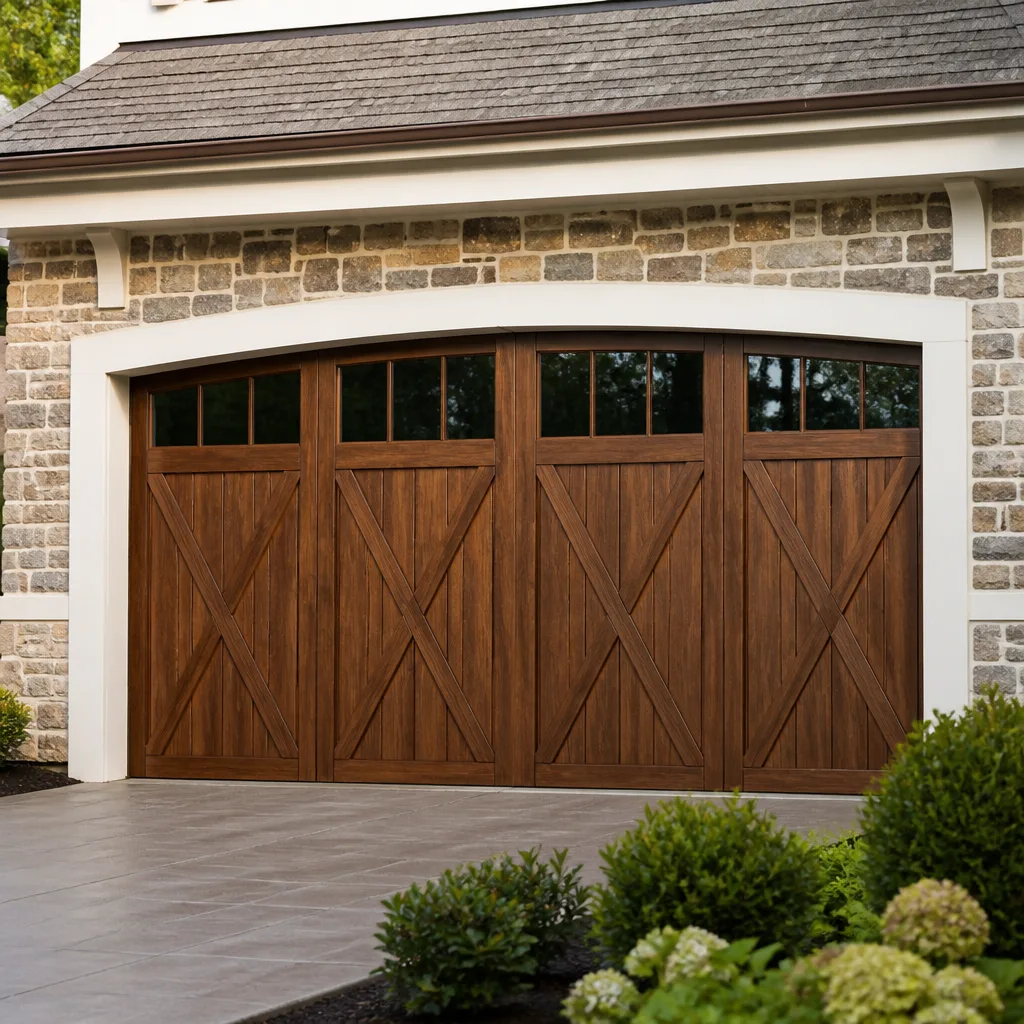 Carriage house
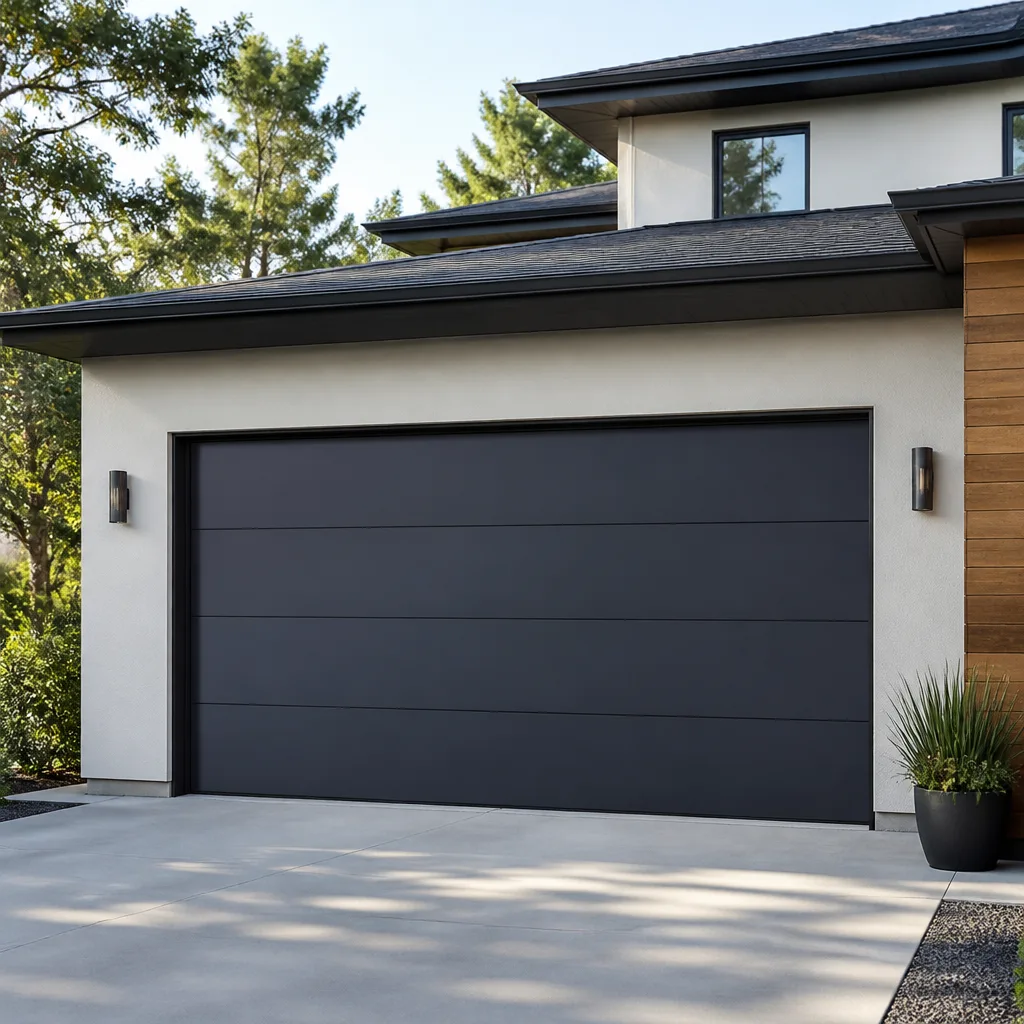 Modern flush
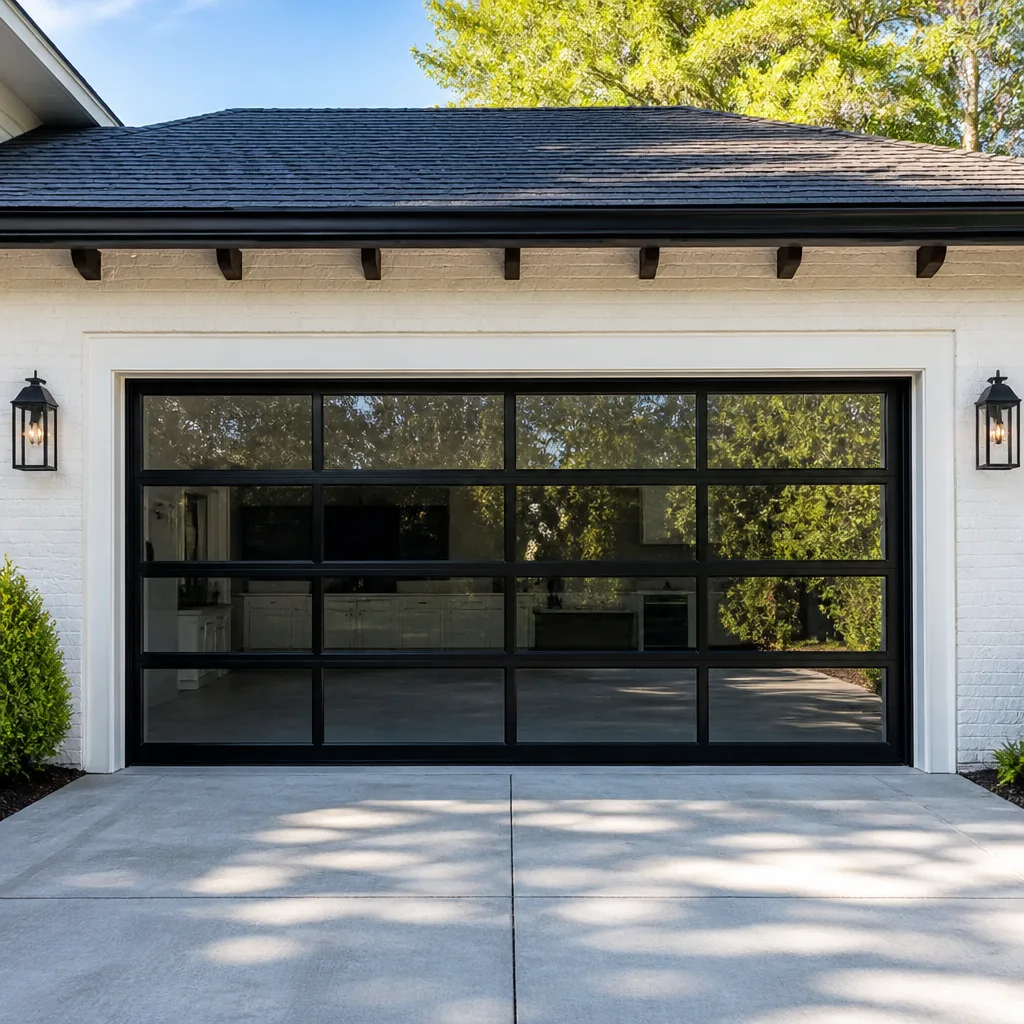 Full-view glass
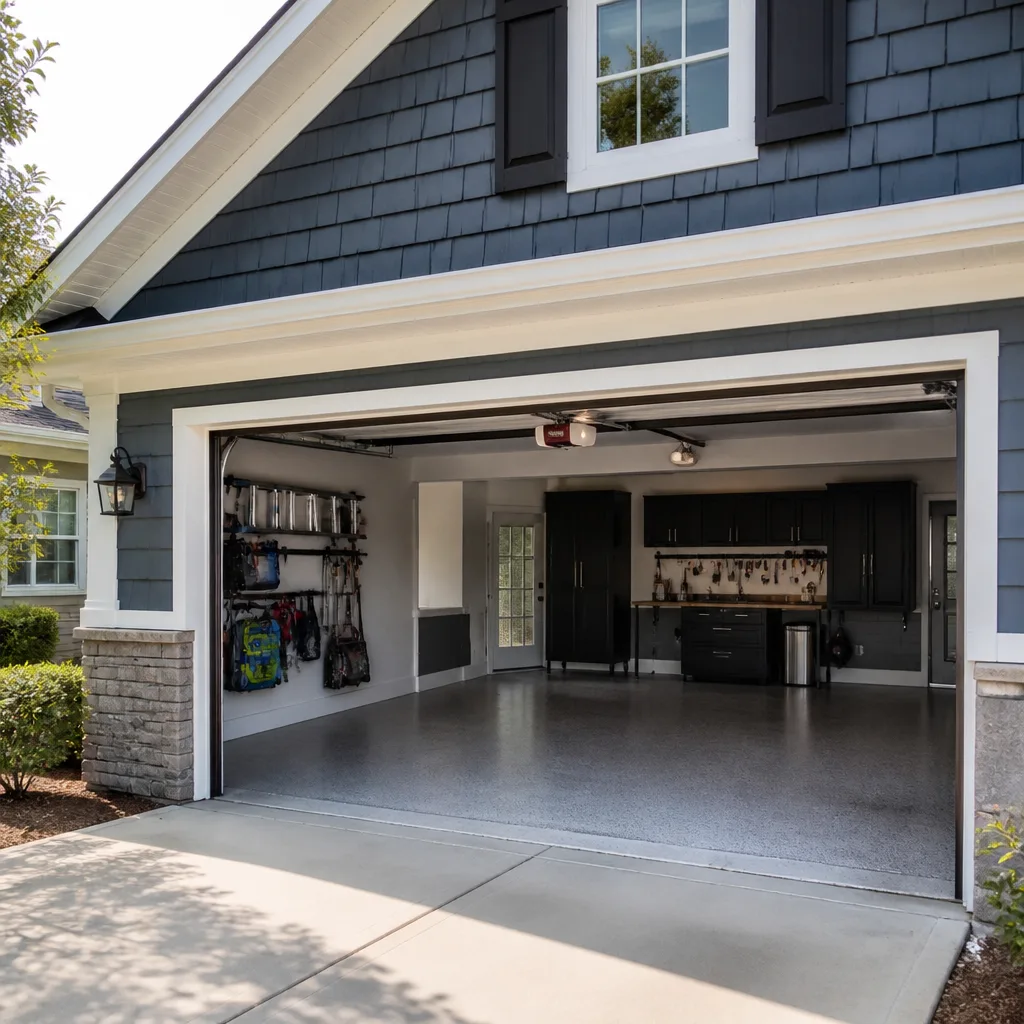 LiftMaster openers
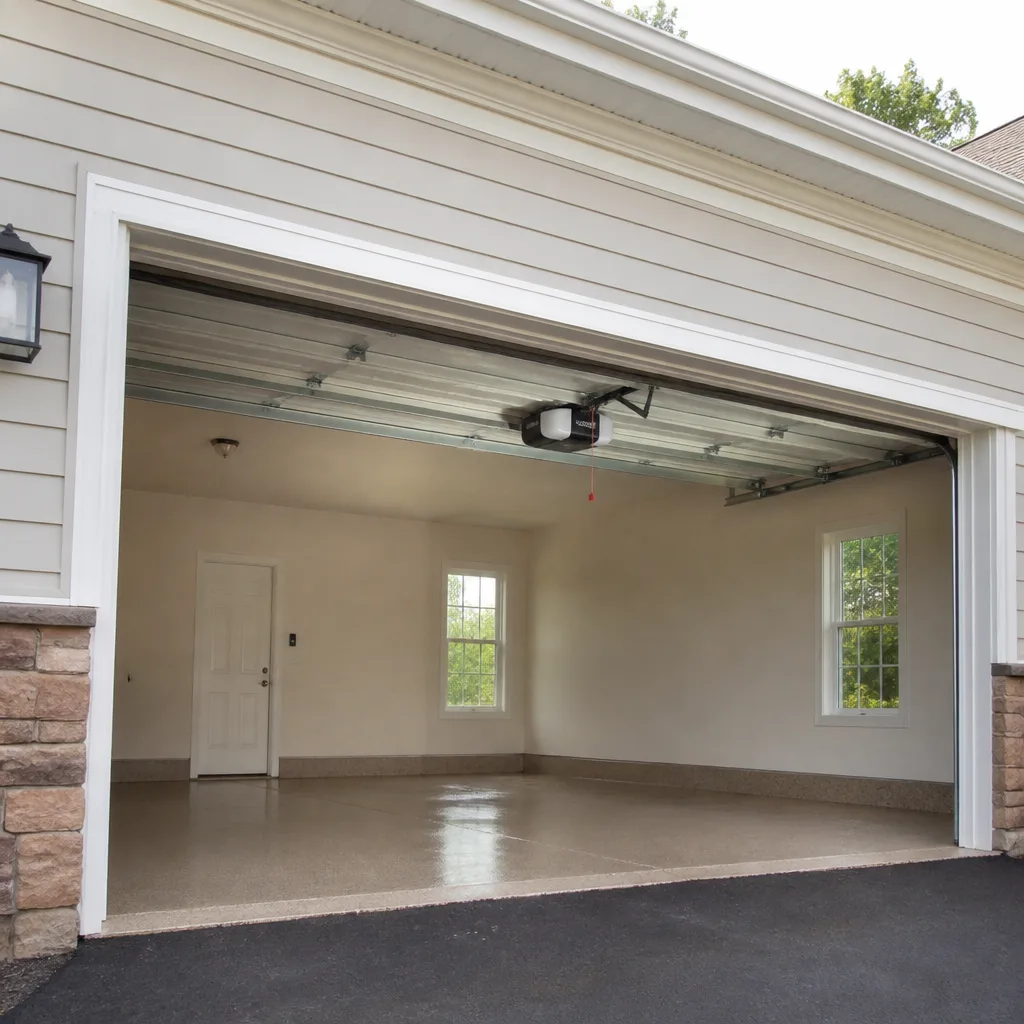 Chamberlain openers
Full 25-point door and opener safety check with every visit - springs, cables, rollers, tracks, and your LiftMaster or Chamberlain opener included
You get a price before we start. It does not change when the pro arrives.
Get your free estimateSeasonal Garage Door Care for New Brunswick: Year-Round Homeowner’s Guide
The worst time to discover your bottom weatherseal has hardened and cracked is during a February nor’easter, with wind-driven snow already blowing across the garage floor. Here’s the part most homeowners miss: that seal didn’t fail in the storm. It failed in October, quietly, while the weather was still mild and nothing on the door felt urgent. New Brunswick doesn’t hand a garage door one single challenge across the year. It hands it four different ones, and each arrives on a schedule you can plan around. This guide sequences the work to the season before the damage lands: what to check in fall, how to read winter failures without making them worse, what the spring audit catches, and where summer quietly wears a door down.
Quick Answer
Seasonal garage door care in New Brunswick means four checkpoints a year: a fall pre-winter protocol (seals, low-temperature lubricant, opener sensitivity), winter failure management (frozen tracks, ice-lifted seals, cold-slowed openers), a spring post-winter audit (corrosion, cable stretch, paint adhesion), and summer attention to UV and humidity. The homeowners who get the longest life from a door act in September and March, not December and July. Springs, cables, and opener adjustments are jobs for a trained technician.
Styles & brands we work with
- Raised-panel steel
- Carriage house
- Modern flush
- Full-view glass
- LiftMaster openers
- Chamberlain openers
Table of Contents
- Fall Protocol: What to Do Before the First Freeze
- Winter Failure Modes in New Brunswick and How to Respond
- Spring Post-Winter Audit: Catching Damage Before It Escalates
- Summer Care: UV, Humidity, and Attached-Garage Ventilation
- One-Page Seasonal Task Calendar
- Common Mistakes to Avoid
- When to Call a Professional
- Frequently Asked Questions
Fall Protocol: What to Do Before the First Freeze
Fall is the season that decides how your door behaves in January. The tasks below are the ones we see homeowners skip, and they’re the ones that matter most around New Brunswick, where a wet autumn turns into a hard freeze and anything soft, loose, or under-lubricated takes the hit first.
The centerpiece of the fall protocol is the bottom weatherseal. That rubber strip along the floor does two jobs: it keeps water and cold air out, and it cushions the door’s contact with the slab. When it hardens and cracks, it stops sealing and starts letting meltwater wick under the door. Run a hand along its full length and look for flat spots, splits, or a gap where the door meets the floor. A seal that’s stiff and cracking in October will be useless by February.
- Inspect the bottom seal for hardening, splits, and gaps along the full width of the door.
- Swap to a low-temperature lubricant on rollers, hinges, and the torsion or extension spring coils. Standard household oil thickens in cold and drags on the door’s movement.
- Test the opener’s sensitivity while the weather is still mild. Cold changes spring tension, and an opener that’s barely closing the door in October will strain in January. The safety reverse should stop and reverse the door on contact with an object.
- Clear the tracks of leaves, grit, and any debris blown in during fall storms.
- Check the door’s balance by disconnecting the opener and lifting the door halfway by hand. It should hold there. A door that drops is telling you the spring tension has drifted.
This is also the season to look at paint and finish on steel and wood doors. Water that gets behind a chipped edge and then freezes will pry the finish loose over the winter. A quick touch-up in September costs far less than refinishing a panel in April. If any part of the fall checklist turns up a spring or cable problem, stop and treat it as an expert job. Those components are under heavy tension and can cause serious injury, so they belong with a trained technician. Our garage door spring repair covers exactly that work.
Winter Failure Modes in New Brunswick and How to Respond
New Brunswick winters test a garage door in specific, predictable ways. Knowing which failure you’re looking at, and which ones to leave alone, keeps a small problem from turning into a bent door or a stripped opener gear. The three we see most are frozen tracks, ice-lifted bottom seals, and opener thermal lag.
Frozen tracks
Water gets into the track channel, freezes, and grabs the rollers. The symptom is a door that grinds, hesitates, or stops partway. Don’t force it with repeated opener cycles; that’s how rollers jump the track and panels get bent. Clear visible ice from the track with warm water or a heat source used carefully, and never chip it out with a metal tool. If the door still won’t travel freely, something beyond ice is going on.
Ice-lifted bottom seals
When meltwater refreezes under the door, it can lift the bottom seal or freeze the door to the slab. If the door won’t budge on the first cycle, stop the opener. Pulling against a frozen seal can damage the bottom section or strain the opener’s drive. Break the bond gently and clear the ice before cycling the door again.
Opener thermal lag
Cold thickens lubricant and stiffens the door’s movement, so the opener works harder. A LiftMaster or Craftsman unit that was smooth in October may sound labored in January. That’s usually a symptom of the door’s resistance rising, not the opener failing. If the opener strains or reverses on its own, treat it as a sign to have the door and the opener checked together.
Winter is also when a door failure feels most urgent, because a stuck-open door in freezing weather leaves the garage and everything attached to it exposed. When the door won’t move, we move fast. Call (866) 937-8856. We answer 24/7. Fast dispatch from 7am to 7pm, Sunday through Friday.
Spring Post-Winter Audit: Catching Damage Before It Escalates
By the time the last freeze is behind New Brunswick, the door has been through months of expansion, contraction, ice, and road grit. Spring is when you go looking for what winter left behind, before it turns into a repair you can’t postpone. Three categories matter most: corrosion, cable condition, and paint adhesion.
Corrosion
Look at the hinges, rollers, and track joints, especially on the lower half of the door where splash and road spray collect. Light surface rust is normal on steel hardware and worth treating early. Rust that’s eating into a hinge pin or roller bearing means the part is dragging and needs replacement.
Stretched cables
Cables on a torsion system run under high tension. Fraying, kinks, or a cable that looks slack are serious. Don’t touch them, and don’t run the door until a technician has looked. A cable that fails under load can cause a sudden, dangerous drop. This is the single most important spring check, and it’s one to leave to a professional.
Paint adhesion loss
Freeze-thaw cycles lift paint at panel edges and around fasteners. Run a hand along the panel seams and check for bubbling or flaking. Left alone, water gets behind the finish and accelerates rust on the panel itself, which is a much bigger job than a touch-up.
- Walk the full door and mark rust, flaking, and loose fasteners.
- Inspect cables and springs visually only. Do not adjust or remove them.
- Test the safety reverse and the door’s balance again now that temperatures have warmed.
- Clean and re-lubricate hardware with the appropriate lubricant for the coming warm months.
- Schedule repair for anything that turned up rather than waiting for the next failure.
If the audit turns up cable or spring issues, our garage door repair team handles the unsafe parts of the job so you don’t have to. A spring that’s drifted over the winter is one of the most common things we find in March.
Summer Care: UV, Humidity, and Attached-Garage Ventilation
Summer is the quiet season for garage doors, which is exactly why it’s the one homeowners ignore. But warm months do their own damage, just more slowly. UV breaks down finishes and composite panels, humidity works on wood doors, and an attached garage that doubles as a living-adjacent space traps heat and moisture that wear on both the door and the opener.
UV degradation
Sun-facing doors take direct UV for hours a day. On steel and composite panels, that shows up as fading, chalking, and a dull surface that eventually loses its protective coating. On wood doors, it dries and checks the surface. A coat of finish before summer, and a check mid-season, keeps the surface intact. Doors facing south or west in New Brunswick get the most exposure and need the most attention.
Humidity and wood doors
Summer humidity swells wood panels, which can bind in the tracks or crack the finish at joints. Watch for sticking, rubbing, or a door that’s harder to close in July than it was in May. That’s moisture, not a mechanical fault, and it’s worth correcting the finish and checking the fit before fall.
Ventilation for attached garages
An attached garage used as a workshop, gym, or overflow living space holds heat and moisture against the door’s interior. That interior side gets the same humidity the house does, and condensation on a cool door surface is a common summer issue. Keep the space ventilated, and check the interior panels for moisture streaks or rust starting from the inside. Door hardware on the interior side is where corrosion often begins.
Summer is also the right time to think about a full replacement if the door is showing its age across panels. Replacement is measured, ordered, and scheduled, so starting the conversation in the warm months gives you a written price and a plan well before winter. We handle full installation alongside repair, so you’re not sourcing a second contractor. If your opener is the weak link, our garage door opener repair covers LiftMaster, Chamberlain, Genie, and other units.
One-Page Seasonal Task Calendar
Print this and stick it inside the garage door or on the wall by the opener. It’s the whole guide in one column, organized by season so you act before the weather turns rather than after something fails. Each entry is a check, not a repair; the repairs belong with a trained technician.
- September (Fall)
- Inspect the bottom weatherseal for hardening, cracks, and gaps.
- Switch to low-temperature lubricant on rollers, hinges, and spring coils.
- Test opener sensitivity and safety reverse while weather is mild.
- Clear tracks of summer debris and grit.
- Check door balance with the opener disconnected.
- Touch up paint at panel edges and around fasteners.
- December (Early Winter)
- Confirm the seal still meets the floor as temperatures drop.
- Clear ice and snow from the track channel and the door’s base.
- Listen for opener strain or hesitation and note it.
- March (Spring)
- Look for corrosion on hinges, rollers, and track joints, especially lower panels.
- Check cables visually for fraying, kinks, or slack. Do not adjust them.
- Look for paint bubbling or flaking at seams and fasteners.
- Re-test safety reverse and door balance.
- Re-lubricate hardware for warm weather.
- June (Summer)
- Check finish on sun-facing panels for fading or chalking.
- Watch wood doors for swelling and sticking in humidity.
- Ventilate the attached garage and check interior panels for moisture streaks.
- Inspect the interior hardware for rust starting from inside.
Two entries on this calendar are inspections you should never turn into repairs yourself: springs and cables. Both sit under heavy tension, and a mistake with either can cause serious injury. Leave those two to a technician and do everything else on the list yourself if you’re comfortable.
Common Mistakes to Avoid
- Waiting until the seal fails to check it. The bottom weatherseal hardens in fall, not winter, so a February inspection is already late. Check it in September, when a replacement is quick and the weather cooperates.
- Using household oil in cold weather. Standard lubricant thickens as temperatures drop, and a thick lubricant drags on the door’s movement. Switch to a low-temperature grease before the first freeze.
- Forcing a frozen door with repeated opener cycles. Cycling the opener against ice-locked tracks or a frozen bottom seal is how rollers jump the track and panels bend. Stop, clear the ice, then try once more.
- Adjusting springs or cables yourself. These are the most dangerous parts of the system, and a small mistake can cause a sudden failure. New Brunswick homeowners should stop at inspection and call for anything involving tension.
- Ignoring the safety reverse. An opener whose safety reverse is out of adjustment is a real hazard, and cold weather makes the drift worse. Test it in fall and spring both.
- Skipping the spring audit because winter ended cleanly. Cables stretch and corrode quietly through the cold months. The problems don’t always show up until the door is asked to work hard again, so look for them in March.
- Treating summer as a no-maintenance season. UV and humidity wear a door down slowly, and a faded, chalking finish in July becomes a repaint or a panel replacement by next summer.
When to Call a Professional
Some seasonal tasks are safe to do yourself: checking the seal, wiping down tracks, touching up paint, re-lubricating hinges and rollers, and testing the safety reverse. The moment the job involves springs, cables, or a door that’s come off its track, it’s time to stop. Those components carry serious tension, and working on them without training can cause real injury. Call a professional if the door won’t balance, if you hear a sharp bang from the spring area, if a cable looks frayed or slack, if the door is crooked in the opening, or if the opener strains or reverses on its own.
New Brunswick Garage Door Repair Pros offers free estimates in New Brunswick – call (866) 937-8856. We answer 24/7. Fast dispatch from 7am to 7pm, Sunday through Friday. Our technicians have up to 12 years of experience, and we work on the brand already on your garage, including Wayne Dalton, LiftMaster, and Raynor systems. Spring repair is our specialty, not an afterthought. When the door won’t move, we move fast, and one call covers repair, opener work, springs, and full installation. You can read more about who we are at New Brunswick Garage Door Repair Pros.
Frequently Asked Questions
The two best checkpoints are September, before the first freeze, and March, after the last one. Fall prep is about protecting seals and hardware from cold, and the spring audit is about catching corrosion and cable issues that built up over winter. Summer checks for UV and humidity round out the year.
Spring repair is priced per job by a written estimate, and a matched pair is usually replaced together, so the pair costs more than a single spring. Because the price depends on the door and the spring setup, the written estimate sets the final price, and it’s agreed before any work starts. Call (866) 937-8856 for an exact quote; estimates are free.
Yes, we offer same-day service for urgent failures like broken springs, off-track doors, and opener failures. Winter is when these calls spike around New Brunswick, so call early if you can. Call (866) 937-8856. We answer 24/7. Fast dispatch from 7am to 7pm, Sunday through Friday.
No. Springs and cables are under heavy tension, and cold weather makes them stiffer and more prone to sudden failure. Only a trained technician should adjust, remove, or replace them. If you suspect a spring or cable problem, stop using the door and call a professional.
No. The price is quoted and agreed before any work starts, based on the written estimate. If the job turns out to be different from what the estimate assumed, we tell you before doing anything else, not after. Call (866) 937-8856 to get a free estimate.
We’re certified to service eight of the industry’s most widely installed brands: LiftMaster, Chamberlain, Genie, Clopay, Amarr, Wayne Dalton, Craftsman, and Raynor. That means we work on the brand already on your garage, not a generic substitute. Call (866) 937-8856 to confirm your system.
The Bottom Line
New Brunswick doesn’t give a garage door one long season of wear. It hands it four distinct ones, each with its own failure modes, and the homeowners who get the longest life from a door are the ones who act in September and March rather than waiting for something to break in January. Check the bottom seal before the freeze, switch to low-temperature lubricant, and test the opener while the weather is mild. Come spring, look for corrosion, cable damage, and paint loss. In summer, watch UV and humidity. Know that springs and cables belong with a technician. That’s the whole system: sequence the work to the season before the damage arrives, and the door lasts longer.
Written by the team at New Brunswick Garage Door Repair Pros.
See the difference
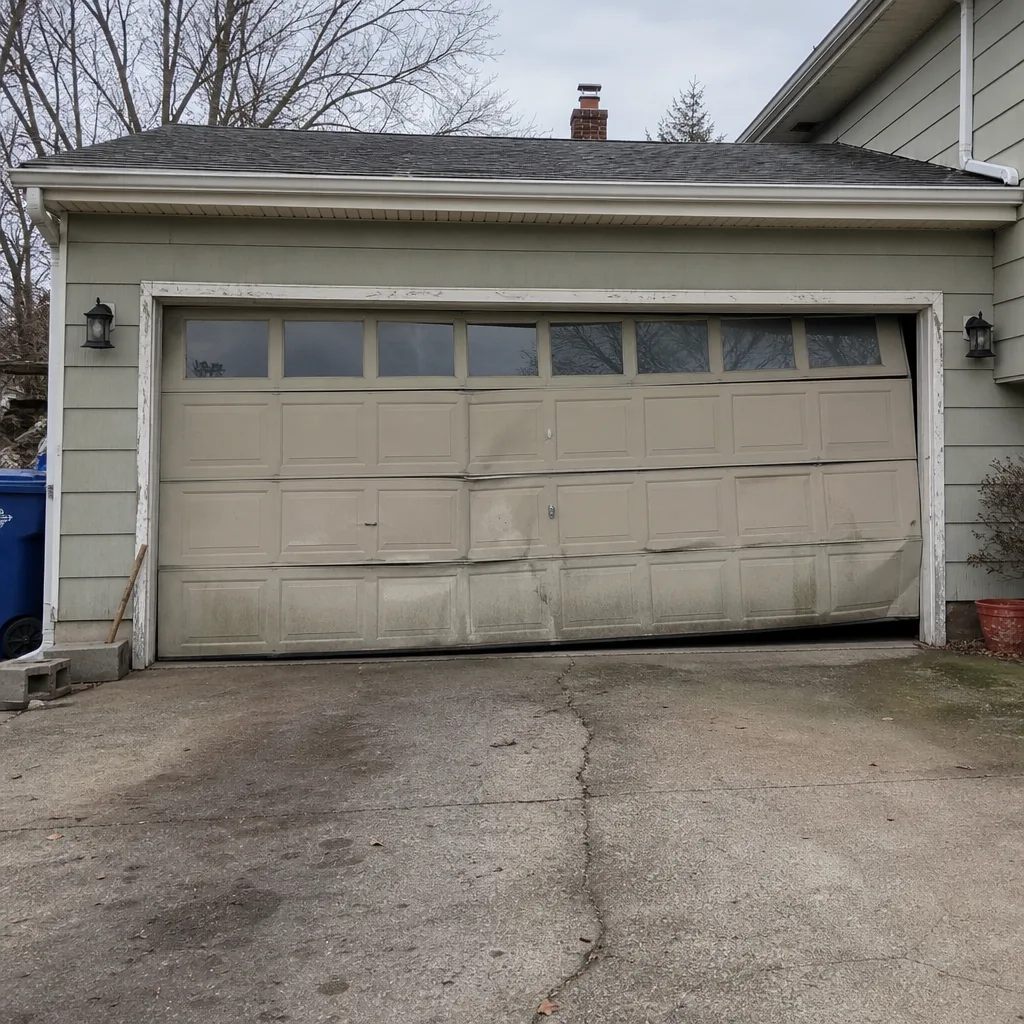 Before
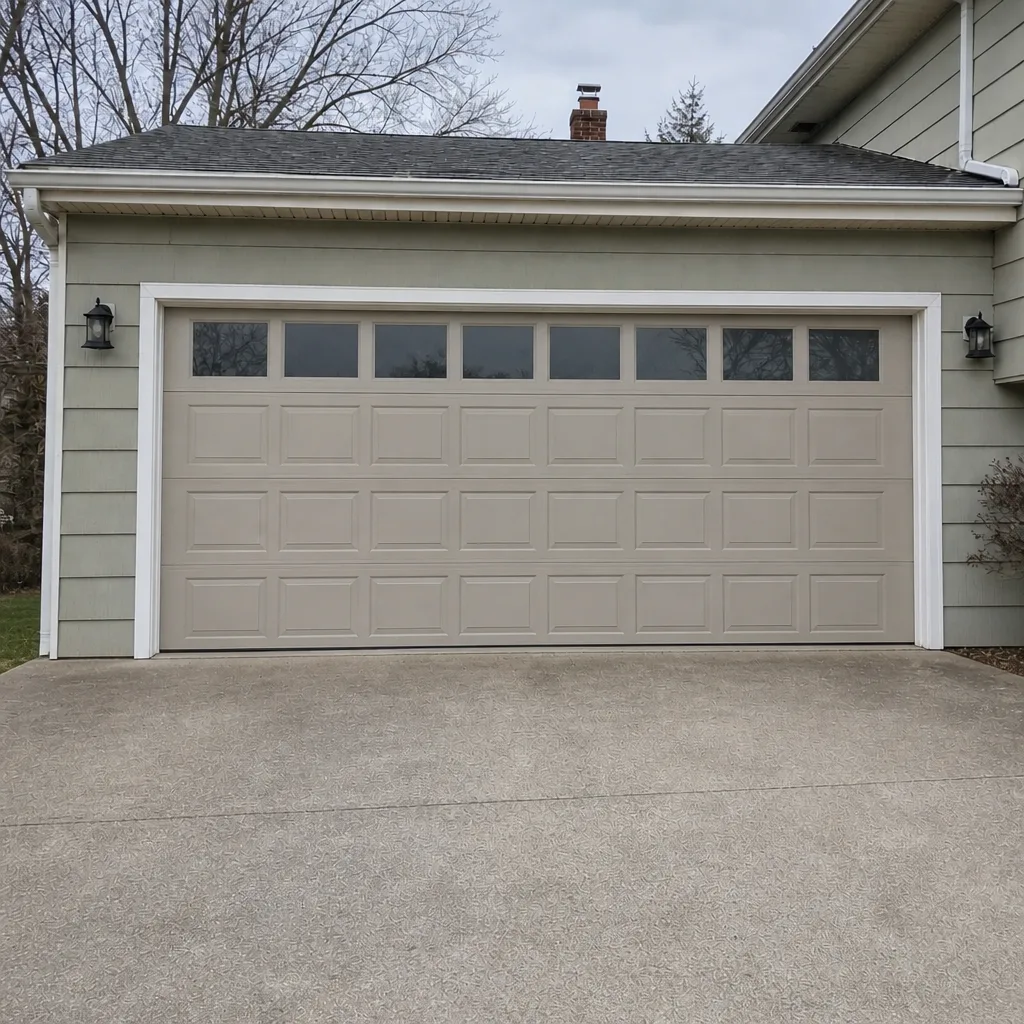 After
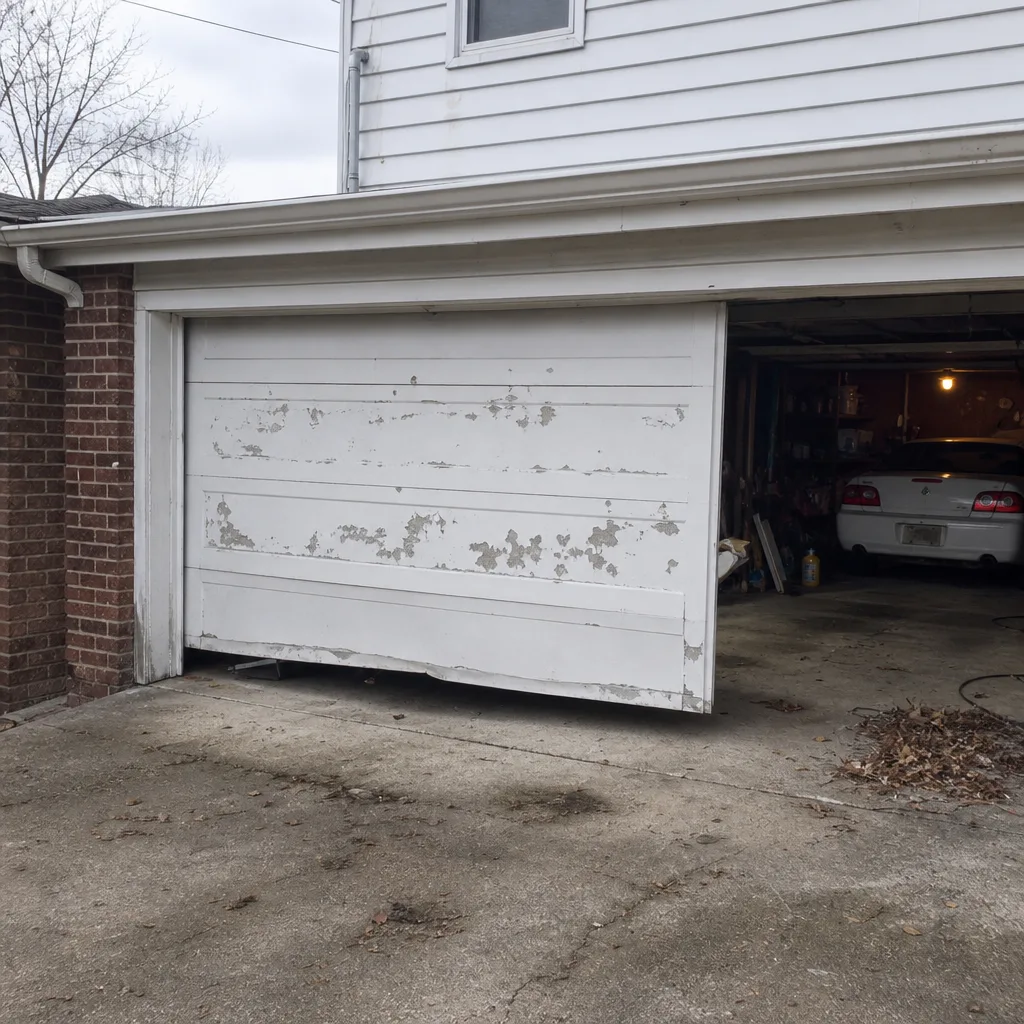 Before
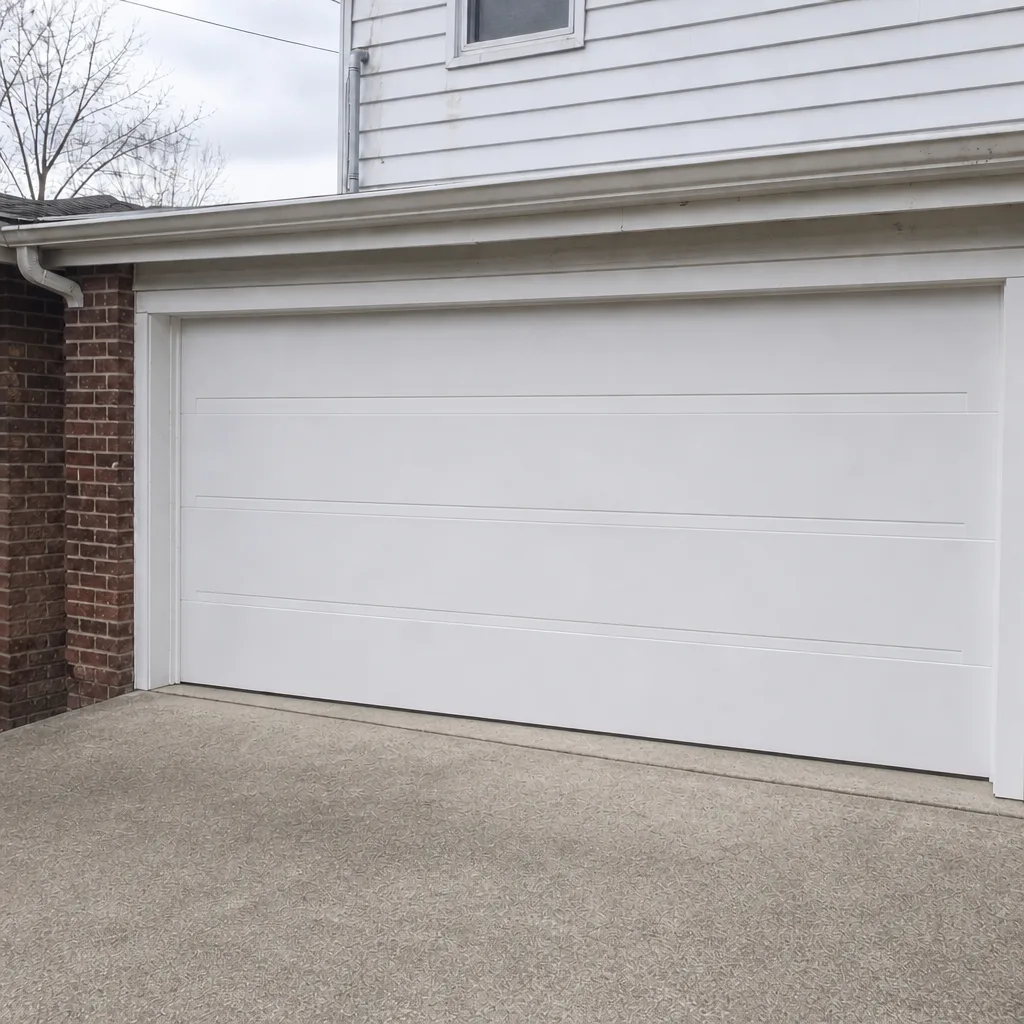 After
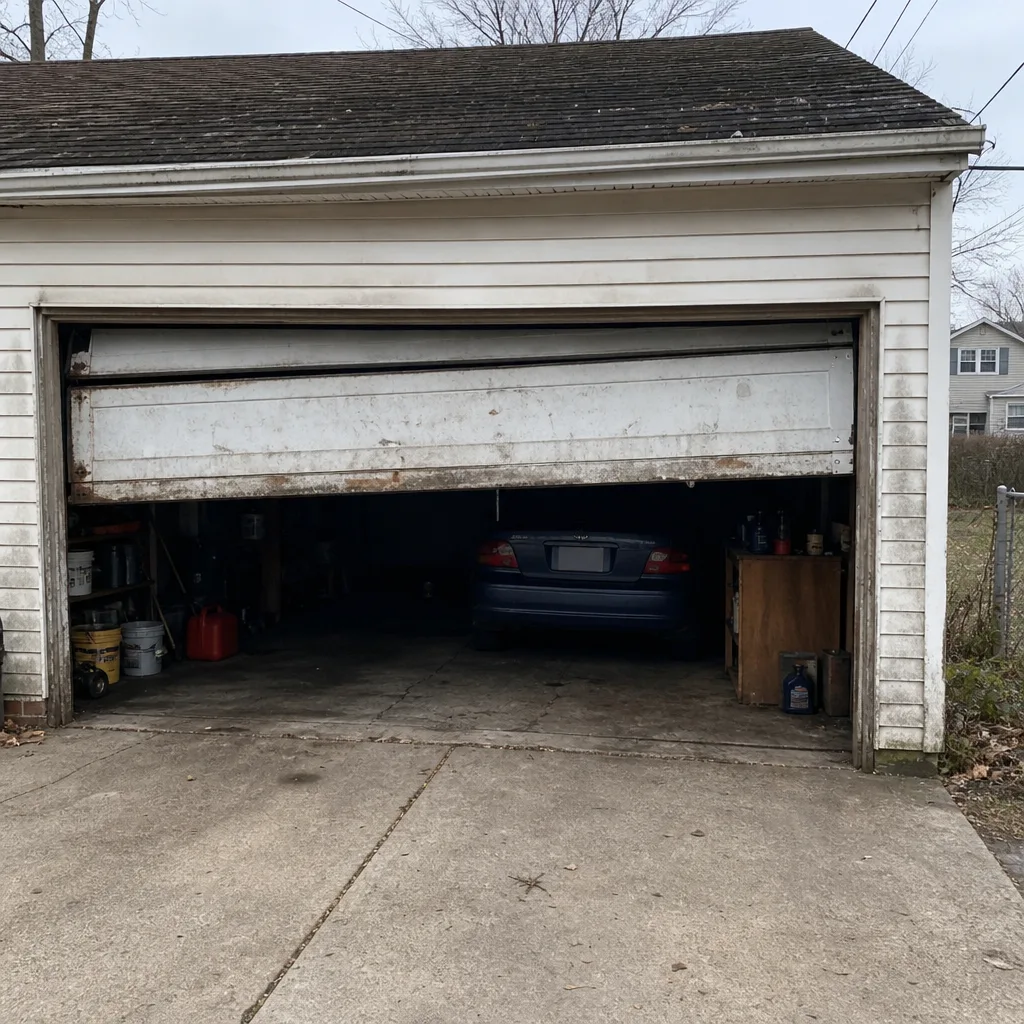 Before
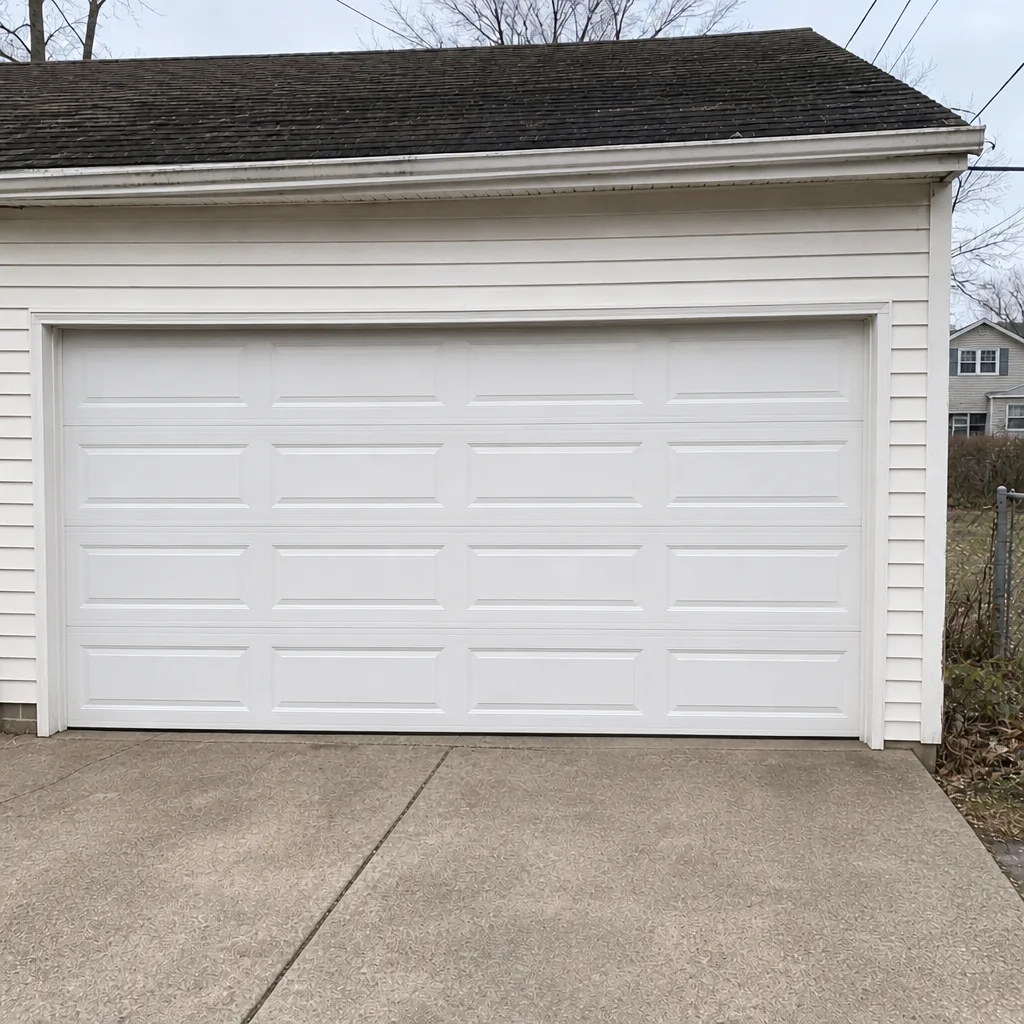 After