
Last updated November 23, 2026
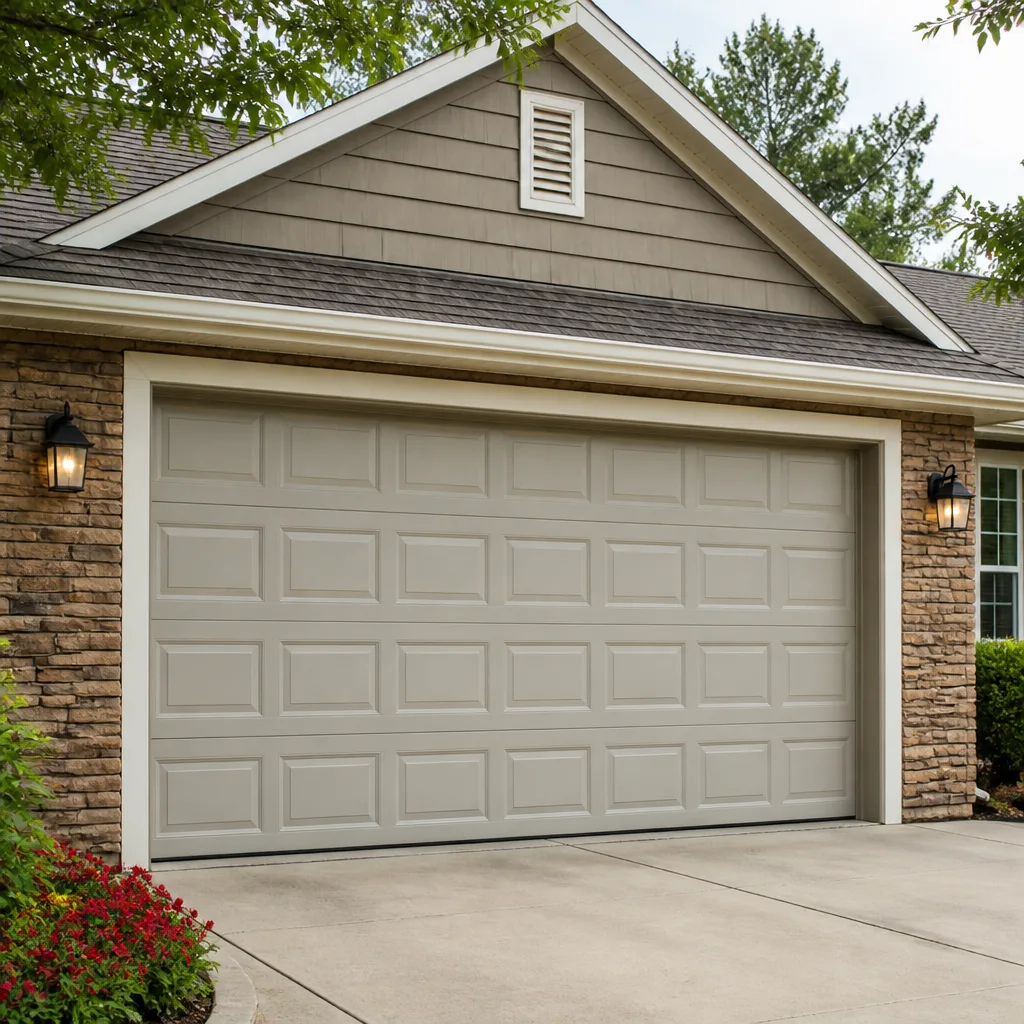 Raised-panel steel
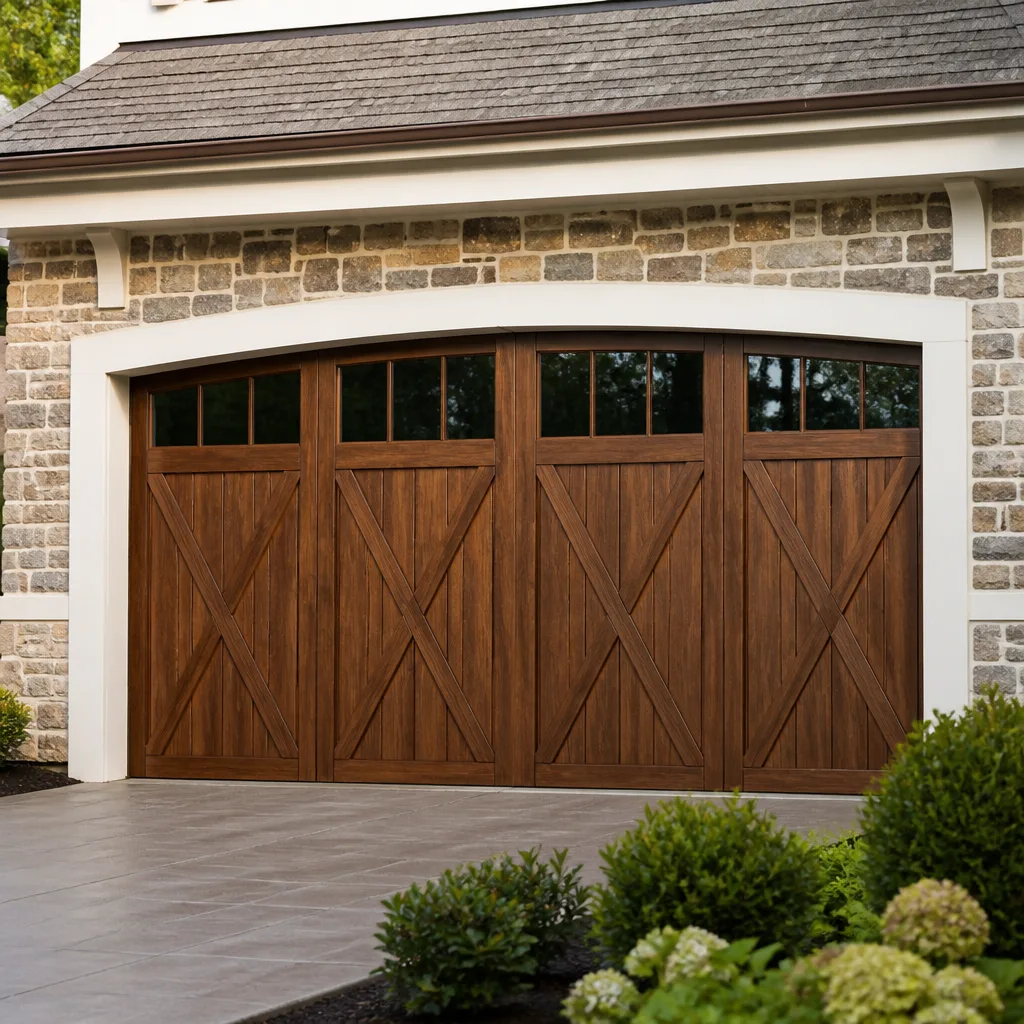 Carriage house
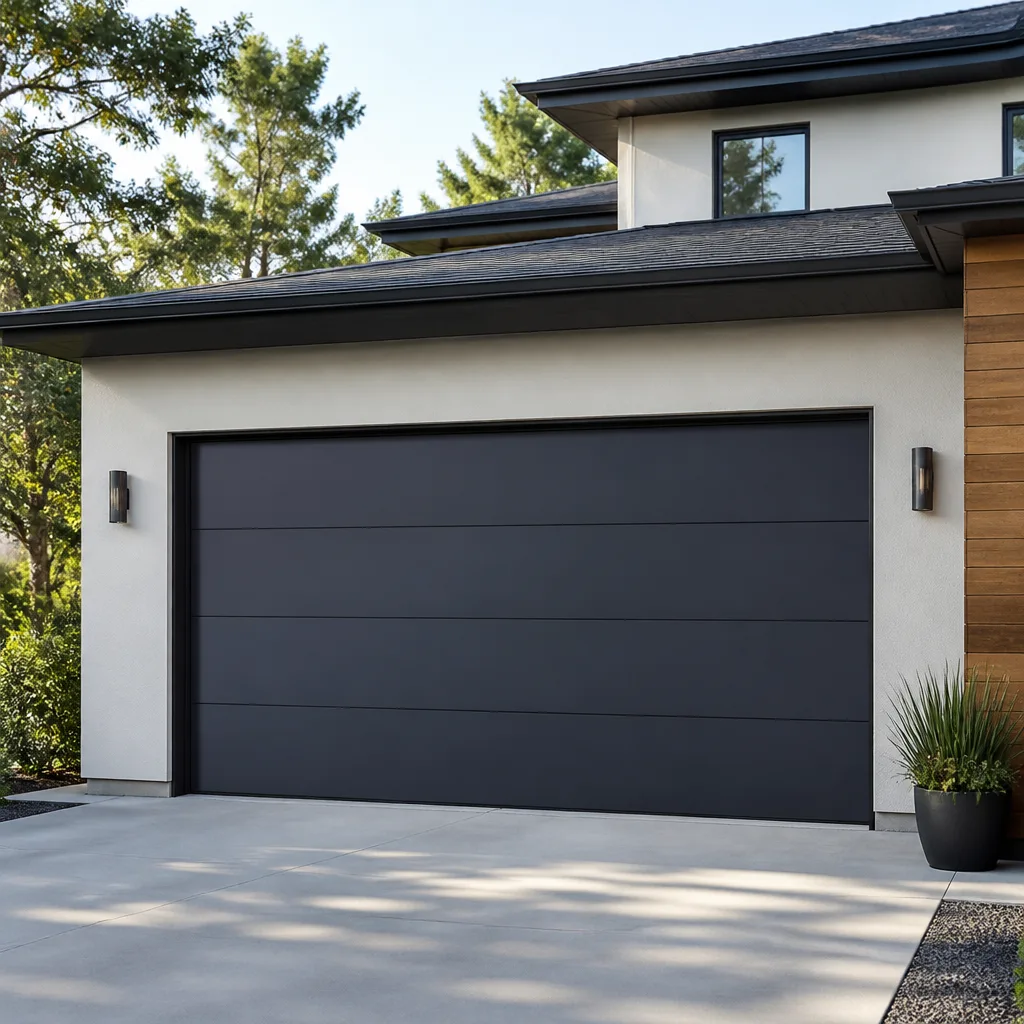 Modern flush
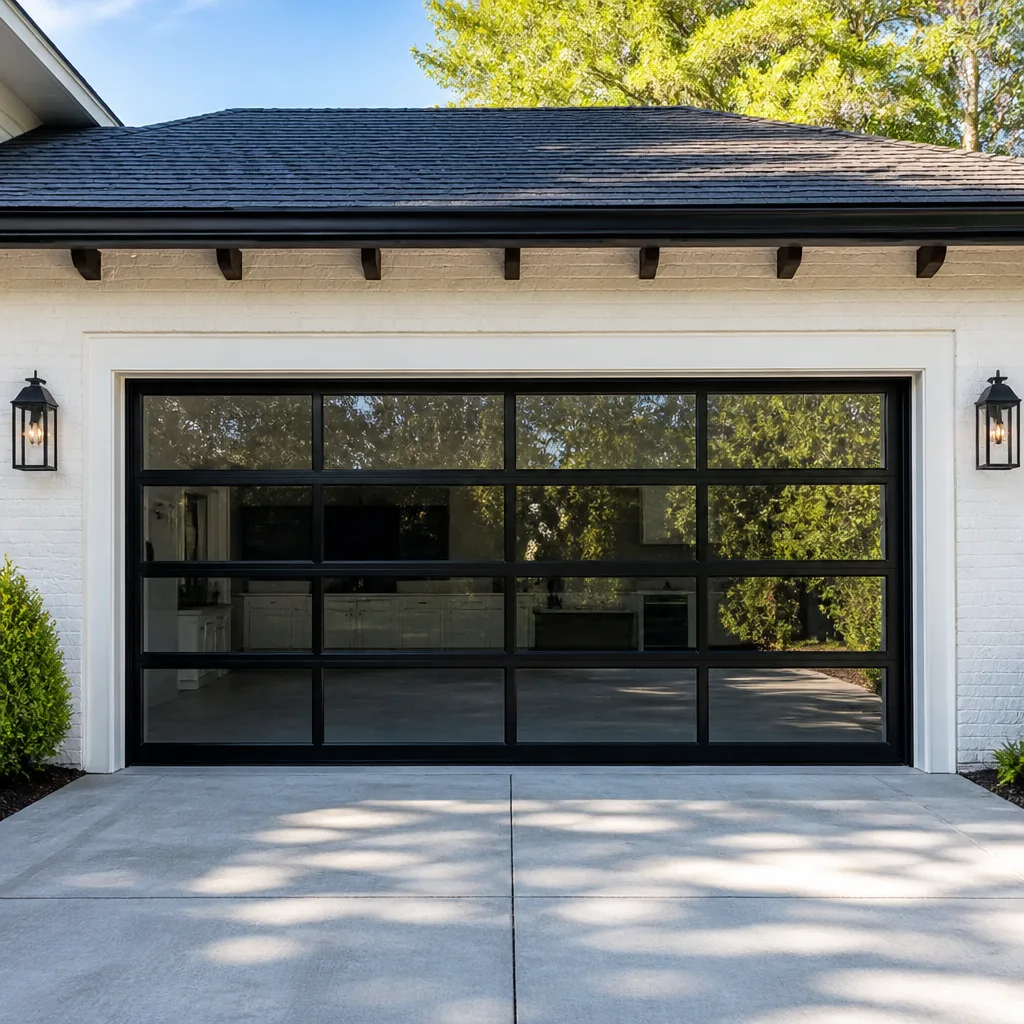 Full-view glass
 LiftMaster openers
 Chamberlain openers
Full 25-point door and opener safety check with every visit - springs, cables, rollers, tracks, and your LiftMaster or Chamberlain opener included
You get a price before we start. It does not change when the pro arrives.
Get your free estimateGarage Door Permits, Codes & Inspections in New Brunswick, NJ: What You Need to Know
Here’s the part most homeowners get backwards: a garage door repair almost never needs a permit, but a full replacement usually does. People assume the opposite. They figure a whole new door is a big-ticket job that must be regulated, and a spring swap is the risky one that must be too. In practice, New Jersey’s construction rules treat a repair that keeps the existing opening and door size as routine maintenance, while swapping the door assembly can pull the work into permit territory. That gap is where closings get delayed and insurance questions surface months later. This guide explains when you need a permit in New Brunswick, what an inspection actually looks at, and how to stay compliant without over-engineering a simple project.
Quick Answer
In New Brunswick, replacing a garage door (a new door assembly, a changed opening, or altered structural framing) generally requires a permit through the City of New Brunswick Construction Office under the New Jersey Uniform Construction Code, while like-for-like repairs such as replacing springs, cables, rollers, or an opener typically do not. A new door installation is reviewed for wind load and related building-code requirements, and the work is inspected after it’s installed. When in doubt, call the Construction Office and describe the exact scope before anyone swings a hammer.
Styles & brands we work with
- Raised-panel steel
- Carriage house
- Modern flush
- Full-view glass
- LiftMaster openers
- Chamberlain openers
Table of Contents
- Repair vs. replacement: where the permit line falls
- What New Jersey’s Uniform Construction Code requires
- How the City of New Brunswick processes a garage door permit
- Wind-load and R-value requirements for new doors in Middlesex County
- What happens when garage door work goes unpermitted
- Who pulls the permit: contractor or homeowner?
- What an inspection actually checks
- Estimated costs and timelines in New Brunswick
Repair vs. Replacement: Where the Permit Line Falls
The single most useful distinction in this whole guide is between maintaining what’s there and changing what’s there. New Jersey’s Uniform Construction Code draws the line around whether the work alters the structure, the opening, or the door assembly itself. Replace the same door with a new door of the same size in the same opening, and you’ve crossed into work that’s generally treated as a replacement. Swap a snapped torsion spring or a burned-out opener and you’re doing maintenance.
Here’s how it usually shakes out for a New Brunswick homeowner:
- Usually no permit: Replacing a broken spring, cable, roller, hinge, or bottom bracket. Swapping out an opener motor of the same type. Replacing weatherstripping or a bottom seal.
- Usually needs a permit: Installing a brand-new door assembly. Changing the size of the opening. Replacing or altering the header, jambs, or structural framing that holds the door. Adding a garage door where there wasn’t one. Converting a garage opening to a different configuration.
- Ask the Construction Office: Upgrading to a heavier or differently rated door in the same opening. Adding a high-lift or low-headroom track configuration that changes the hardware layout. Replacing a door after storm damage where the framing may also be affected.
Why does this matter so much in New Brunswick? Because so many homes here are older, with garages that have been modified over the decades. A door that looks like a straight swap on a 1950s house near the College Avenue area may turn out to involve framing that’s been patched, and once framing is touched the permit question answers itself. Repair keeps you in maintenance territory. Replacement, structural change, and new openings are where you want a permit in hand. If you’re only dealing with a failed part, garage door repair is usually the simpler and faster path, with no permit involved.
The safe rule: don’t call the city for a spring, and don’t skip the call for a whole new door. If the scope is fuzzy, describe it plainly to the Construction Office and take their answer as the starting point.
What New Jersey’s Uniform Construction Code Requires
New Jersey regulates construction through the Uniform Construction Code (UCC), and garage door work falls under it when the work involves a replacement or structural change. The UCC is administered locally, which is why your specific answers come from the City of New Brunswick Construction Office rather than a state office. The code doesn’t ban anything unusual about garage doors; it treats a new door as a change to the building’s envelope and structure that needs review and inspection.
On the product side, doors are manufactured and labeled to standards, and a new door generally needs to meet the codes in effect when it’s installed. So a Clopay or Amarr door going onto a New Brunswick garage needs to be suited to the opening, the wind exposure of that particular house, and the rest of the building’s requirements. That’s part of what the permit process catches.
A new door installation is treated as building work. The inspection that follows looks at the installation the way an inspector looks at any structural and weather-tightness item: the door, the hardware, the anchoring, and the safety devices. It isn’t a nudge with a clipboard. It’s a genuine check that the door is hung correctly and safe to operate.
One important detail: requirements update over time, and what applied when your neighbor replaced a door a few years back may not be the same set of rules today. That’s not a reason to avoid the permit; it’s a reason to confirm the current requirements before the work begins. Ask the Construction Office directly. They’d rather answer a few questions now than process a corrective inspection later.
For homeowners, the practical takeaway is this: the UCC framework is the reason a new door is treated differently from a repair. Lean on it rather than around it.
How the City of New Brunswick Processes a Garage Door Permit
The permit process itself is more straightforward than people fear. New Brunswick runs its own Construction Office, which handles building permits for residential work like a garage door replacement. The steps below are the general sequence; exact forms and turnaround vary, so confirm with the office before you file.
- Describe the scope to the Construction Office. Tell them the address, the door being removed, the door going in, whether the opening or framing changes, and whether it’s a repair or replacement. This first conversation clears up whether a permit is even required.
- Submit the permit application. The application covers the building work, and in some cases may involve more than one trade if electrical for the opener motor is being altered at the same time. The office will tell you which subcodes apply.
- Provide product information. Expect the office to want door specifications, including the manufacturer and model. A Clopay or Amarr door, for example, comes with product data the office can review.
- Pay the permit fee and receive the permit. Fees are set by the office and are based on the scope of the work. The permit itself has to be posted at the job before the door goes in.
- Do the install. Work begins once the permit is issued and on site. For a replacement, this is a scheduled install – not a same-day emergency call. Measure, order, and install are distinct steps.
- Request the inspection. When the door is installed and operating, the inspection is called in. The inspector reviews the installation and either signs off or notes items to correct.
- Get the sign-off. Once the work passes, the permit is closed out. Keep the record. It matters later for a sale, a refinance, or an insurance claim.
The biggest variable is time. Turnaround depends on how busy the office is, how complete your paperwork is, and whether the door is in stock or needs to be ordered. A door that has to be ordered adds lead time before any installation happens, and the permit generally needs to be in place when work begins, not when it’s ordered. Line those two up sensibly and the process moves. Getting the order and the permit out of sequence is where projects stall.
If you’re planning a whole new door rather than a repair, our garage door repair page also points to installation work, and we’re happy to walk a New Brunswick homeowner through what the Construction Office will ask for. Call (866) 937-8856 for a free estimate and a straight answer on scope. We answer 24/7. Fast dispatch from 7am to 7pm, Sunday through Friday.
Wind-Load and R-Value Requirements for New Doors in Middlesex County
Two technical requirements come up on nearly every new garage door install in Middlesex County, and both are the kind of thing the permit process exists to verify: wind load and R-value. Neither is usually a homeowner’s first thought, and both affect which door is right for your house.
Wind load is about how the door and the opening handle wind pressure. A garage door is a big flat surface on an exterior wall, and it needs to be rated for the wind exposure at its location. The specific requirements depend on the building code in effect and the exposure of the individual house. Your door selection should reflect that, which is why a door spec sheet with the manufacturer’s wind rating matters at permit time. A Genie or Chamberlain opener doesn’t affect wind load, but the door itself does, and it’s worth confirming the product matches what the code calls for.
R-value is about insulation. New Jersey’s energy code has requirements around the building envelope, and an insulated garage door is often part of meeting them, especially where the garage shares a wall with living space. An insulated door from Amarr or Clopay is one way to satisfy that. The R-value that applies depends on the code in effect and how the garage is built; the Construction Office can confirm what your project needs. It’s not something to guess at.
How should a homeowner frame both of these? Don’t over-engineer. A garage that’s detached and unconditioned has different considerations than an insulated garage under a bedroom. The permit requirement is about meeting the code for your specific building, not about buying the most heavily rated door on the market. If a door meets the code with room to spare, that’s fine; if it falls short, the inspection will flag it.
For most New Brunswick replacements, the answer is a standard insulated door in the correct wind rating for the house. The right product installed to spec and signed off is the goal. Keep the documents from the manufacturer, because the inspector may want to see them.
What Happens When Garage Door Work Goes Unpermitted
Unpermitted garage door work tends to sit quietly for years and then surface at the worst possible moment. The scenario that catches people: the work looks fine, the door works, and nobody thinks about it until a refinance appraisal or a home inspection flags the missing permit. That’s when the retroactive inspection has to happen, and it can delay a closing while the paperwork is sorted out.
Here’s how it typically unfolds:
- During a home sale: A buyer’s inspector or title search can surface unpermitted work. Depending on the municipality’s records and how the door was replaced, the sale can be held up while a permit is filed retroactively and an inspection is completed. The door isn’t the problem; the paperwork is.
- During a refinance: An appraisal or a lender’s review can flag work that shows up in municipal records as unpermitted. That can push the closing back while the work is documented or corrected.
- During an insurance claim: If the garage door is damaged in a storm and a claim follows, an insurer can ask whether the door was permitted and installed to code. Unpermitted work doesn’t automatically void a claim, but it can complicate the process and lead to questions about the installation.
- During a corrective inspection: If the city discovers the work was done without a permit, the process for making it compliant can involve more than simply filing a permit after the fact. It may involve opening things up or correcting items a permit-built install would have avoided.
The cost of skipping the permit isn’t a fine in most cases. It’s the delay, the retroactive inspection, and the stress at a moment when you wanted things to move fast. The permit is cheap insurance against all three.
For a New Brunswick homeowner, this is a strong reason to have the permit conversation before the door is ordered. If you’ve inherited a house with a garage door you’re not sure was permitted, the Construction Office is the place to start. A quick records check tells you where you stand.
Who Pulls the Permit: Contractor or Homeowner?
In New Jersey, the permit is typically pulled by the contractor doing the work, though a homeowner is generally allowed to pull a permit for work on their own home. When you hire a professional installer, the installer’s permit is the norm, and the homeowner shouldn’t be the one chasing the paperwork. The key is to know who’s responsible before anyone starts.
Here’s how to set that up cleanly:
- Ask, in writing, who pulls the permit. Get it confirmed in the estimate or contract before the work is scheduled. “The permit is handled” means nothing unless you know by whom.
- Confirm the permit is issued before the install begins. A permit that shows up mid-install is a problem. The permit should be posted at the job before the door goes in.
- Verify the permit number, if the scope requires one. A legitimate permit is a record you can look up. Don’t be talked out of seeing it.
- Know that the inspection has to happen after the install. Someone needs to schedule it. That’s usually the permit holder, but the homeowner has a stake in seeing it through.
- Keep the sign-off. Save the final inspection record with your home’s documents.
What if you suspect a contractor skipped the permit without telling you? The best move is to contact the City of New Brunswick Construction Office directly, explain the scope of the work that was done, and ask what the path to compliance looks like. That’s a conversation, not a confrontation; the office deals with this situation more often than you’d think, and they’ll tell you what needs to happen next. The earlier you catch it, the simpler it is.
Our approach on any install in New Brunswick is to be clear up front about the permit, because a clean install with the paperwork in order protects the homeowner more than any shortcut ever could. Call (866) 937-8856 for a free estimate; we’ll tell you what the scope needs, including the permit.
What an Inspection Actually Checks
If you’ve never had a garage door inspected, the word can conjure images of a stranger crawling around your garage with a flashlight. In reality, the inspection that follows a permitted garage door replacement is focused and short. It’s a check of the installation against code, and it looks at the parts that matter for safety and structural soundness.
Expect the inspector to review:
- The door in the opening. The door should fit the opening as specified, hang true, and close properly against the weather seal.
- Anchoring and hardware. Track brackets, hinges, and the connection of the track to the framing are checked. The anchoring has to be sound.
- Safety features. The door should have the required safety devices in place and functioning. For an opener with a photo-eye system, that safety system is part of the check.
- Structural changes. If the opening or framing was altered, the inspector reviews that work too. This is where a good install differs from a hurried one.
- Product conformance. The door should match the product specified in the permit. That’s where the manufacturer’s specs and any wind-load info come in.
If something’s off, the inspector notes it and it gets corrected. A missing permit means no inspection, no sign-off, and no record. A completed inspection with a sign-off is a document you can produce later if anyone asks whether the door was installed to code. Keep it with your home’s records.
Our install build makes the inspection step straightforward, because the door goes in the way the code requires it. When it comes time to schedule that inspection, we work with you to make sure it happens.
Estimated Costs and Timelines in New Brunswick
Homeowners want a number, so here’s the honest shape of it. The permit fee, the door itself, and the installation labor are separate items, and the final figure is set by a written estimate – never by a phone guess. The permit fee is set by the City of New Brunswick Construction Office based on the scope, and it’s usually a modest part of the total. The door and labor are the bigger line items.
For planning purposes, a garage door replacement in New Brunswick commonly involves:
- Permit fee: set by the City of New Brunswick Construction Office and based on the scope of work. Confirm the current amount with the office when you apply.
- Door: varies widely by size, material, insulation, and wind rating. An entry-level steel door and a fully insulated door from a brand like Clopay sit at different price points.
- Installation labor: includes removal of the old door, installation of the new door, and adjustment. The exact figure is part of the written estimate.
- Inspection: part of the permit process, not a separate line item billed by the installer.
Timelines follow a similar pattern. The permit turnaround depends on the Construction Office’s workload and the completeness of your application. The door lead time depends on whether it’s in stock or ordered; a Genie or Chamberlain opener may be readily available, but a specific door finish may not be. The install itself, once the door is on site and the permit is issued, is typically a scheduled job that takes a day, depending on scope. The inspection follows the install.
The estimate we give you is free, and the price we quote is agreed before any work starts. That’s the whole point of a written estimate. If the door can’t be installed without a permit, the estimate reflects it. Call (866) 937-8856 for an exact quote. Estimates are free.
Common Mistakes to Avoid
- Assuming a repair doesn’t need a permit and a replacement does – in general. That’s a useful starting point, but the exact scope has to match the code. A door “replacement” that turns into a framing repair needs a permit even if it started as a repair.
- Letting the contractor order the door without confirming who pulls the permit. Get the arrangement in writing. A door sitting on a job with no permit is a door that can’t be installed cleanly.
- Skipping the permit because “it’s just a garage door.” A new door touched by a structural change or a permit-required replacement is building work. Skipping the paperwork only surfaces later.
- Ignoring wind load and R-value on a new door. A door that isn’t rated for the house can fail inspection and has to be redone. Match the door to the code requirements for the building.
- Not asking for a copy of the final sign-off. The sign-off is your proof of compliance. Keep it with the home’s records; you’ll need it if you sell or refinance.
- Assuming the inspector will catch a bad install. An inspection checks the installation against code; it isn’t a substitute for hiring a professional to do the work right the first time.
- Waiting until the door is ordered to start the permit process. The permit has to be in place when installation begins. Start the paperwork as soon as the scope is clear.
See the difference
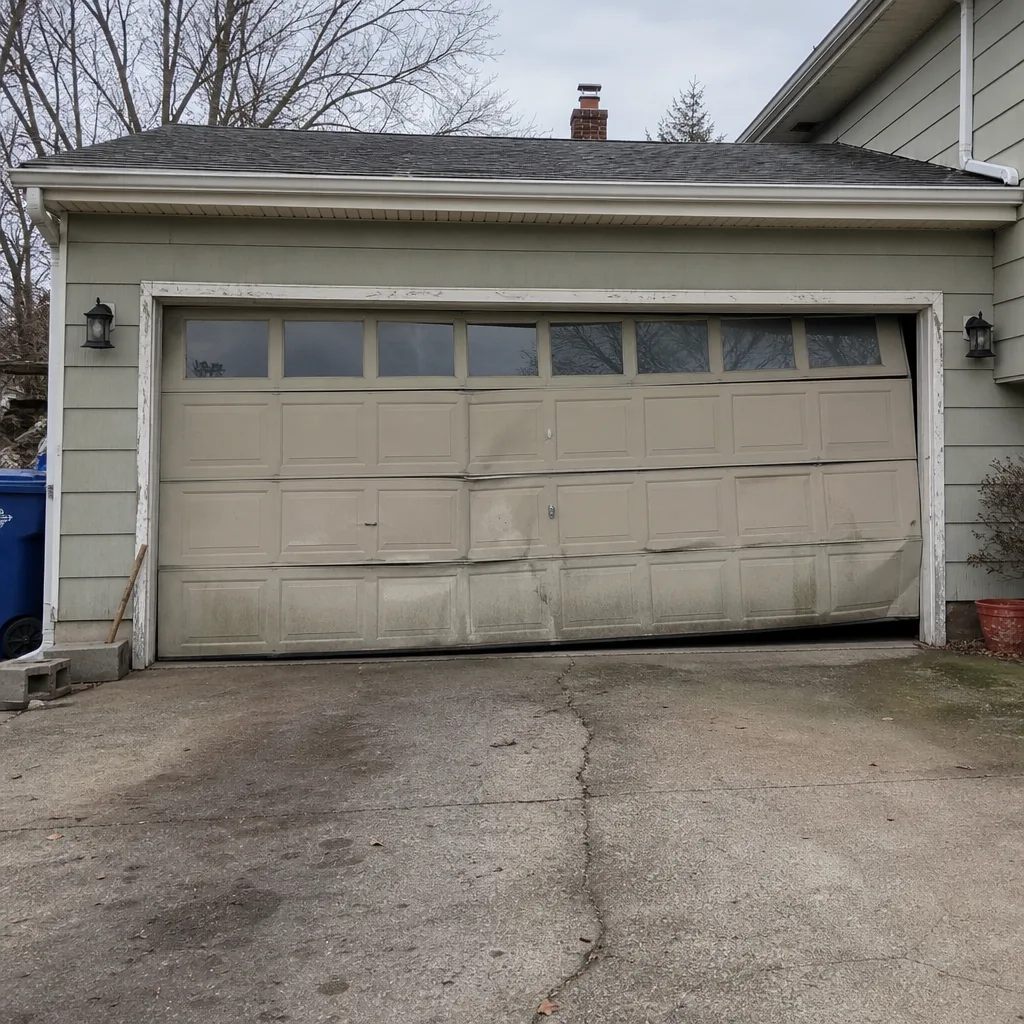 Before
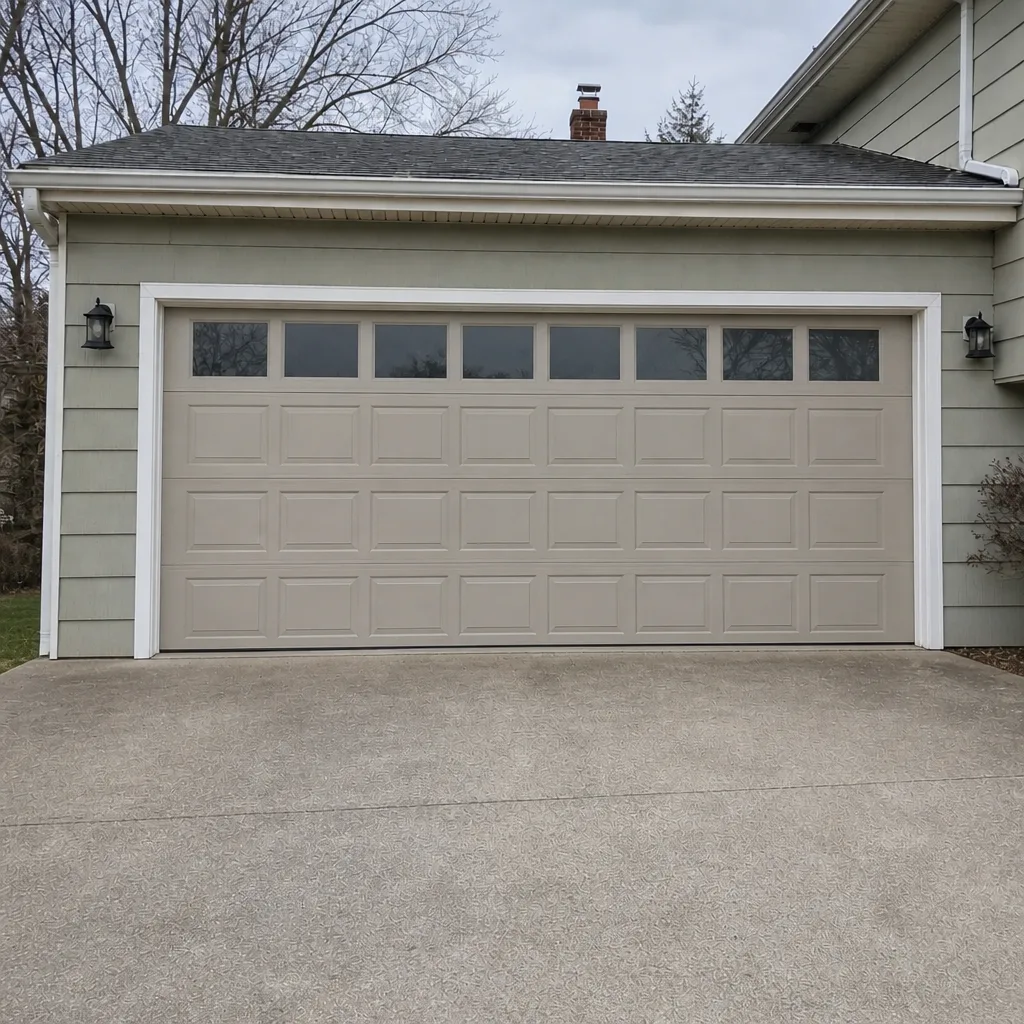 After
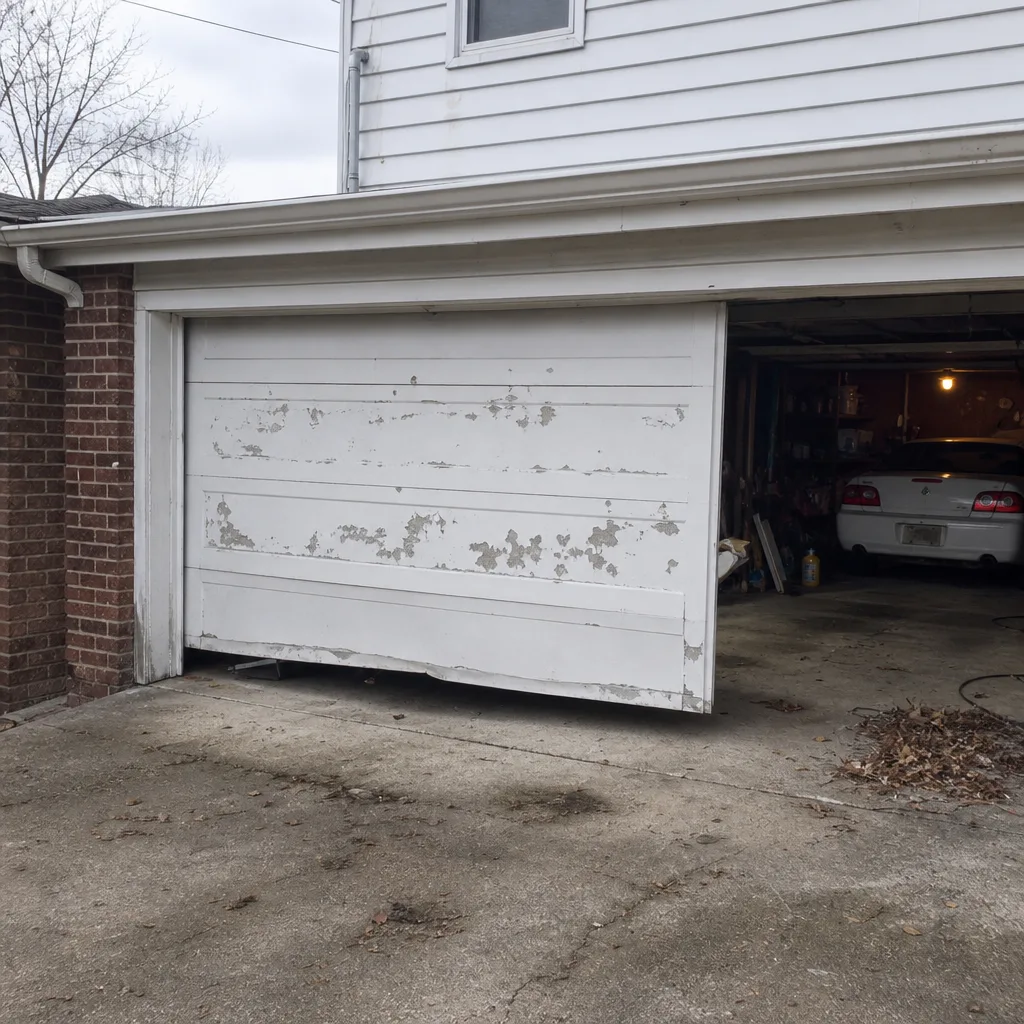 Before
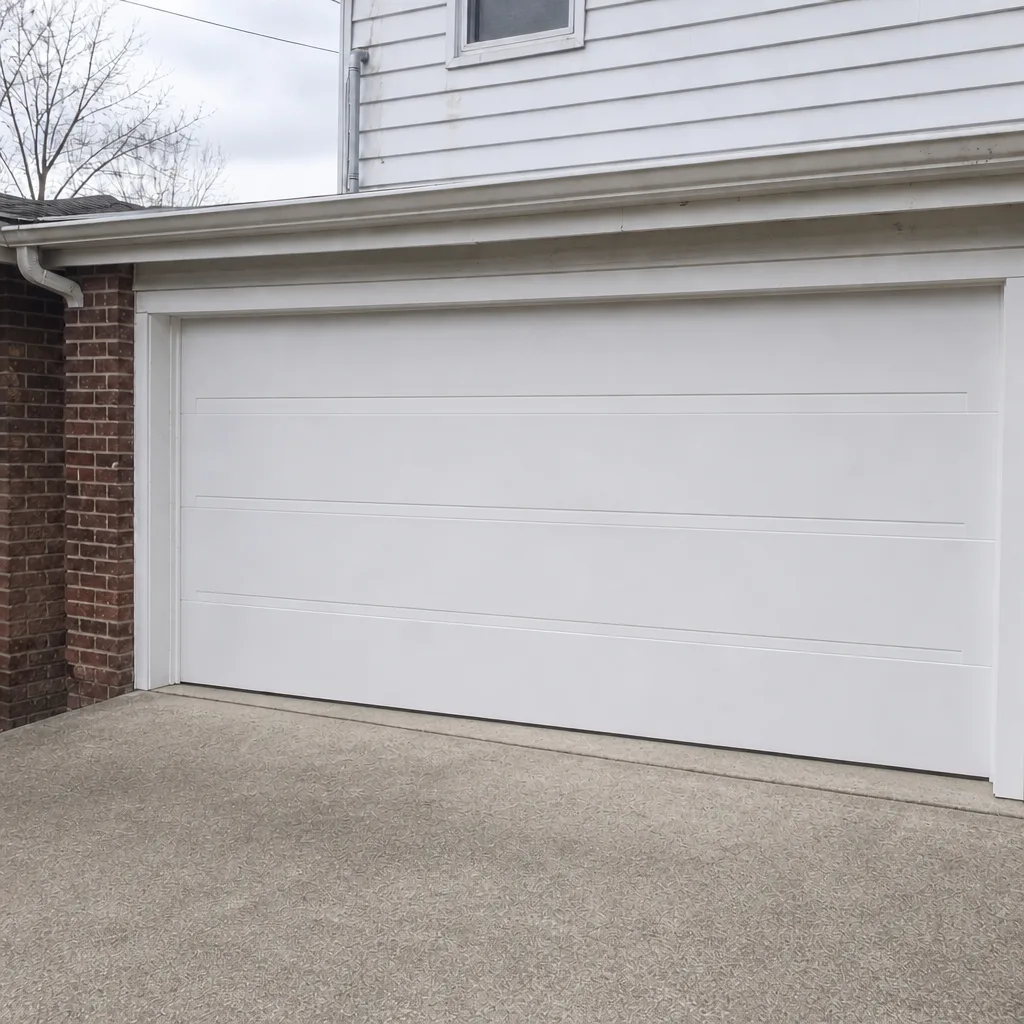 After
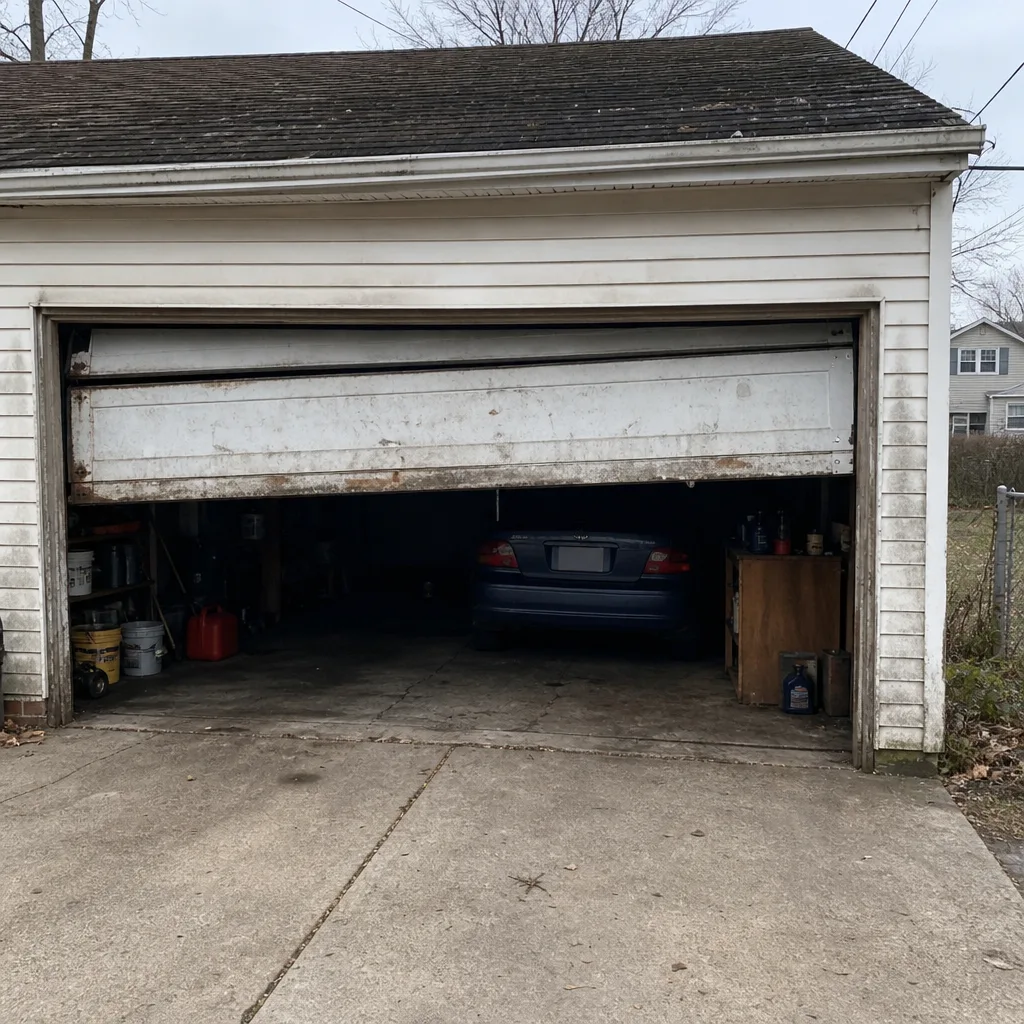 Before
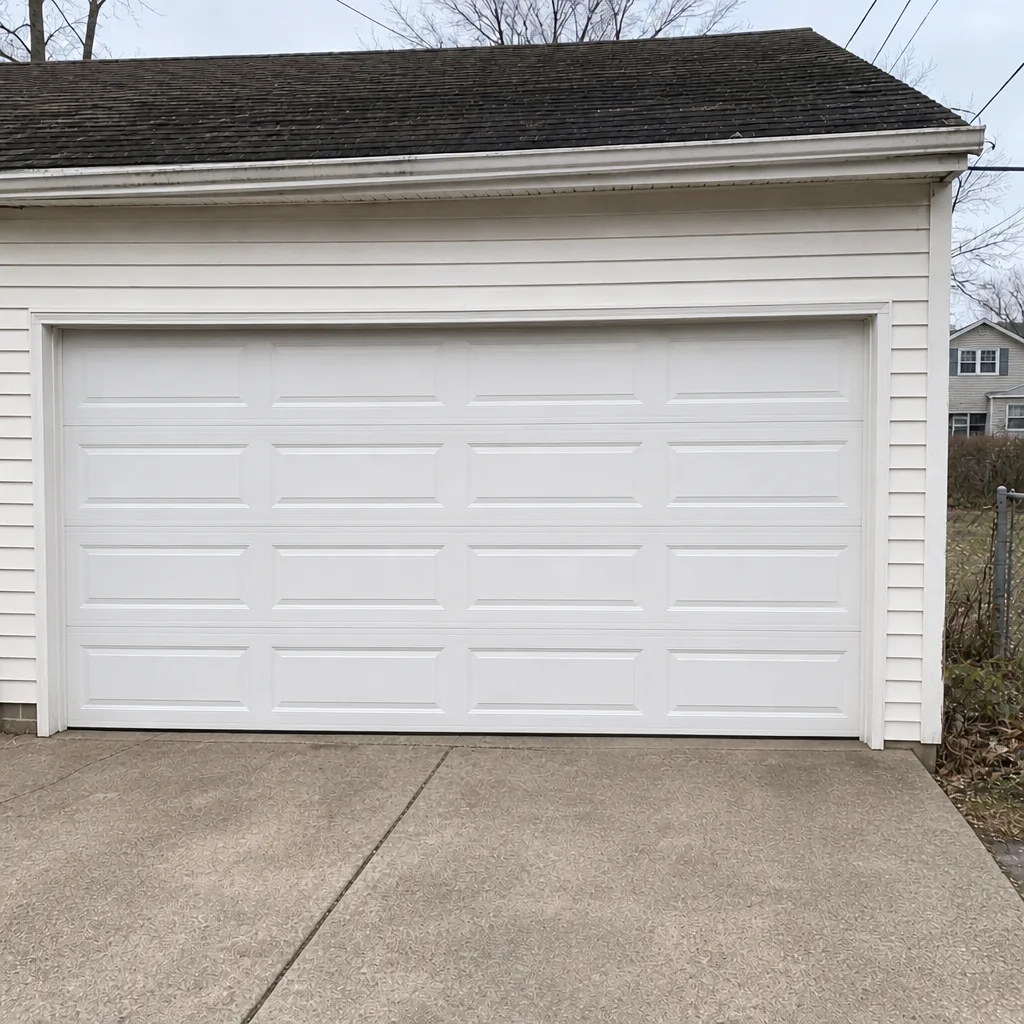 After
When to Call a Professional
Some garage door work is genuinely dangerous for a homeowner to take on. Springs and cables are under extreme tension; adjusting them wrong can cause serious injury, so we don’t recommend DIY spring work, and we treat spring repair as a serious repair that’s best left to trained hands. If your door is off track, if a spring has snapped, or if the opener has failed and the door won’t move, a professional needs to be involved. Opener repair, spring repair, and a full new-door install are all work our technicians handle, and we work on the brand already on your garage from Chamberlain, Genie, Clopay, Amarr, and the other brands we service. New Brunswick Garage Door Repair Pros offers free estimates in New Brunswick – call (866) 937-8856 for the exact scope and price.
We answer 24/7. Fast dispatch from 7am to 7pm, Sunday through Friday. Our technicians have up to 12 years of experience, and our spring and opener work is what we do.
Frequently Asked Questions
In most cases, yes. Replacing a garage door assembly in New Brunswick generally requires a permit through the City of New Brunswick Construction Office under the New Jersey Uniform Construction Code. A like-for-like repair, such as replacing a spring, cable, or opener, typically does not. Call (866) 937-8856 for an exact quote – estimates are free.
No. Spring replacement is treated as maintenance rather than a structural change, so it generally doesn’t need a permit. Spring work is also one of the more dangerous repairs in the trade, so it’s a job for a trained technician, not a homeowner; call (866) 937-8856 to talk through the repair and get a free estimate.
Typically the contractor pulls the permit when they’re doing the install; a homeowner is generally allowed to pull a permit for work on their own home. Either way, confirm who’s responsible in writing before the work starts. Call (866) 937-8856 for an exact quote – estimates are free.
Unpermitted work can surface when a home is sold or refinanced, and it can lead to a retroactive inspection that delays closing. It can also come up in an insurance claim. The fix is to contact the City of New Brunswick Construction Office and work out the path to compliance. Call (866) 937-8856 for an exact quote – estimates are free.
Usually no, when you’re swapping an opener of the same type on the same door. If the new opener requires electrical work or a change to the door’s configuration, ask the Construction Office whether a permit applies. Call (866) 937-8856 for a free estimate on opener repairs and replacements.
Turnaround depends on the Construction Office’s workload, the completeness of your application, and whether the door is in stock or ordered. The inspection happens after the install, once the door is in and operating. Confirm current timing with the office, and call (866) 937-8856 for a free estimate and a scope of work.
The Bottom Line
The permit question comes down to repair versus replacement. A failed spring, a burned-out opener, or a wonky roller is typically maintenance; a new door assembly, an altered opening, or a structural change generally needs a permit from the City of New Brunswick Construction Office. Wind load and R-value apply to new doors in Middlesex County, and both are reviewed at the permit stage. Unpermitted work tends to surface during sales, refinances, and insurance claims, sometimes with expensive delays. The right sequence is simple: confirm the scope with the Construction Office, get the permit in place, do the install properly, and keep the sign-off. Our team at New Brunswick Garage Door Repair Pros works on repair and installation alike, and we’ll tell you where the permit line falls before you commit to a project. Call (866) 937-8856. We answer 24/7. Fast dispatch from 7am to 7pm, Sunday through Friday.
Written by the team at New Brunswick Garage Door Repair Pros.