
Last updated November 23, 2026
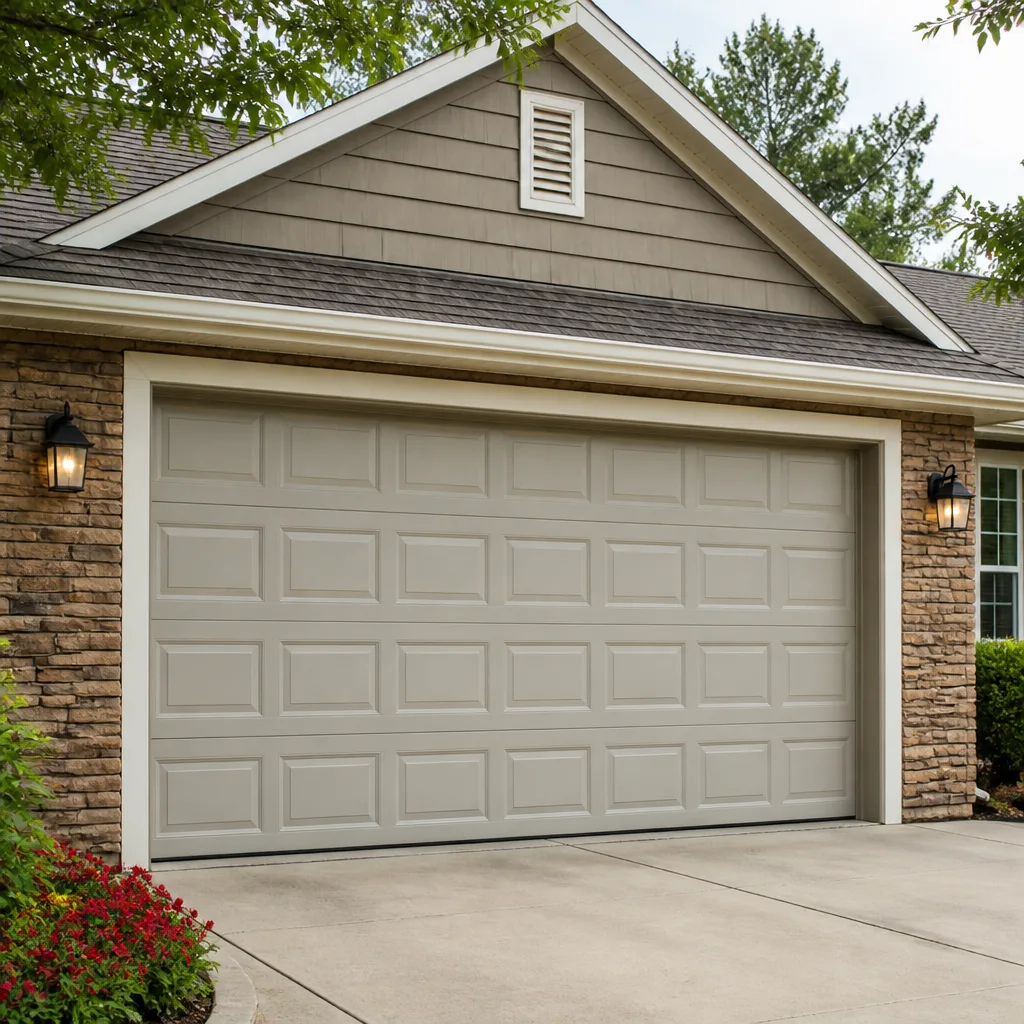 Raised-panel steel
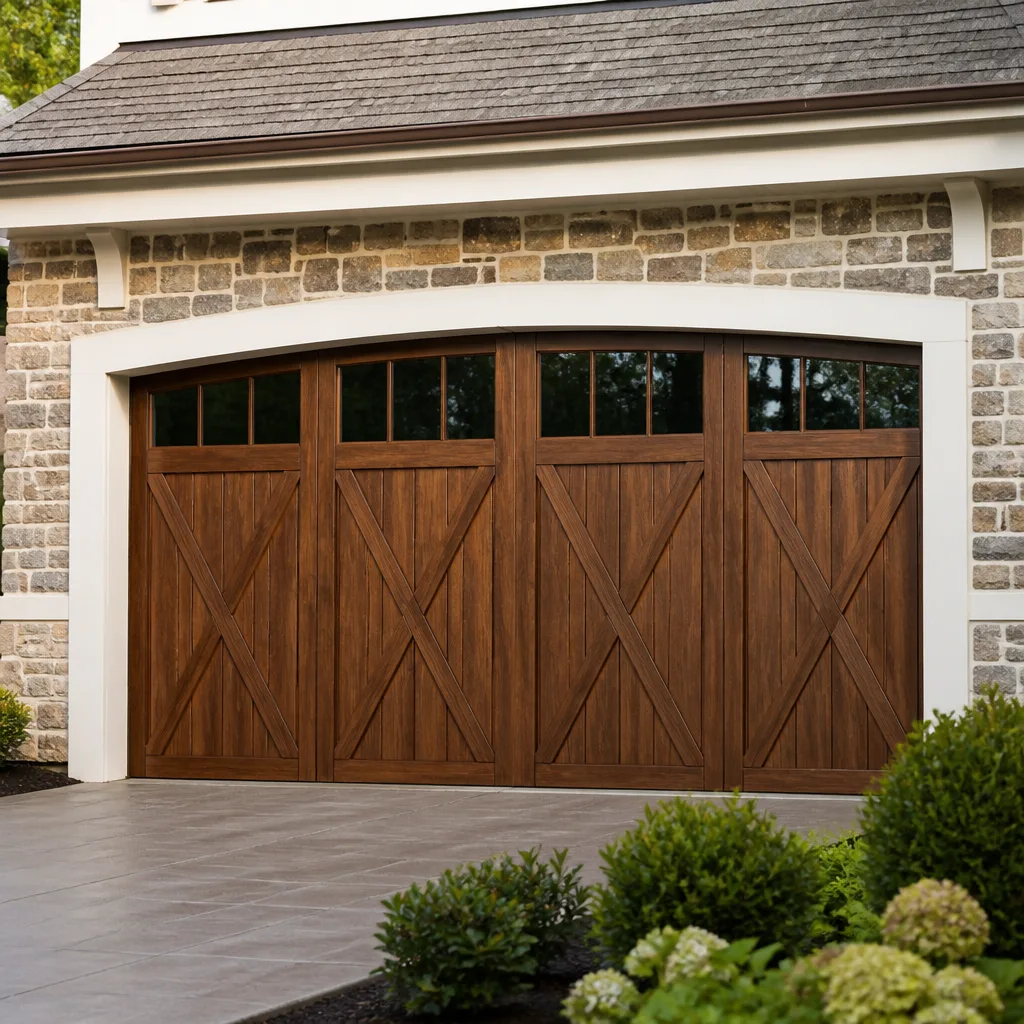 Carriage house
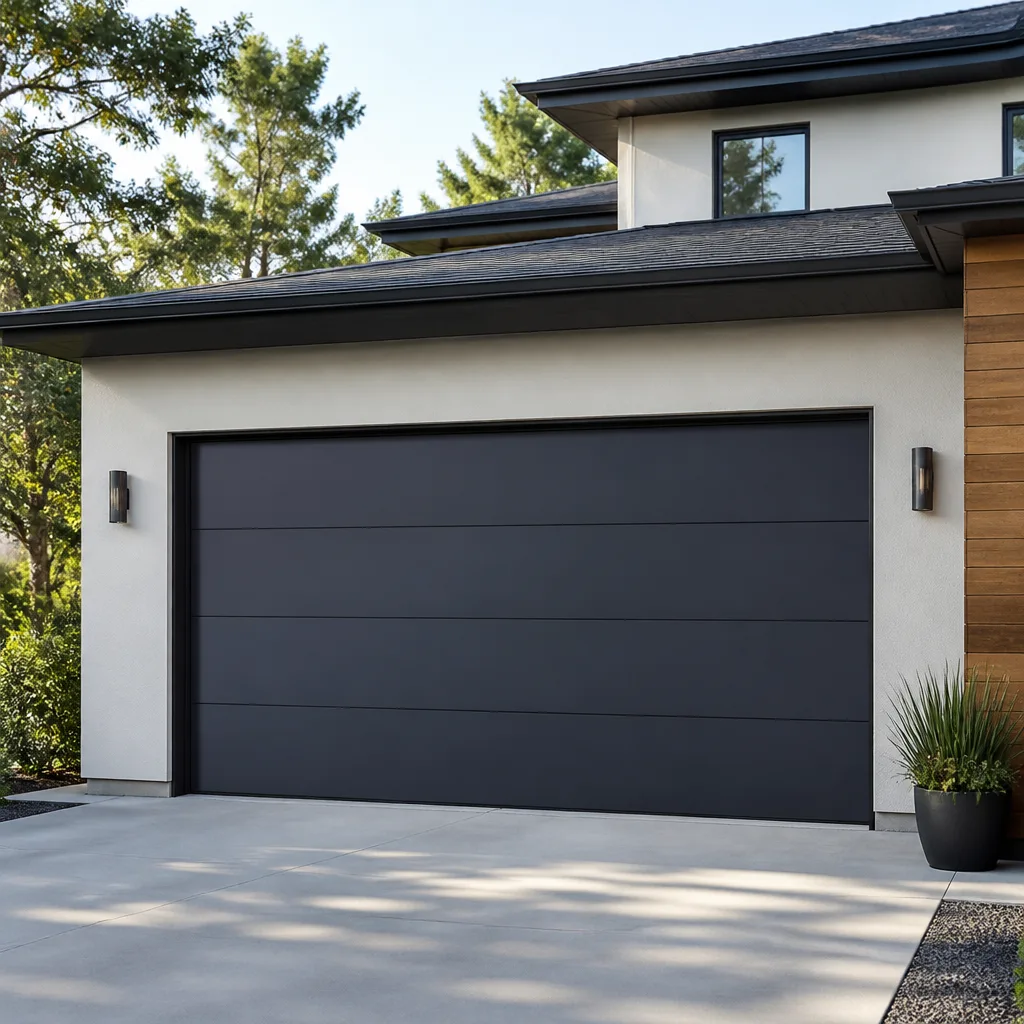 Modern flush
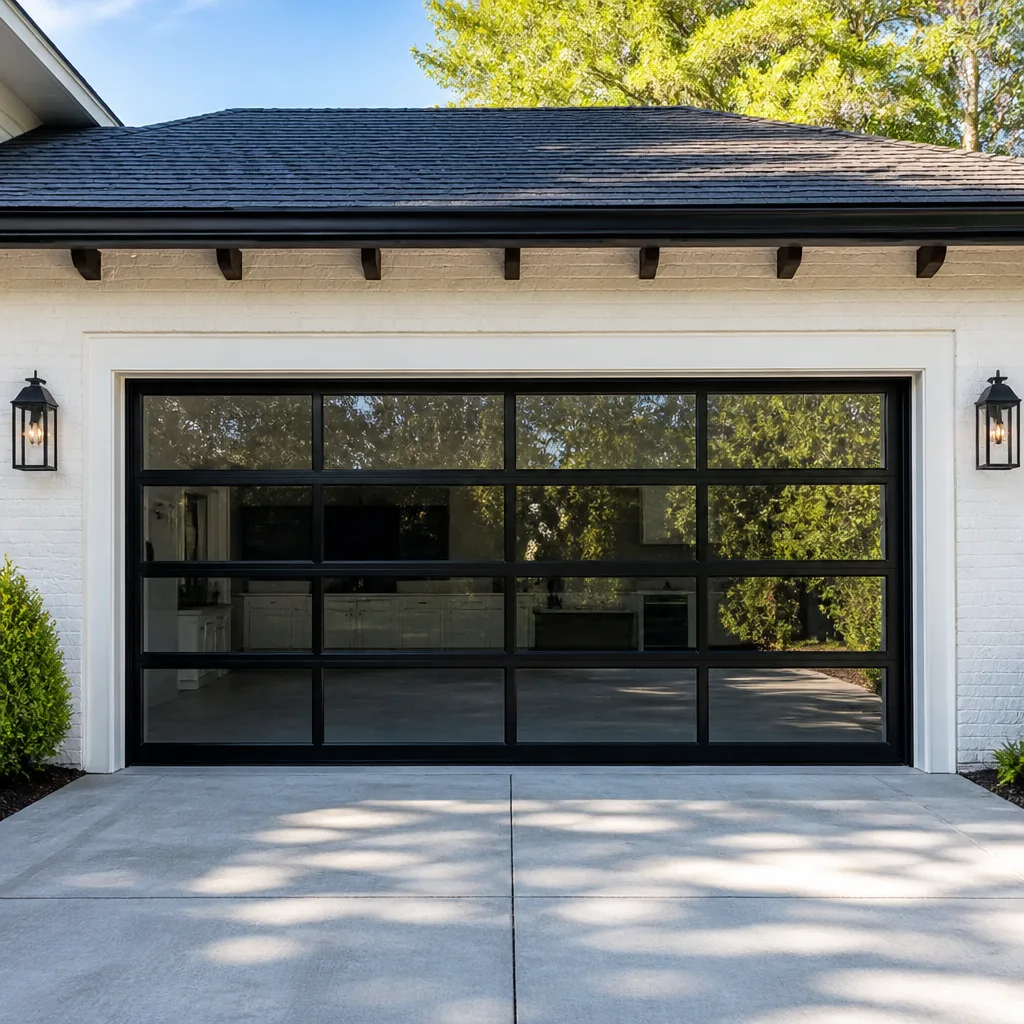 Full-view glass
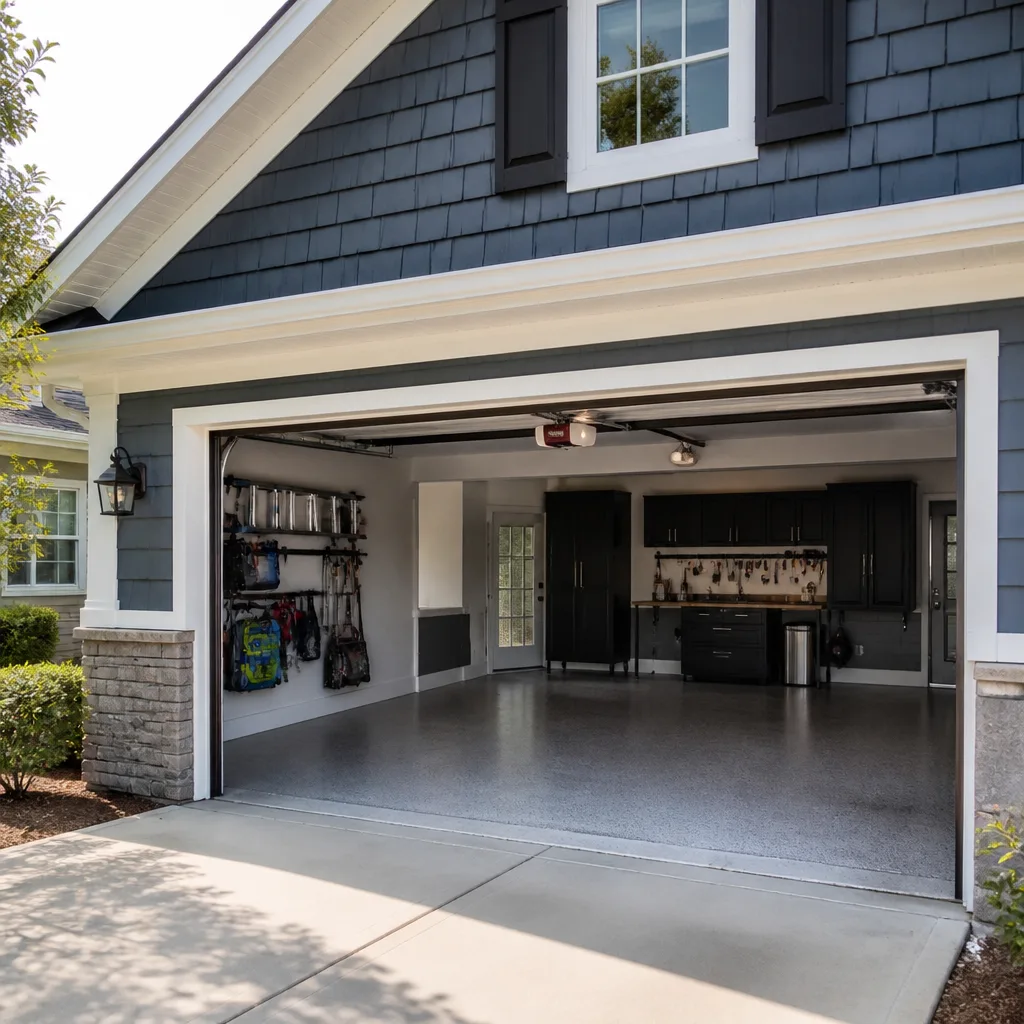 LiftMaster openers
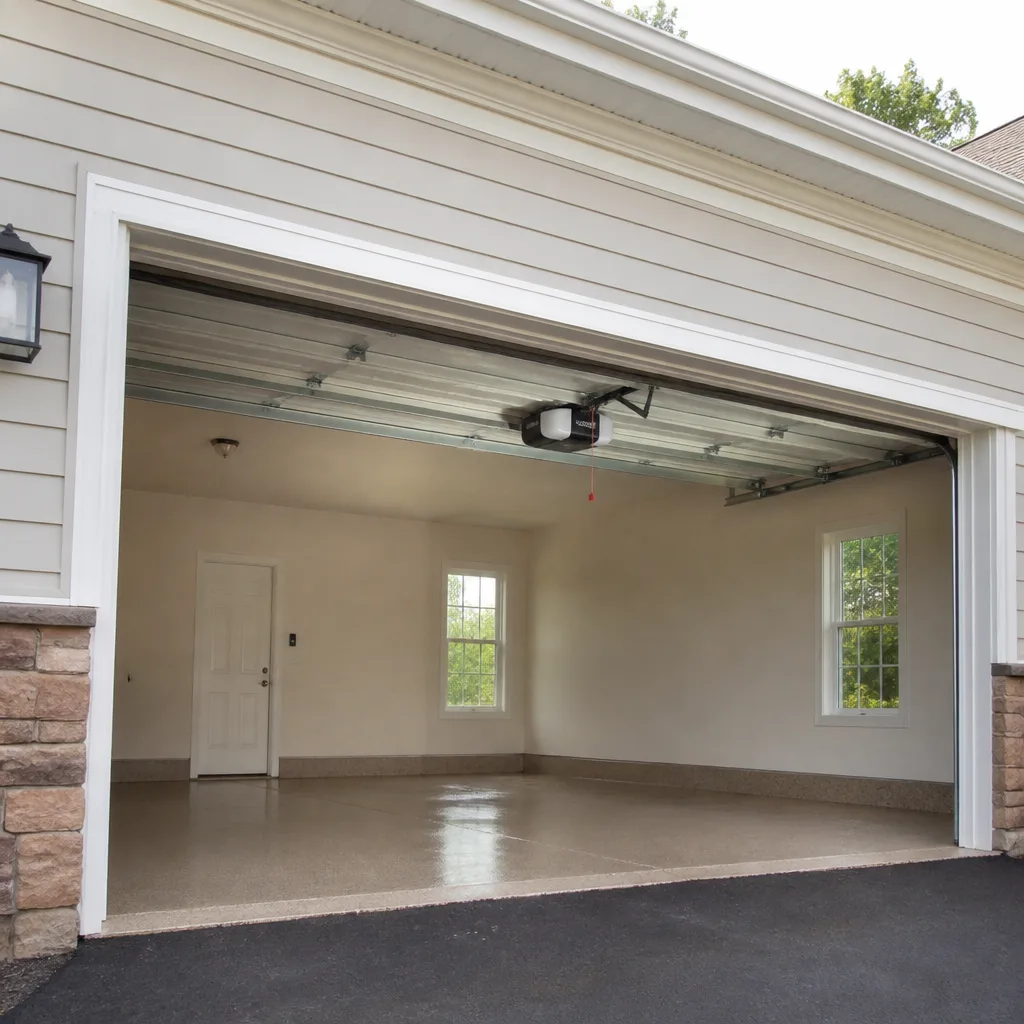 Chamberlain openers
Full 25-point door and opener safety check with every visit - springs, cables, rollers, tracks, and your LiftMaster or Chamberlain opener included
You get a price before we start. It does not change when the pro arrives.
Get your free estimateDIY vs Professional Garage Door: The New Brunswick Homeowner’s Decision Guide
Most guides to garage door work get the DIY question wrong in one of two directions. Some treat the whole door as a live electrical hazard you shouldn’t touch; others hand you a socket wrench and a video link. Neither is honest. A torsion spring stores enough mechanical energy to break a hand in under a second, and no video changes that. Replacing a bottom weatherseal, lubricating hinges, or adjusting the travel limits on your opener are things almost any homeowner can finish in half an hour with no real risk. The line isn’t drawn by how handy you are. It’s drawn by the component. This guide classifies every common task in New Brunswick by injury risk and mechanical reason, so you know exactly where your work stops and a professional’s begins.
Quick Answer
Garage door work splits cleanly into three tiers. Weatherseals, lubrication, hardware tightening, and opener travel or force adjustments are safe for most homeowners. Rollers, cables, and track straightening are doable with caution and the right tools. Torsion and extension springs, cable replacement, and any work that requires releasing spring tension belong to a trained technician, full stop. Everything else comes down to your door’s age and symptom, which we’ll walk through below.
Styles & brands we work with
- Raised-panel steel
- Carriage house
- Modern flush
- Full-view glass
- LiftMaster openers
- Chamberlain openers
Table of Contents
- The task-by-task safety classification
- DIY-safe tasks: what most homeowners can handle
- DIY-with-caution tasks: doable, but the risk is real
- Professional-only tasks: the mechanical reason
- What you can diagnose yourself before you call
- Permits, warranties, and what DIY installation costs you
- The hidden DIY cost traps
- Repair vs replacement: how to decide in New Brunswick
The Task-by-Task Safety Classification
Every task on a garage door falls into one of three buckets, and the bucket is set by the mechanical energy involved, not by your comfort level. Go through the list before you pick up a tool. If a task sits in the professional tier, there’s no version of it you can do from the outside looking in.
- DIY-safe: weatherseal replacement, hinge and roller lubrication, tightening bracket bolts, cleaning the photo-eye lenses, adjusting opener travel and force limits, replacing a remote battery, and balancing the door by hand to check it.
- DIY with caution: replacing nylon rollers, straightening a bent track under light pressure, reattaching a bracket to solid framing, and resetting a door that slipped its track without cable damage.
- Professional only: torsion spring replacement, extension spring replacement, cable replacement, drum and bearing plate work, and any repair that requires releasing spring tension to complete.
The reasoning is simple. A torsion spring on a standard door is wound to hundreds of pounds of stored force. It holds that force while it’s in place, and when it lets go it releases all of it at once, usually while someone’s hand is on the winding bars. Cables are under the same tension through the drums. Everything below those components is a low-force, low-risk job. Everything that carries the door’s weight is not. That’s the line.
If you’re staring at a door that won’t move and you’re not sure which bucket you’re in, the safest move is to leave it down and get a professional assessment. Our garage door repair covers exactly this kind of diagnosis, and a free estimate tells you what’s actually wrong before you spend anything.
DIY-Safe Tasks: What Most Homeowners Can Handle
These jobs are genuinely low risk and worth doing yourself. They don’t touch spring or cable tension, and the tools are basic. Doing them also makes any later professional visit cheaper or shorter, because the easy stuff is already done.
- Replace a bottom weatherseal. The seal slides into a channel on the bottom section and pulls out. Measure the width, buy a matching seal, and slide the new one in. Fifteen minutes, one person.
- Lubricate hinges and rollers. Use a garage-door-rated lubricant on the hinge pivots and roller stems, not the tracks. Wipe up drips. Twice a year is plenty.
- Tighten bracket bolts. A door that rattles and shakes usually has loose bolts. Snug them without overtightening, and check them every few months.
- Adjust opener travel and force limits. Most openers from Clopay, LiftMaster, Genie, and Chamberlain have travel limit dials or a programming sequence on the motor head. When a door stops short or reverses halfway, the limits usually drifted. The manual for your opener walks you through it.
- Clean the photo-eye lenses. A tiny bit of dust or a spider web across the safety eyes makes a door reverse or refuse to close. Wipe both lenses and check that the lights on each are solid, not blinking.
- Test the balance. Disconnect the door from the opener with the release handle, lift it halfway, and let go. A balanced door holds its position. A door that slides down or shoots up needs spring attention, and that’s your call to stop and call a professional.
New Brunswick’s mix of older homes means plenty of doors here are thirty or more years old. On those, the weatherseal job is worth doing every couple of years, because the frame shifts with the seasons and the rubber hardens. It’s one of the cheapest things you can do to keep wind and water out of the garage, and it saves wear on the bottom section.
DIY-With-Caution Tasks: Doable, but the Risk Is Real
These tasks don’t involve stored spring tension, but mistakes here cause injury or a bigger repair. Do them slowly, with the door fully down and disconnected from the opener, and know when to stop.
- Replacing nylon rollers. The roller comes out of the hinge sleeve once the door is down and the hinge is off its bracket. The risk is dropping the door section or over-tightening the reinstall. Work one roller at a time and support the section.
- Straightening a light track bend. A track bent by a bump can sometimes be persuaded back with a rubber mallet and a block of wood. Too much force and the curve goes egg-shaped, and the door will bind. If more than one section of track is bent, stop.
- Reattaching a bracket to solid framing. A bracket that pulled out of rotted framing needs new wood behind it, not longer screws into the same soft spot. On older garages around New Brunswick, this is the most common “simple” fix that goes wrong.
- Resetting a door that slipped its track. If the door is off the track but the cables are intact and the springs are whole, the door can often be worked back. If a cable is slack or tangled, or the door is hanging by one side, stop and call a professional.
In every one of these, the stop signal is the same: if the door’s weight is being carried by something other than the springs and cables doing their normal job, you’re past the safe zone.
Professional-Only Tasks: The Mechanical Reason
These jobs are not hard to understand. They’re dangerous to do without training and the right tools, and no amount of confidence changes the physics. A torsion spring stores enough energy to cause permanent hand injury in under a second, and the failure is instant and silent right up to the moment it lets go.
- Torsion spring replacement. The spring has to be wound with winding bars to a measured number of turns, held under load, and unwound the same way. A slip throws the bar, and the door drops. Done wrong it can also leave the door unbalanced in a way that overloads the opener and shortens its life.
- Extension spring replacement. Older doors use extension springs that stretch along the track. They’re under heavy load and can snap at the hook ends. Replacing them involves releasing the tension safely and matching the springs to the door weight.
- Cable replacement. Cables run from the bottom brackets to the drums above and stay under spring tension. A cable that comes off the drum while you’re working it can slice a hand. This is one of the most common serious-injury repairs in the trade, and it’s the one we would never tell a homeowner to try.
- Drum and bearing plate work. These carry the springs and cables together. Any work here means releasing the whole system.
We handle garage door spring repair as its own specialty, not as an add-on. Springs are the hardest part of the trade to get right and the most commonly mishandled. If your spring broke, one side of the door is now carrying all the weight, and that’s the moment to stop lifting the door by hand and let a technician take over.
What You Can Diagnose Yourself Before You Call
A good diagnosis shortens the call and gets you a more accurate estimate. You don’t need tools for most of it. Here’s how to check the door and write down what you find.
- Look at the springs. A torsion spring sits on a shaft above the door, parallel to the header. An extension spring runs along the horizontal track. A visible gap in a torsion spring means it broke. A stretched-out or hooked extension spring means the same.
- Check the cable. Look at the drum above each corner. A cable lying loose off the drum, or sagging on one side, means a cable problem.
- Listen to the opener. A motor that hums but doesn’t move the door has a stripped gear or a dead capacitor. A motor that runs and the door moves unevenly has a mechanical problem on the door, not the opener.
- Test the balance. Door down, disconnect the opener, lift halfway, let go. It should hold. It should also move by hand with light pressure in both directions.
- Watch the reversal. Wave your foot in front of the photo-eyes while the door closes. It should reverse immediately. If it doesn’t, the eyes are misaligned or dead.
- Note the brand and model. The manufacturer’s name is on a sticker on the door, the opener, or the motor head. LiftMaster, Chamberlain, Genie, Clopay, Amarr, Wayne Dalton, Craftsman, and Raynor are all brands we work on. Knowing yours means a technician can arrive with the right knowledge before touching anything.
Write down what you see and the sound the door makes. When you call, tell us the brand and the symptoms. That details cuts the diagnostic time and lets us quote from a written estimate rather than guessing at the problem.
Permits, Warranties, and What DIY Installation Costs You
New door installation is a different decision than repair. Repair is almost always a candidate for a mix of DIY and professional. A full door replacement is a job that changes how the door attaches to your house, and in New Brunswick that means two things go wrong with DIY that don’t go wrong with repair.
The first is permits. Most cities require a permit for a garage door replacement because the door is part of the building envelope and its hardware has to be mounted to structural framing. Some don’t. The only way to know for certain in New Brunswick is to ask the city’s building department before you buy the door. A permit review also catches a door hung on the wrong framing, which is exactly the failure that leads to a door dropping later. We never guess at permit rules; a phone call to the city settles it.
The second is the manufacturer’s warranty. Door warranties from Clopay, Amarr, Wayne Dalton, and the rest hinge on professional installation and the door being hung square and true. Hang one yourself and the warranty on the door and the finish is generally void, and the parts warranty often goes with it. That matters on a door that should last decades. Opener warranties have a similar structure: most opener manufacturers won’t honor a warranty on a unit that was installed incorrectly or paired with a door that’s not balanced.
That’s why our full installation service exists next to repair. We connect New Brunswick homeowners with local garage door professionals who handle one call from broken hardware through new-door installation, so the permit question, the warranty, and the mounting all get handled together. If you’re weighing a new door, the measure and the written price come first. Installation is scheduled work, not same-day work, because the door has to be ordered and the measure done correctly.
The Hidden DIY Cost Traps
A DIY repair that goes wrong usually costs more than the professional version would have. These are the traps we see homeowners fall into, and they’re specific to this trade.
- Ordering the wrong part. Garage door springs are matched to door weight and height exactly. A spring sold as “for a 7-foot door” is one of several weights. Order the wrong one and you’ve spent forty dollars on a spring that either won’t lift the door or overloads the opener. The part number matters.
- Stripped fasteners. Bracket screws in old framing strip easily. Getting one out of a metal bracket behind the track is a twenty-minute job with the right extractor and a four-hour job without. Now you’re paying a technician to fix a stripped hole instead of a loose bolt.
- Voided opener warranties. An opener paired with an unbalanced door runs against its force limits. It works, it sounds fine, and it burns out the gear or the capacitor a few months later. The manufacturer sees the force setting and can void the warranty.
- Misadjusted spring tension. A door that’s slightly over-tensioned lifts itself and pulls down hard on the opener. One that’s under-tensioned is heavy and the opener does work it was never meant to do. Either way the opener pays for it.
- Bent tracks from a reinstall. A door rehung even a half-inch out of square binds on the tracks. The tracks bend, the rollers wear, and the door starts reversing on its own. A track-and-roller job is more than the original repair.
- The second trip. The real cost of a DIY failure is that the professional visit happens anyway, a day later, with more damage. You’ve paid twice.
None of these are reasons not to do the safe stuff yourself. They’re the reasons to stop at the professional-only line and keep the safe work for yourself.
Repair vs Replacement: How to Decide in New Brunswick
Repair is usually the right call on a door that’s structurally sound. Replacement starts to make sense when the cost of repairs approaches the cost of a new door, or when the door is failing in several places at once. Here’s how we break it down.
- Age: A door under fifteen years old with a single spring failure is a repair. A door past twenty years with a spring failure, a bent track, and worn rollers is often a replacement conversation. New Brunswick has plenty of older homes where both scenarios show up.
- Symptoms: One problem is a repair. Three at once, or a door section that’s cracked or rotted through, is replacement territory.
- Envelope and insulation: Older single-layer doors lose heat through the garage. A door that’s part of the home’s thermal envelope benefits from replacement more than a detached garage’s door does.
- Resale context: A garage door is one of the first things a buyer sees. A door that sticks, shakes, or won’t close is a line item in a home inspection. In a New Brunswick resale, a working, matched door with clean hardware and a correctly functioning opener is worth more than the parts. If you’re selling in the next year or two, a replacement door that’s installed with a permit and a warranty holds up better in a buyer’s inspection than a patched repair.
Our garage door opener repair is often the deciding factor on its own. When the door is fine and the opener is the only problem, replacing the opener alone gets you years more life out of the door. When the door is the problem and the opener is working fine, replacing the door alone is the sensible move. The written estimate tells you which one it is. Our technicians have up to 12 years of experience, and they work on the brand already on your garage rather than a generic substitute.
Common Mistakes to Avoid
- Testing a broken spring by lifting the door. When one spring breaks, the other carries the entire weight. Lifting it by hand can send the door off track or drop it. Leave it down until a technician sees it.
- Using the opener as the lift on a heavy door. If the door feels heavy, the opener is doing work it wasn’t meant to. Running it anyway burns the motor and voids the opener warranty. The fix is on the door, not the opener.
- Buying a spring by door width only. Springs are matched to weight and wire gauge, not width. This is the most common mis-ordered part we see around New Brunswick.
- Lubricating the tracks. Tracks aren’t supposed to be greased. Lubricant in the tracks collects grit and makes the rollers slide instead of roll, which wears them faster.
- Forgetting the permit question on a new door. Some cities require a permit for a garage door replacement and some don’t. Call the New Brunswick building department to find out before you commit to a DIY installation. A permit problem at resale is more expensive than the permit.
- Hanging a door without checking the framing. Older New Brunswick garages often have soft or out-of-square framing around the door opening. A new door hung on it will bind within a season.
- Calling the door “fixed” when it reverses on its own. A door that reverses without an obstruction is a safety problem, usually a photo-eye or force-limit issue. It’s not a minor quirk. Get it checked before someone walks under it.
See the difference
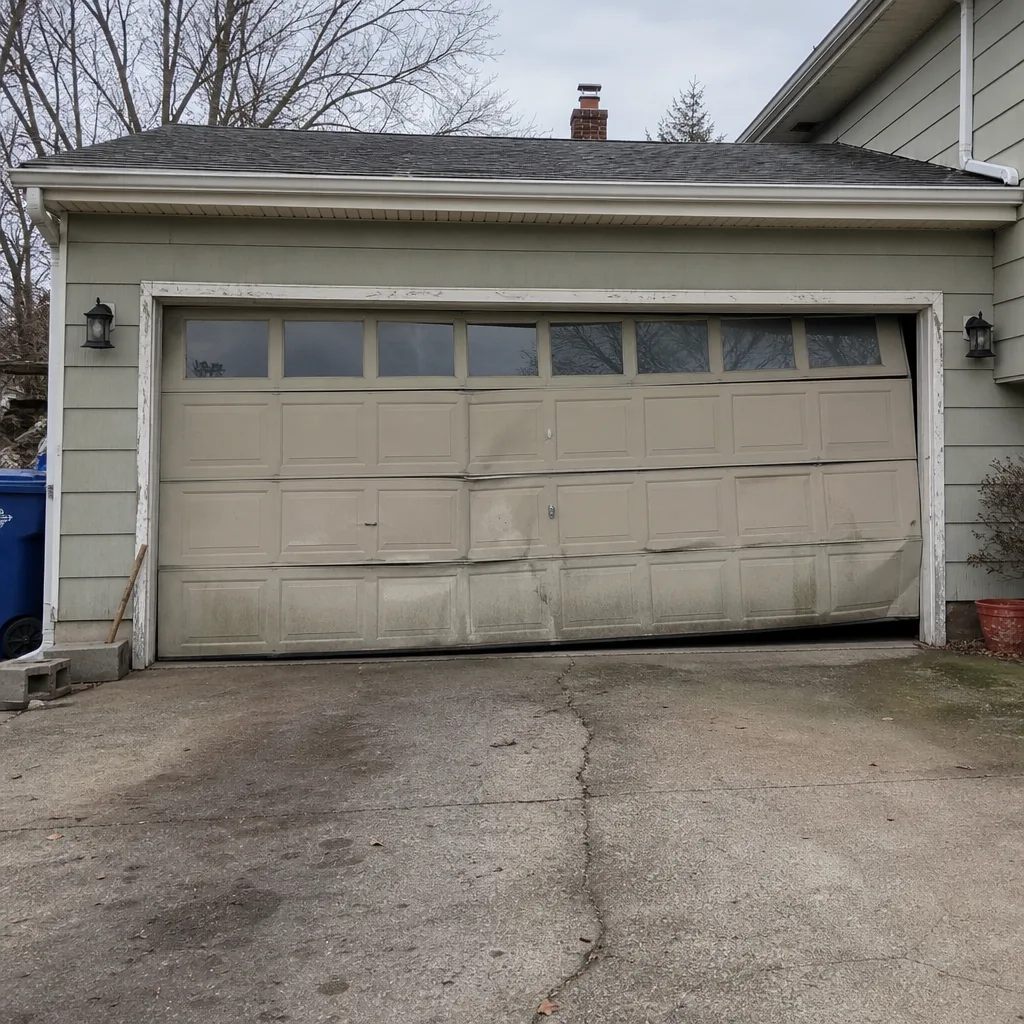 Before
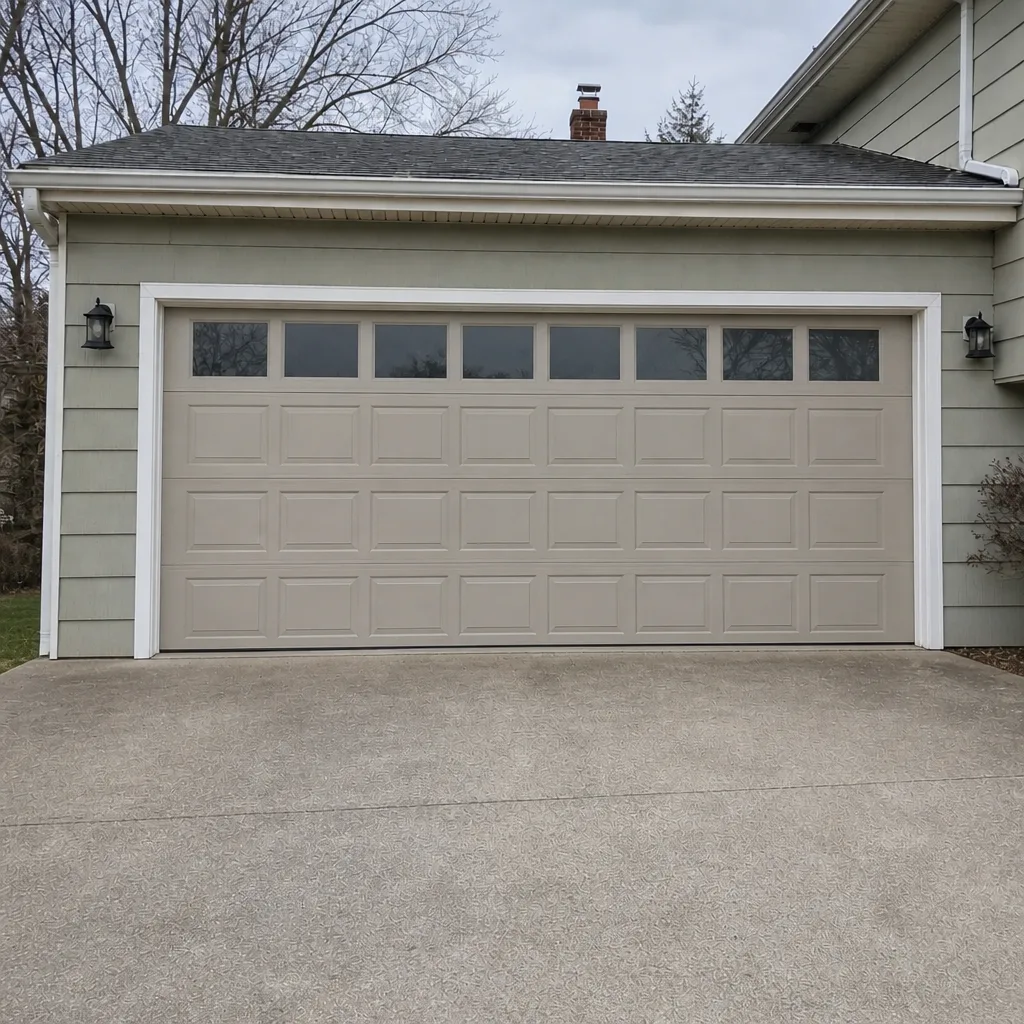 After
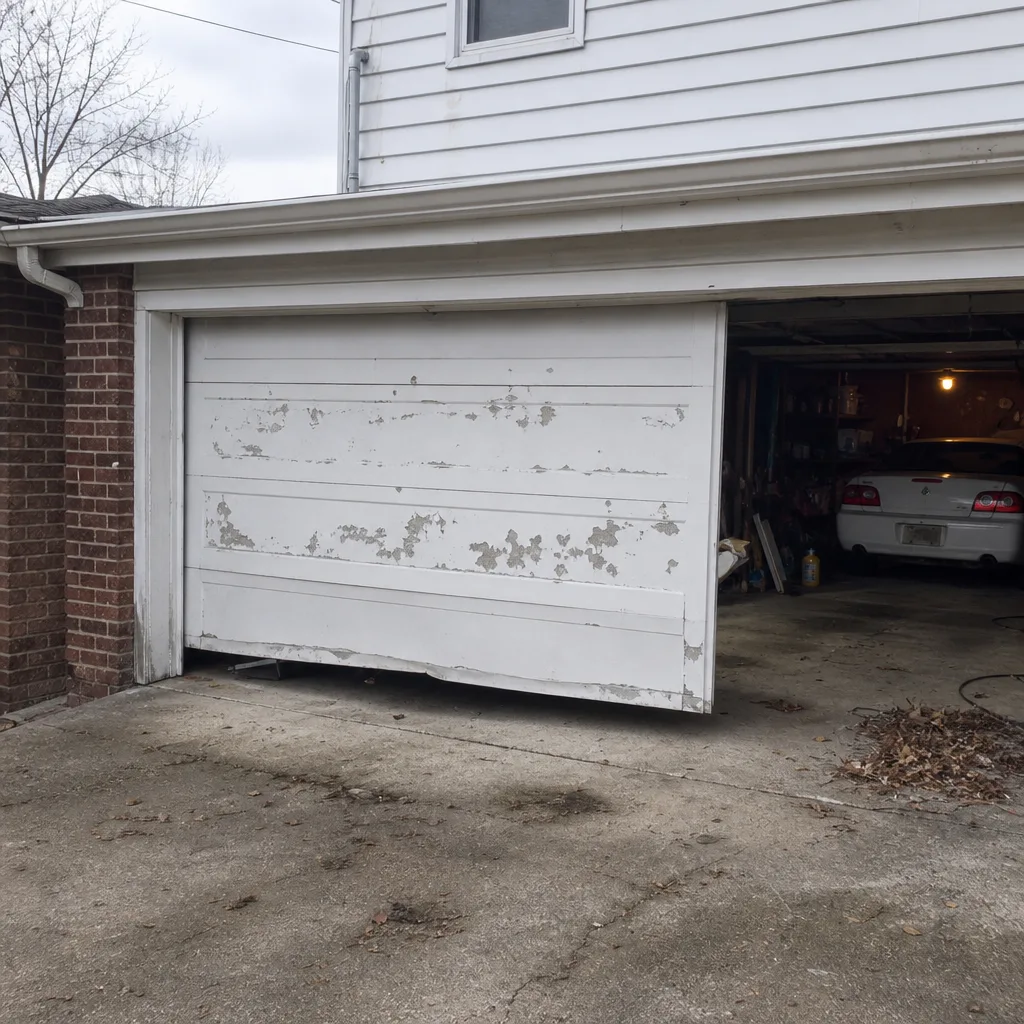 Before
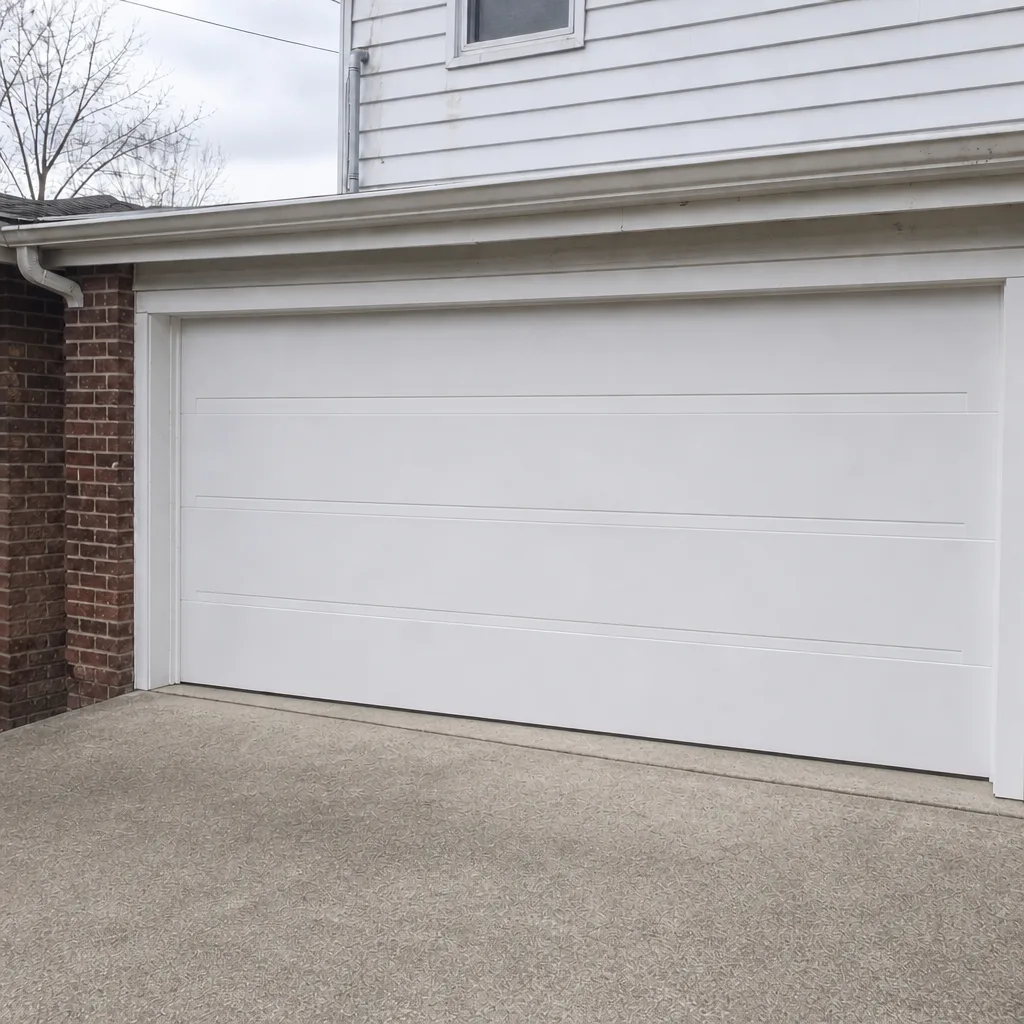 After
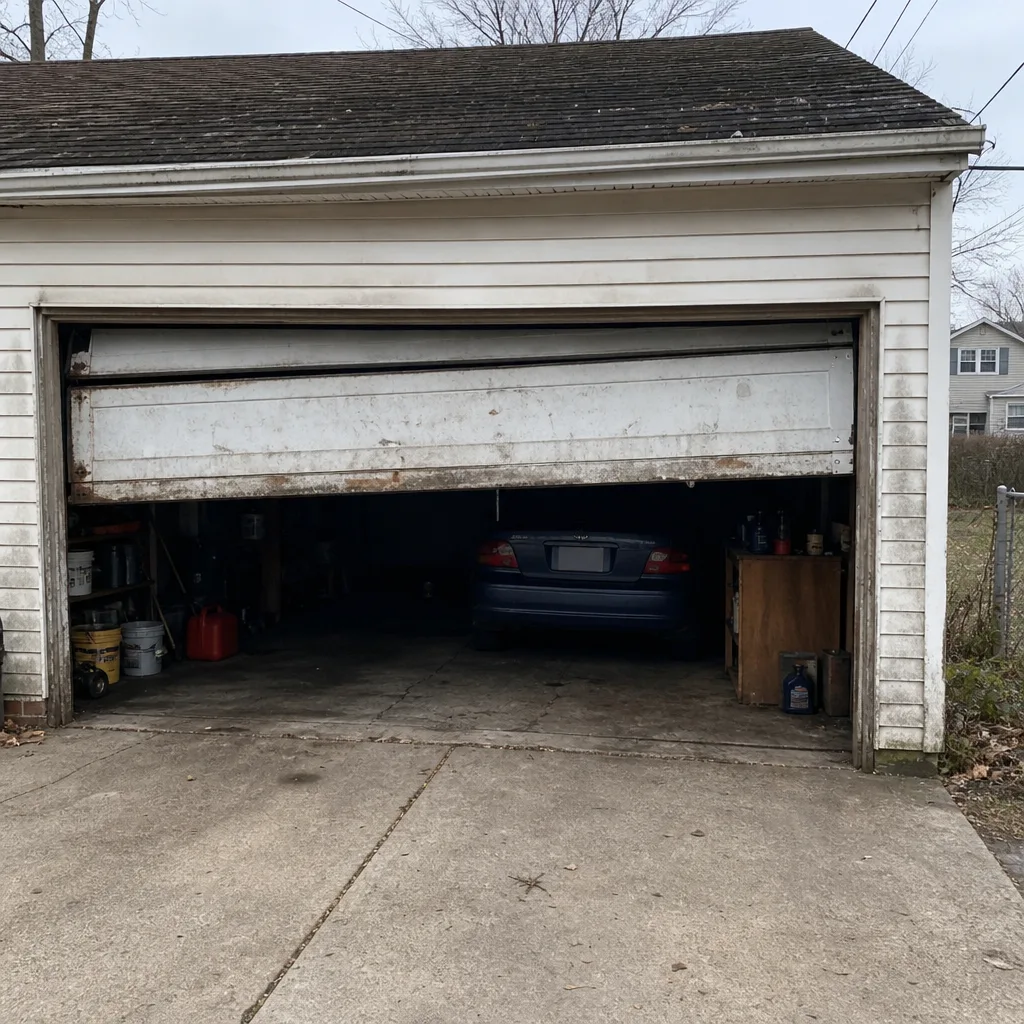 Before
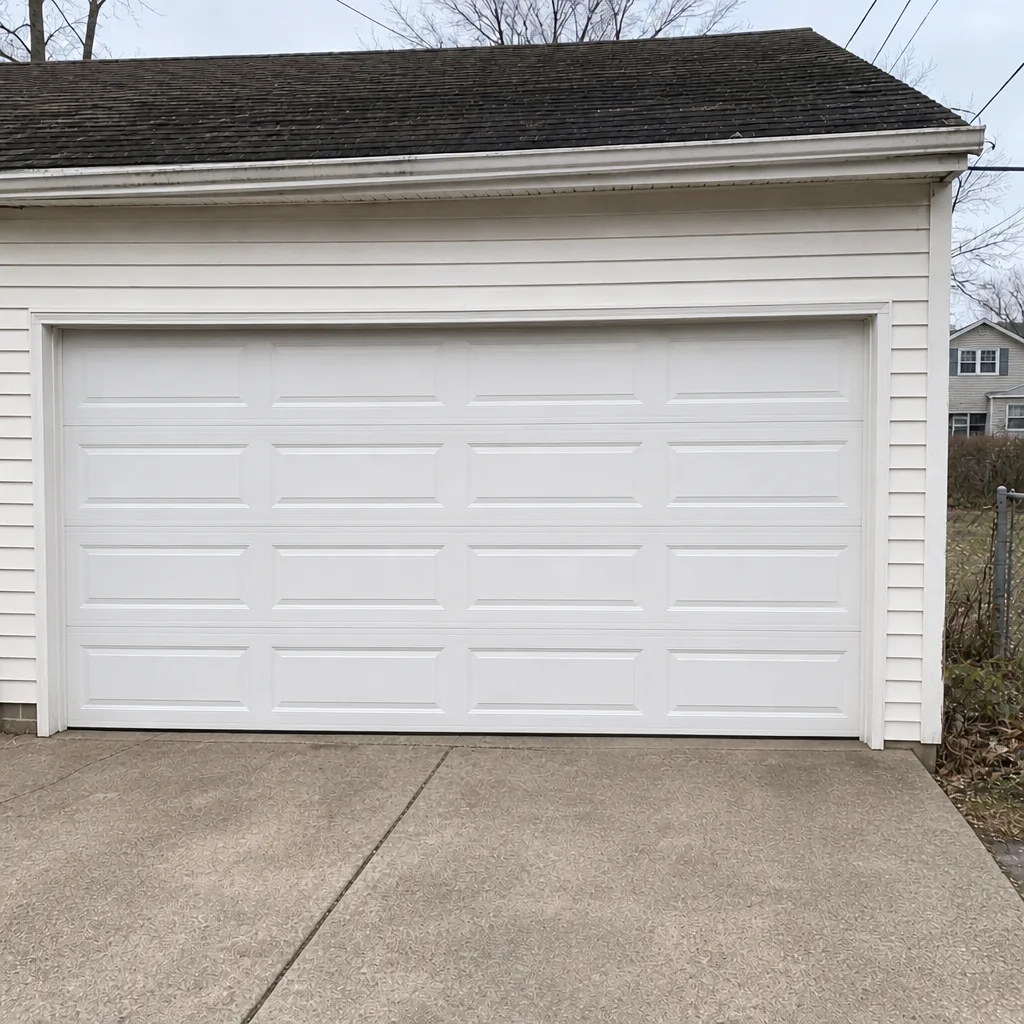 After
When to Call a Professional
Call us when the door has a broken spring, a slack or loose cable, or is off its track. Call when the opener runs but doesn’t move the door, or when the door reverses on its own. Call when the door feels heavy to lift, because that means the springs are failing and the opener is being overloaded. Call when you’re installing a new door, because the permit, the warranty, and the framing all matter. And call if you’re simply not sure which side of the line a job falls on, because a free estimate settles it without risk.
New Brunswick Garage Door Repair Pros offers free estimates in New Brunswick. Call (866) 937-8856. We answer 24/7. Fast dispatch from 7am to 7pm, Sunday through Friday. When the door won’t move, we move fast.
Frequently Asked Questions
No. Torsion springs are wound to hundreds of pounds of stored force with winding bars, and a slip can cause permanent hand injury in under a second. This is one of the few garage door tasks that belongs to a trained technician no matter how handy you are. If a spring is broken, keep the door down and call a professional. Call (866) 937-8856. We answer 24/7. Fast dispatch from 7am to 7pm, Sunday through Friday.
Weatherseal replacement, hinge and roller lubrication, tightening bracket bolts, cleaning the photo-eye lenses, and adjusting the opener travel and force limits are all safe for most homeowners. Nylon roller replacement and light track straightening are doable with caution. Springs, cables, and anything that requires releasing tension are professional-only. If you’re unsure, call (866) 937-8856 for a free estimate and we’ll tell you.
That depends on the city’s current rules, so ask the New Brunswick building department before you buy the door. Most cities do require a permit for a garage door replacement because the door is part of the building envelope and its hardware mounts to structural framing. We recommend making that phone call first, whatever you decide about who installs the door. Call (866) 937-8856 for a free estimate and a written price.
Often, yes. Door warranties from Clopay, Amarr, Wayne Dalton, and the other major brands generally hinge on professional installation and the door being hung square. Opener warranties typically won’t cover a unit paired with an unbalanced door or installed incorrectly. If your door or opener is still under warranty, check the terms before you pick up a tool. Call (866) 937-8856 if you want us to look at it first.
Sometimes, if the door is fully down, the cables are intact and taut, and the springs are whole. If a cable is slack or tangled, or the door is hanging by one side, stop and call a professional. A door off the track can drop without warning. Call (866) 937-8856. A free estimate tells you whether it’s a track reset or something bigger.
Repair is usually right when the door is under fifteen years old and has a single problem like a spring failure. Replacement starts to make sense past twenty years with several problems at once, a rotted or cracked section, or in a resale context where the door is part of the buyer’s first impression. A free estimate gives you a written price for both so you can compare them. Call (866) 937-8856.
The Bottom Line
The DIY question isn’t about how skilled you are; it’s about which component you’re touching. The safe stuff is worth doing yourself: seals, lubrication, bolts, limit settings, and a good diagnostic report before you call. The professional-only stuff is springs, cables, and anything that carries the door’s weight, because the stored force doesn’t care how careful you are. Repair is usually a mix of both. Installation is a professional job because of permits, warranties, and framing. We’re New Brunswick Garage Door Repair Pros, and we work the brand already on your garage. Call (866) 937-8856 for a free estimate.
Call (866) 937-8856 today for a free estimate. We answer 24/7. Fast dispatch from 7am to 7pm, Sunday through Friday. If you’re weighing a repair against a full replacement or you just want to know whether your next project belongs on your side of the line, we’ll give you a written price before any work starts.
Written by the team at New Brunswick Garage Door Repair Pros.