
Last updated November 23, 2026
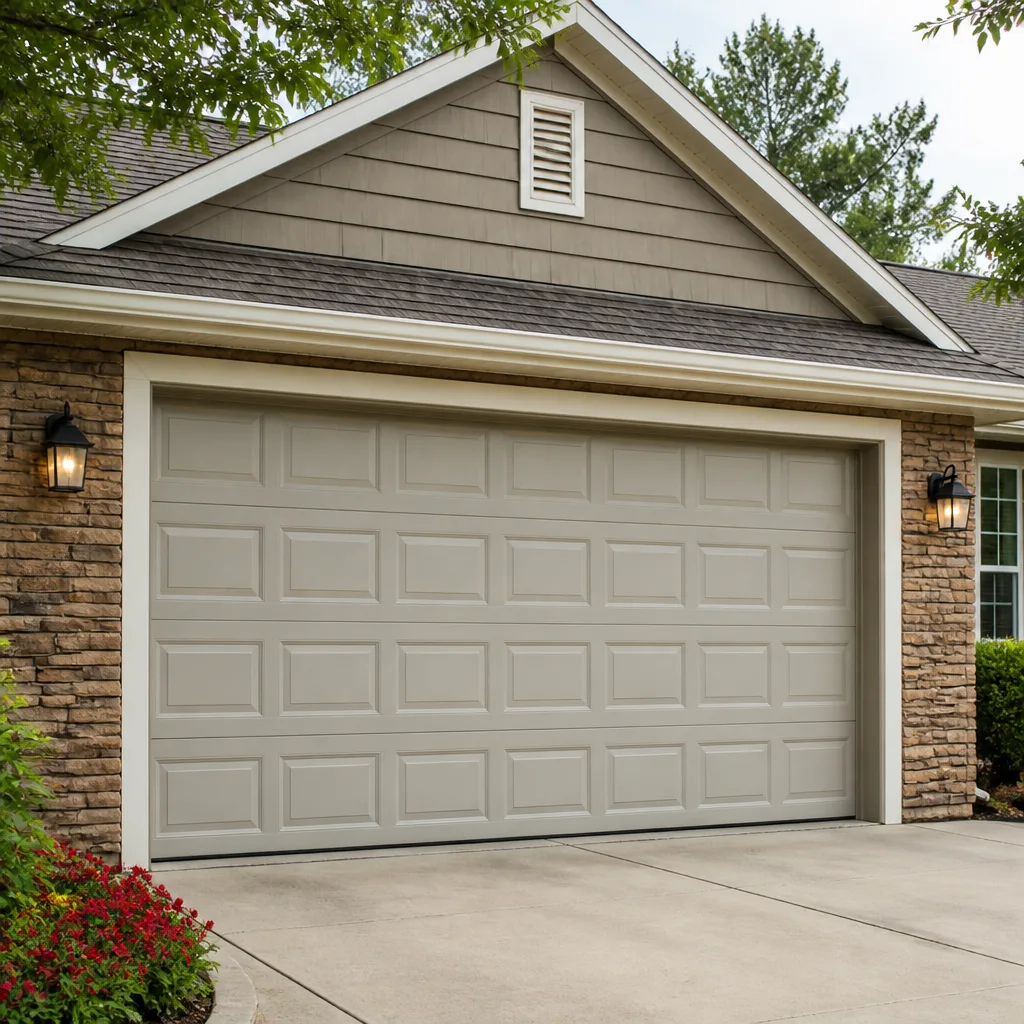 Raised-panel steel
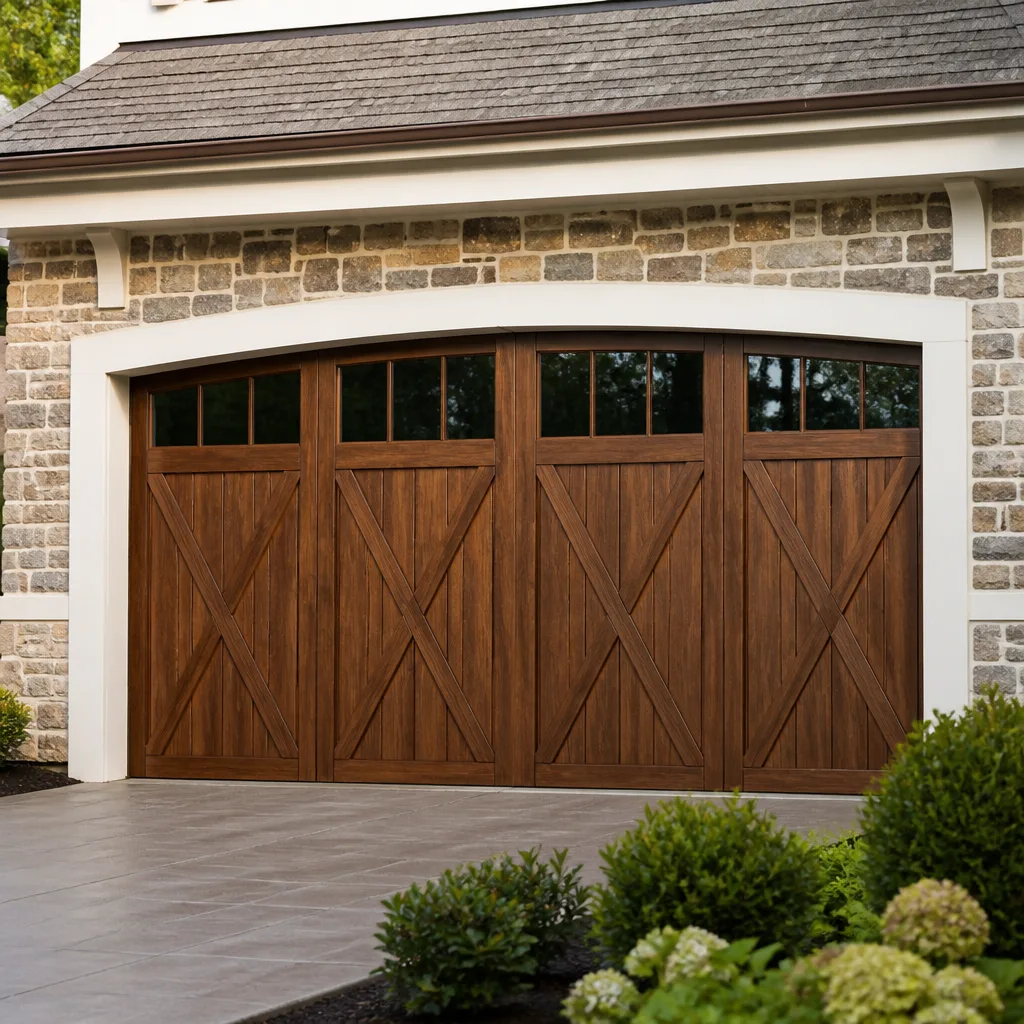 Carriage house
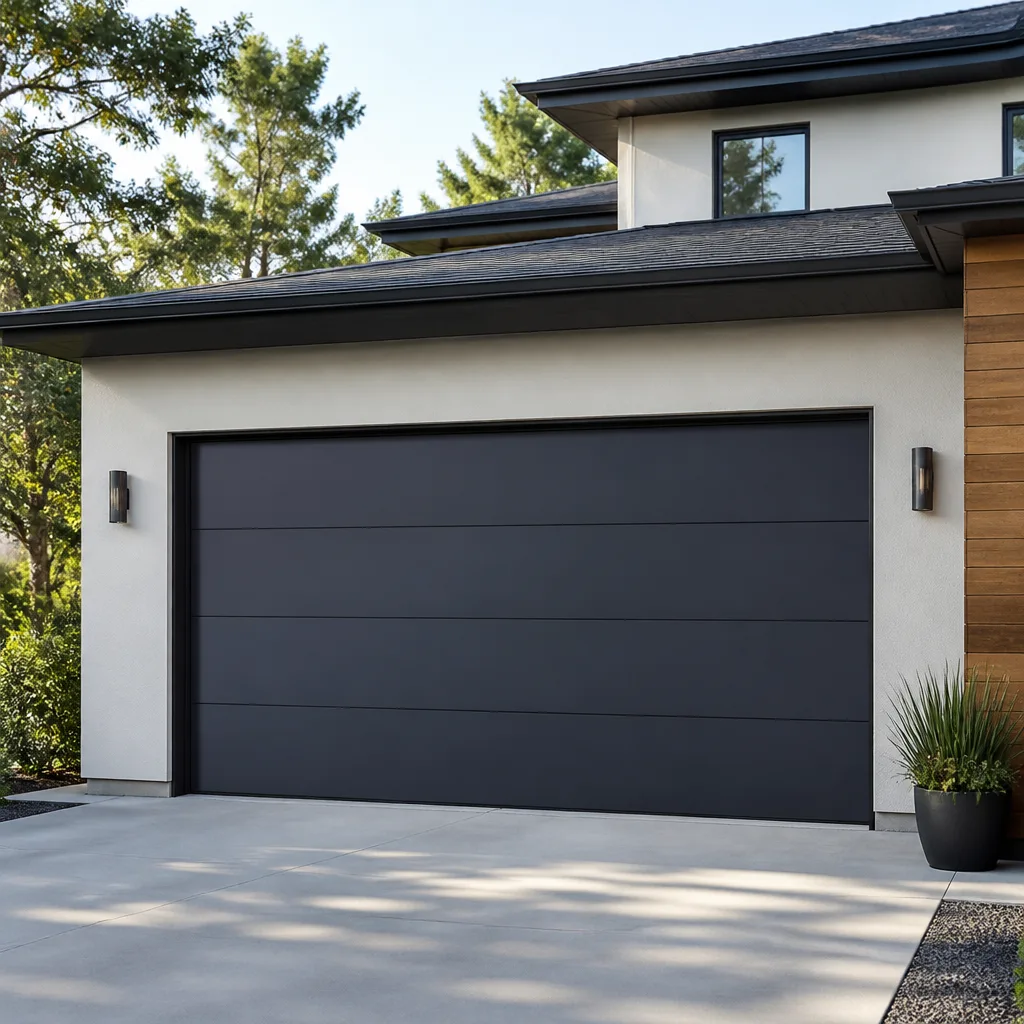 Modern flush
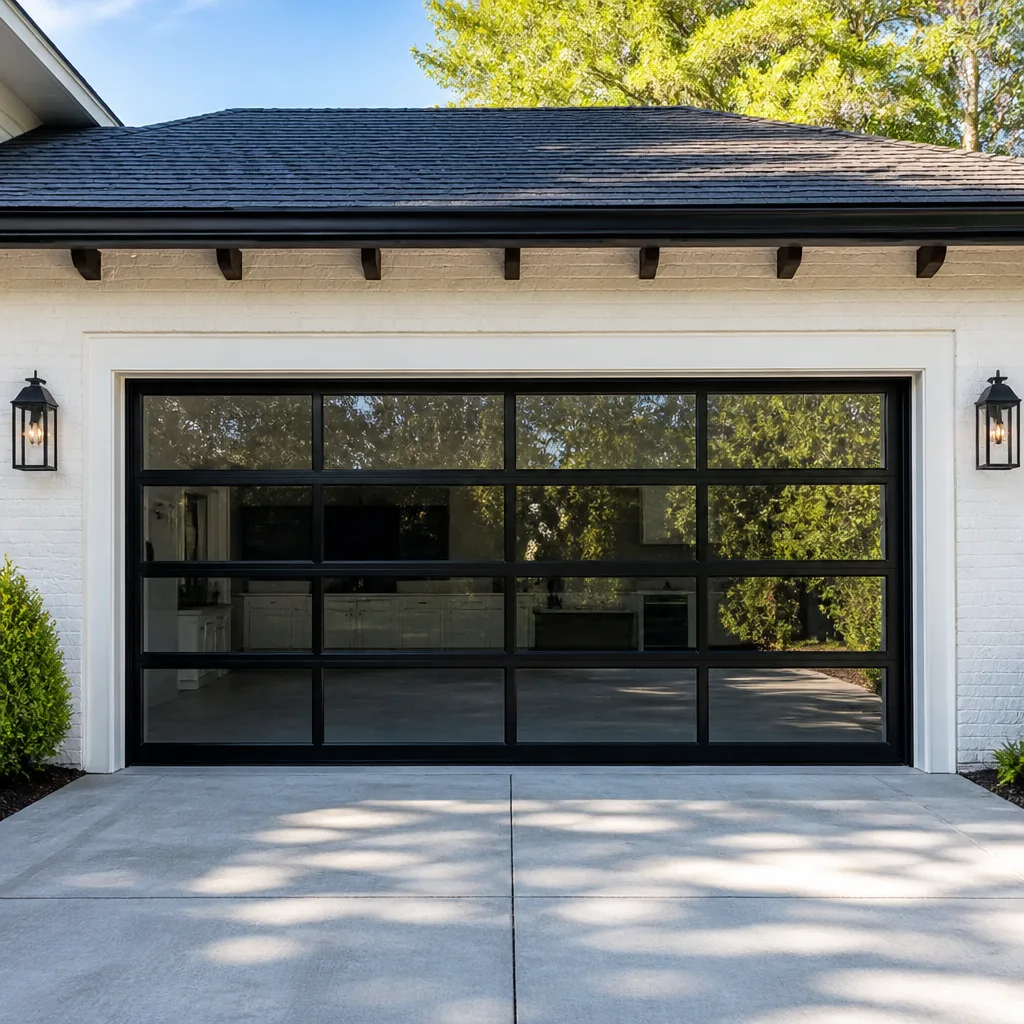 Full-view glass
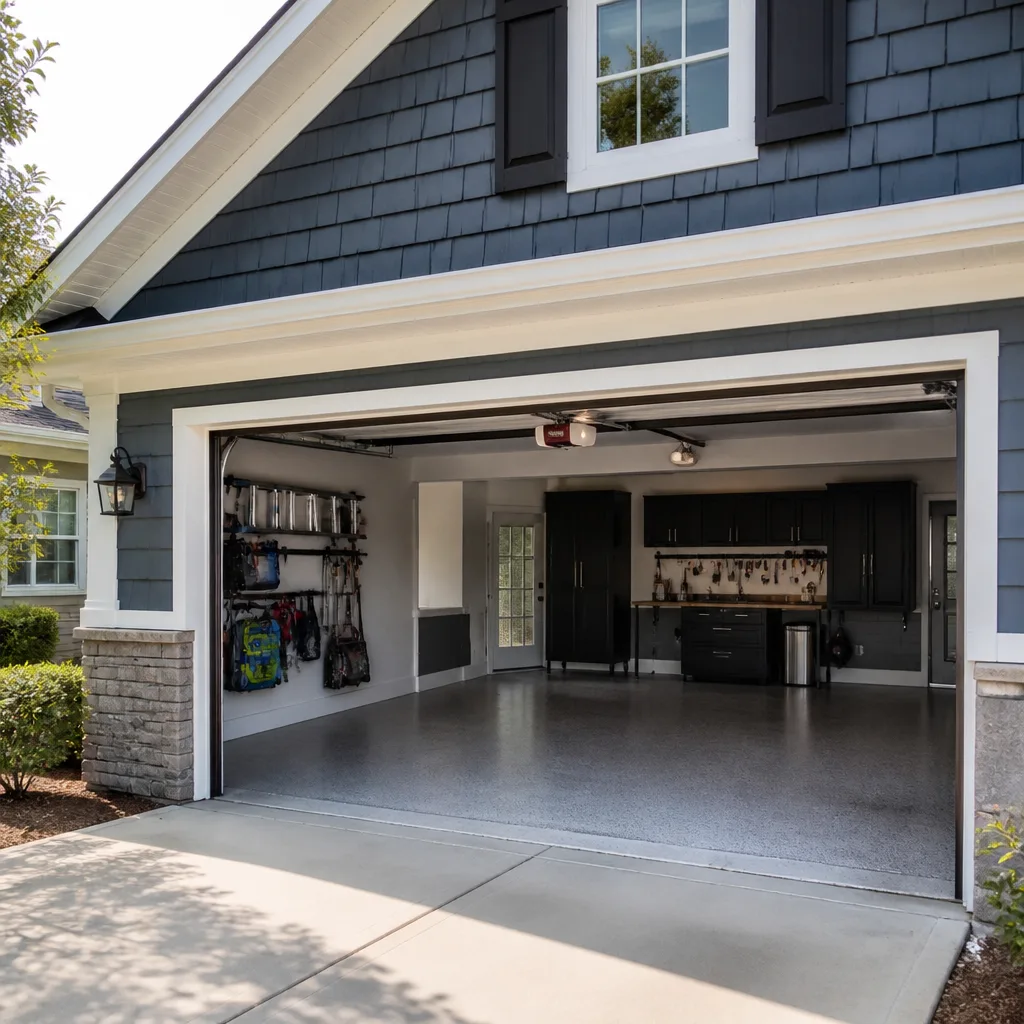 LiftMaster openers
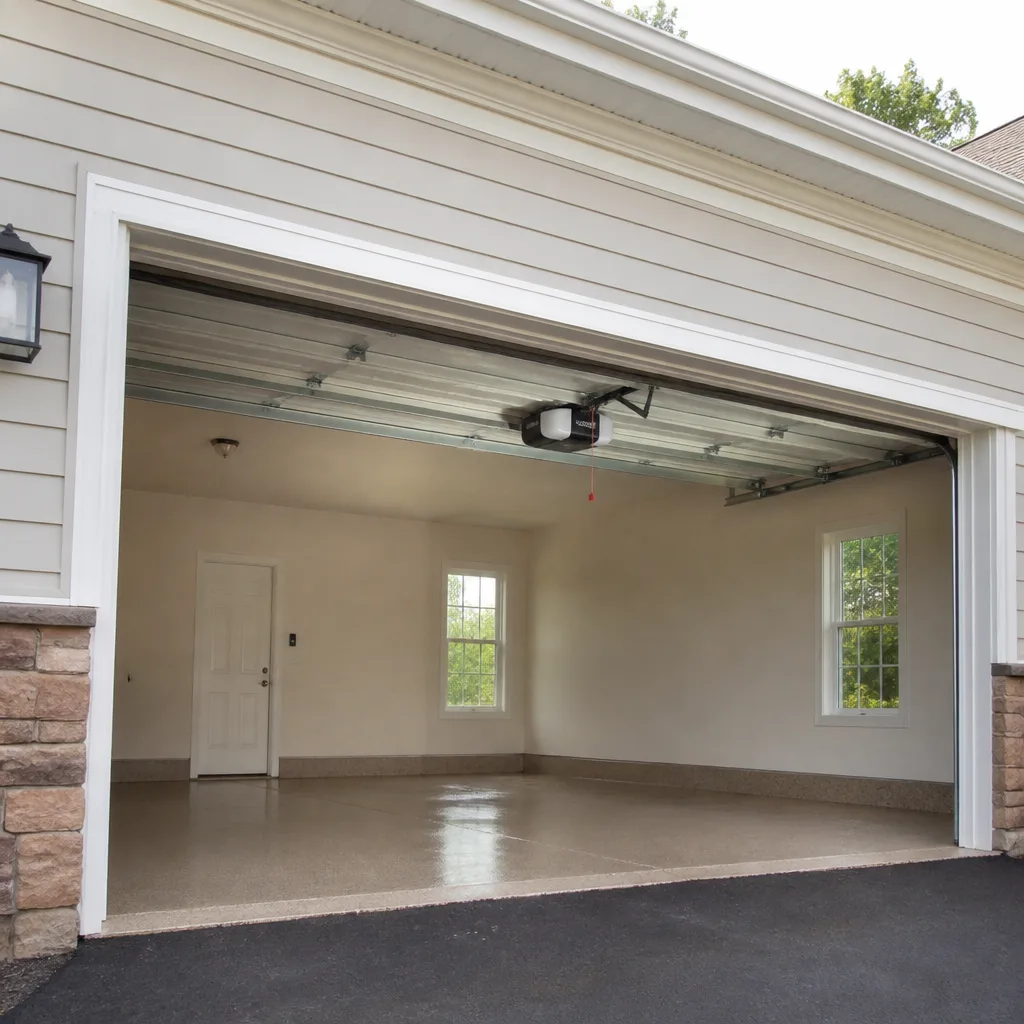 Chamberlain openers
Full 25-point door and opener safety check with every visit - springs, cables, rollers, tracks, and your LiftMaster or Chamberlain opener included
You get a price before we start. It does not change when the pro arrives.
Get your free estimateThe Complete Guide to Garage Doors in New Brunswick
Most garage door advice you’ll read online was written for a house with a wide driveway, a deep setback and a garage that sits far from the bedrooms. New Brunswick doesn’t work that way. The city’s housing stock runs from colonial-era homes near the downtown grid to mid-century ranches out toward the edges, with new Rutgers-adjacent construction squeezed onto narrow lots in between. Attached garages on lots under 5,000 square feet are common here, and that single fact changes headroom, clearance and noise decisions that a national guide never addresses.
This guide maps every door type, opener category and local factor specific to New Brunswick – freeze-thaw winters, humid Raritan River summers, tight driveways and shared walls – to the real decisions homeowners face. By the end you’ll know which door material holds up, which opener fits your garage, which changes trigger a permit, and when to repair versus replace.
Quick Answer
For most New Brunswick homeowners, the right garage door decision comes down to three things: a steel or insulated steel door sized to your actual opening, a belt-drive opener if the garage shares a wall with living space, and low-headroom hardware if your attached garage has a shallow ceiling. Repair is almost always the better call for springs, cables, rollers and openers; replacement makes sense when the door panel is structurally bent, badly rusted through, or when the opener and hardware are failing together. Check with New Brunswick’s building department before any full replacement, since permit rules differ between a repair and a new door.
Styles & brands we work with
- Raised-panel steel
- Carriage house
- Modern flush
- Full-view glass
- LiftMaster openers
- Chamberlain openers
Table of Contents
- How New Brunswick’s Housing Stock Shapes Your Door Options
- Which Door Materials Hold Up to New Jersey Weather
- Matching an Opener to Your New Brunswick Garage
- Low-Headroom and Clearance Problems in Attached Garages
- Repair or Replace? A Decision Framework
- Permit Triggers New Brunswick Homeowners Miss
- Matching Door Style to Neighborhood Character
- A Seasonal Maintenance Routine for This Climate
How New Brunswick’s Housing Stock Shapes Your Door Options
New Brunswick is not a city of uniform lots. Drive through the older residential blocks and you’ll see narrow driveways, garages tucked under second stories, and single-bay openings that were never designed for a modern 16-foot double door. Out toward the edges, mid-century ranches offer wider openings and more headroom. The newer construction near Rutgers tends to be tighter – attached garages on small footprints, sometimes shared walls with the unit next door.
What this means in practice:
- Measure before you shop. Standard door widths don’t always fit older New Brunswick openings. A door that’s two inches too wide is a return shipment, not a trim job.
- Expect low-headroom hardware on attached garages. When the ceiling is shallow, standard torsion hardware won’t clear. Low-headroom kits exist for exactly this.
- Watch for non-standard tracks. Older homes sometimes have low-clearance or custom-bent track shapes from previous work. Replacement doors need to match.
- Consider the driveway approach. A short driveway against a sidewalk means the door faces street level. That affects how much debris and runoff hits it.
If your opening is unusual, that’s not a problem – it’s a reason to have someone look before you order. Our technicians have up to 12 years of experience measuring exactly these kinds of openings, and we work on the brand already on your garage rather than proposing a replacement brand you didn’t ask for.
Which Door Materials Hold Up to New Jersey Weather
New Jersey sits in a freeze-thaw zone with humid summers, and New Brunswick feels both. The Raritan River corridor adds humidity that works on metal finishes and wood alike. Add road salt tracked into the garage from winter driving, and door material choices matter more than a brochure lets on.
Here’s how the common materials actually behave in this climate:
- Insulated steel: The workhorse choice. Handles freeze-thaw cycles well, resists warping and holds a finish. A Clopay or Amarr insulated steel door is the default recommendation for most New Brunswick homes because it balances durability and cost.
- Non-insulated steel: Cheaper, fine for a detached unheated garage, but it will sweat in summer humidity and rattle more in wind. Less ideal when the garage shares a wall with a bedroom.
- Wood and wood-composite: Beautiful on colonial-era homes, but wood needs refinishing every few years in this climate. Moisture from humid summers and freeze-thaw winters will split an unsealed wood door.
- Aluminum and glass: Good on modern façades, but glass panels and aluminum frames take a beating from thermal movement. Suitable for newer Rutgers-adjacent construction with modern siding.
On a door replacement, ask specifically about the finish warranty and whether the panel core is insulated. On a repair, the material matters less than the hardware – a Wayne Dalton steel door with a snapped spring needs a spring, not new panels. That’s the kind of diagnosis a garage door repair visit handles in one trip.
Matching an Opener to Your New Brunswick Garage
The right opener for your garage depends on where the garage sits relative to living space, how much headroom you have, and how heavy your door is. New Brunswick’s dense housing makes this less theoretical than it sounds.
Match the opener to your situation:
- Shared wall with a bedroom or living room: Belt-drive. It’s the quietest option and the one we recommend most often here. Chain-drive will work but you’ll hear it through the wall.
- Low-ceiling attached garage: Side-mount (jackshaft) opener. It mounts beside the torsion bar instead of running along the ceiling, which is the only way to fit an opener in a garage with less than about 8-10 inches above the door’s highest point.
- Heavy insulated steel door: Belt-drive or screw-drive with a properly rated motor. Underpowered openers are the most common cause of premature opener failure.
- Detached garage on a perimeter lot: Chain-drive is fine and cost-effective. Nobody’s sleeping next to it.
Genie, LiftMaster and Chamberlain models cover most of what we install, and we’ve worked on Craftsman and Raynor units too. If your existing opener is failing, an opener repair is often faster than a swap. When it does need replacing, you’ll find that a belt-drive from any major manufacturer beats a cheap no-name chain-drive on the noise and reliability side every time. If your opener is grinding, reversing, or only running from the wall panel, a garage door opener repair call can usually sort it without a replacement.
Low-Headroom and Clearance Problems in Attached Garages
This is where New Brunswick differs most from the generic garage door advice out there. Attached garages on small lots were often built tight. Headroom is the distance from the top of the door opening to the ceiling, and in older attached garages that space can be as little as 6-8 inches. Standard torsion hardware needs more.
What that means for you:
- Standard torsion won’t fit. A low-headroom torsion kit fits in about 4-5 inches of clearance above the door.
- Side-mount openers solve ceiling constraints. Mounted beside the torsion bar, they free up the ceiling entirely.
- Track choice matters. Low-clearance track is shorter. Standard track in a shallow garage means the door can hit the ceiling or stop short.
- Door weight has a ceiling too. Heavier doors need heavier springs. A low-headroom door can still be insulated – you just need the right spring rating.
If you’re unsure whether your garage has enough headroom, measure from the floor to the lowest point on the ceiling at the back of the door’s travel. Anything under about 10 inches above the opening means a standard installation won’t work cleanly. Bring that measurement to any estimate call. It saves a second visit and prevents the classic problem of a door that fits but can’t open fully.
Repair or Replace? A Decision Framework
Most homeowners in New Brunswick ask us this question. The honest answer: repair wins about 80% of the time when the door itself is structurally sound, and replacement wins when the door has failed at the panel or the hardware is failing across the whole system.
Use this decision sequence:
- Is the door itself bent, cracked or rusted through? If yes, replacement.
- Is it one spring, one cable, one roller, or the opener? If yes, repair wins on cost every time. A spring repair is a fraction of a new door.
- Are the springs, cables, rollers and opener all near end of life together? Then replacement is more economical. This is common on doors over 20 years old.
- Does the door still match its neighbors and the house? If the style is dated on a neighborhood where the exterior matters, replacement helps resale. Otherwise repair.
- Is the garage used for anything but parking? If it’s a home gym, office or laundry room, insulated replacement doors improve comfort noticeably.
When the damage is the torsion spring, we treat it as its own job, not a bolt-on. Springs are the most mechanically dangerous component on any garage door, and springs are our specialty, not an afterthought. If you want the full breakdown on what a spring repair involves and what it typically runs in this area, see our garage door spring repair page.
Safety caveat: garage door torsion springs store enormous tension. Never attempt to release, adjust or replace a spring yourself. A snapping spring can cause serious injury. This is work for a trained technician with the right winding bars and the right technique.
Permit Triggers New Brunswick Homeowners Miss
This is the section most guides skip. New Jersey municipalities differ on what triggers a building permit for garage door work, and New Brunswick is no exception. What most homeowners miss is the difference between a repair and a replacement.
In general, replacing a garage door (swapping the whole door and hardware) is more likely to trigger a permit than repairing a spring, cable or opener. But that line isn’t universal, and it can shift. Before you commit to a replacement, call the City of New Brunswick building department and ask two specific questions:
- Does replacing a sectional garage door require a building permit here? Ask in those words. The answer might depend on changes to the opening or structural work.
- Do I need to submit anything for an opener replacement or spring repair? For most repairs the answer is no, but confirm.
Two more things worth knowing:
- If your garage is attached and the opening is being widened or the header altered, that’s a structural change and is much more likely to need a permit than a straight swap.
- Some HOAs and historic districts have their own rules. New Brunswick has historic residential blocks where exterior changes – including door style – can be regulated. Ask before ordering a door in a different style or color.
We’re not your permit authority, and we don’t play one. The city’s building department answers that question definitively. But it’s worth knowing before you buy.
Matching Door Style to Neighborhood Character
New Brunswick runs from the older residential blocks around the downtown grid to the mid-century ranches at the edges and the newer construction near Rutgers. Each has its own character, and matching a door to the neighborhood matters more for resale than most people expect.
That said, over-improving is a real risk. A $6,000 custom carriage door on a modest ranch won’t come back at resale. A clean, well-fitting insulated steel door usually will, because curb appeal on a garage door is one of the most consistent returns in home resale – but the ceiling is set by the neighborhood, not by the door’s price tag.
A rough guide by district:
- Older residential blocks and colonial-era homes: Raised-panel steel with a traditional profile. Carriage-style styling on a heritage home reads well. Avoid ultra-modern flat panels.
- Mid-century ranches: Clean long-panel steel, low visual noise. A Clopay or Amarr long-panel design fits better than a stamped carriage look.
- Newer Rutgers-adjacent construction: Modern aluminum-and-glass or sleek flat-panel steel. The building style supports it.
- Historic districts: Ask the city first. Door style changes on historically designated blocks can be regulated separately.
Our general rule: match the door to the house and the street, not to a photo in a catalog. If you’re unsure, a free measure is the right starting point, because we can show you what your opening actually supports before you commit. Full New Brunswick Garage Door Repair Pros installation and repair coverage is available for all of these styles.
A Seasonal Maintenance Routine for This Climate
New Brunswick’s freeze-thaw winters and humid summers do real work on a garage door. A modest seasonal routine prevents most of the avoidable failures we see.
Do this across the year:
- Spring: Lubricate the rollers, hinges and torsion bar with a garage door lubricant. Check the weather seal along the bottom – winter ice often tears it. Test the safety reverse with a small object under the door’s path.
- Summer (in the humid Raritan corridor): Check the door panels for moisture damage, especially if it’s wood or wood-composite. Steel doors should be inspected for rust-pointing on the bottom panel edge where water sits. Balance-test the door by hand with the opener disconnected – it should hold at half-open. If it drifts, the springs are due for attention.
- Fall: Clear the tracks of leaf debris and check that the track brackets are tight. Oil the hinges. Test the manual release. This is also the best time to schedule a professional service before winter hits.
- Winter: Clear snow and ice from the door’s path, not just the driveway. Don’t force a stuck door – if it’s frozen shut, the opener can burn out trying to lift it. If a spring breaks, call before using the door. A door with a broken spring on one side can slam closed unexpectedly.
One more thing specific to this area: if the door gets iced along the bottom seal and the opener tries to lift it, that’s one of the most common causes of premature opener failure. Clearing ice is maintenance, not a chore.
Common Mistakes to Avoid
- Buying a door online before measuring the opening. New Brunswick’s older homes often have non-standard widths. Measure from jamb to jamb and top to bottom, then compare to the spec sheet before ordering.
- Replacing the opener to fix a spring problem. If the door is heavy and slow, the spring is the issue, not the motor. Replacing the opener is money spent on the wrong part.
- Ignoring headroom. Standard torsion hardware in a low-headroom attached garage is the most predictable installation failure here. Measure it and use low-headroom hardware if needed.
- Skipping the permit question on replacement. Repairs usually don’t need one. A full replacement may. Call the building department and ask before you order.
- Assuming a chain-drive opener is fine on a shared wall. The noise from a chain-drive travels. Belt-drive solves it and you’ll appreciate it the first night after installation.
- Trying to diagnose or adjust a torsion spring. Springs are dangerous. A trained technician handles that. Never attempt a spring adjustment without the right tools and training.
- Over-improving for the neighborhood. Match the door style and quality to the block, not the catalog. A modest upgrade reads well; an oversized one doesn’t come back at resale.
See the difference
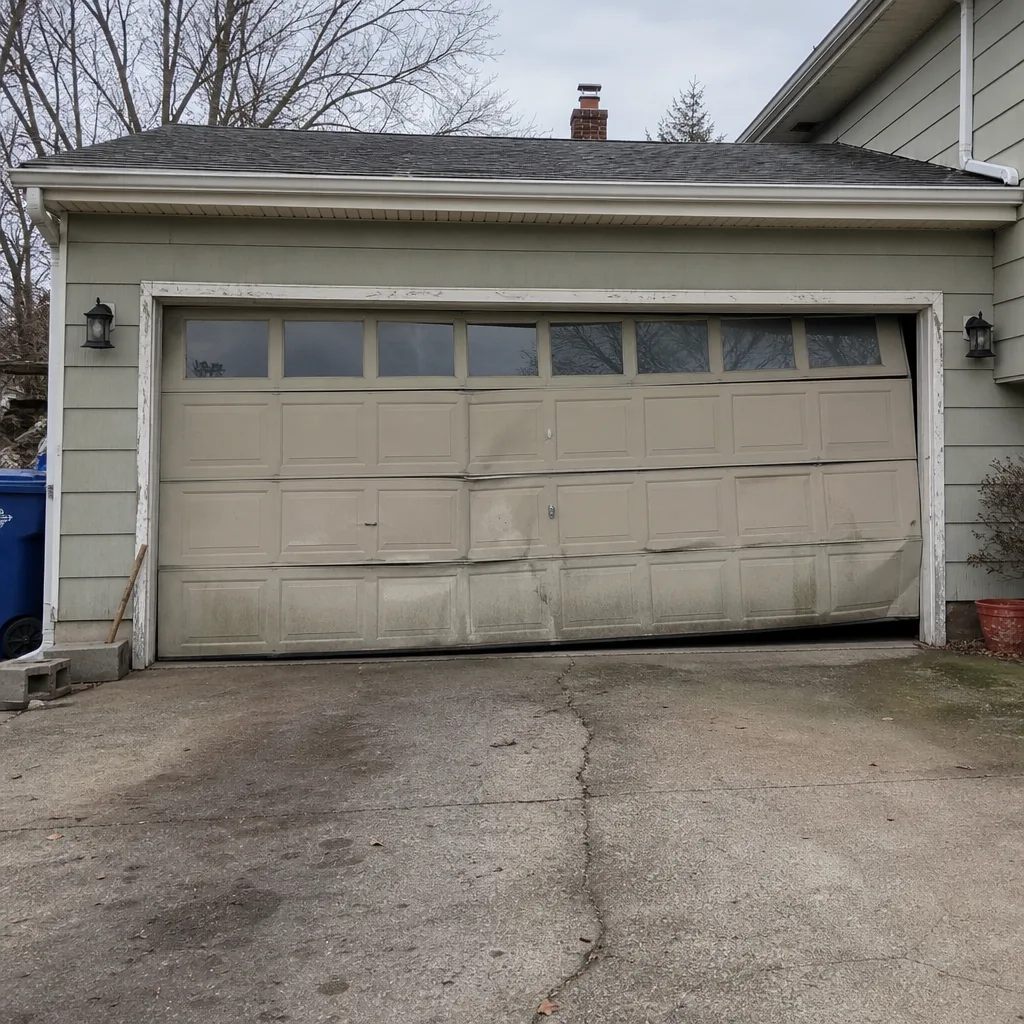 Before
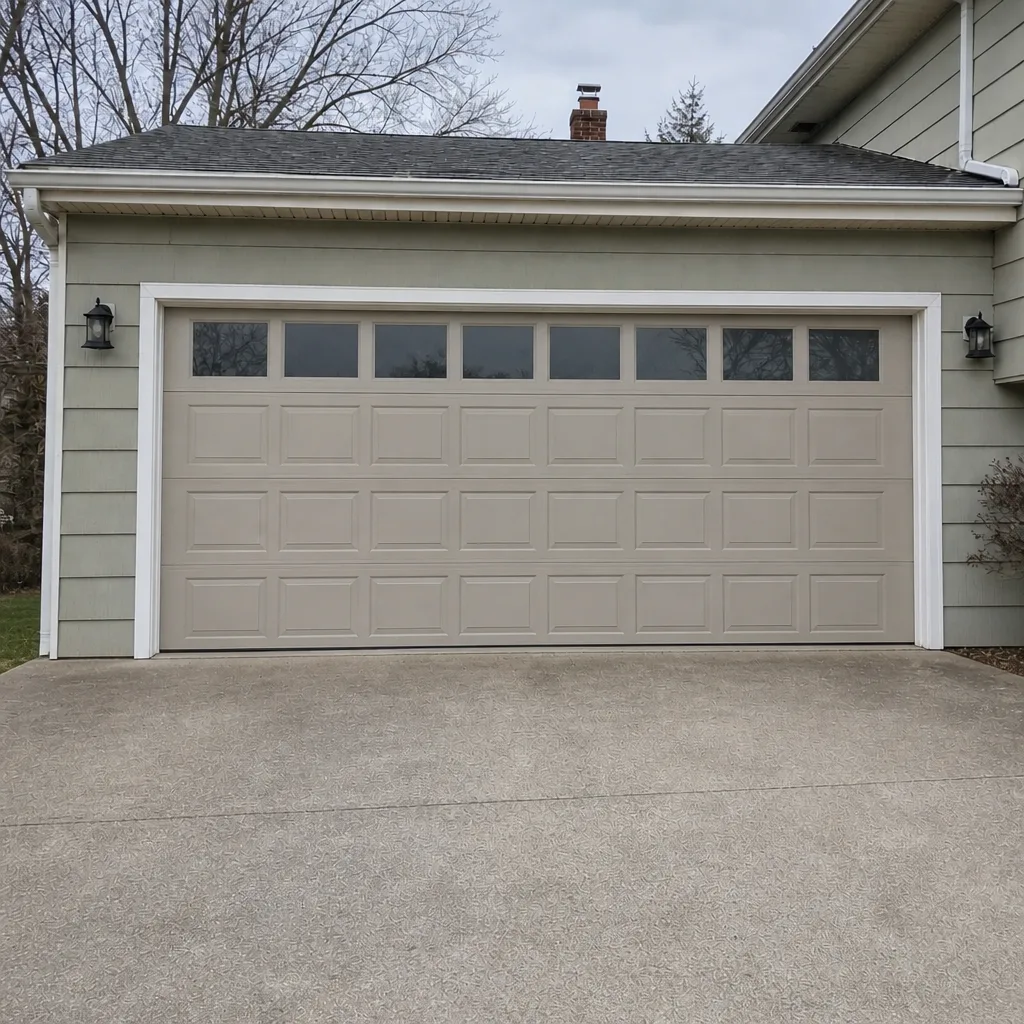 After
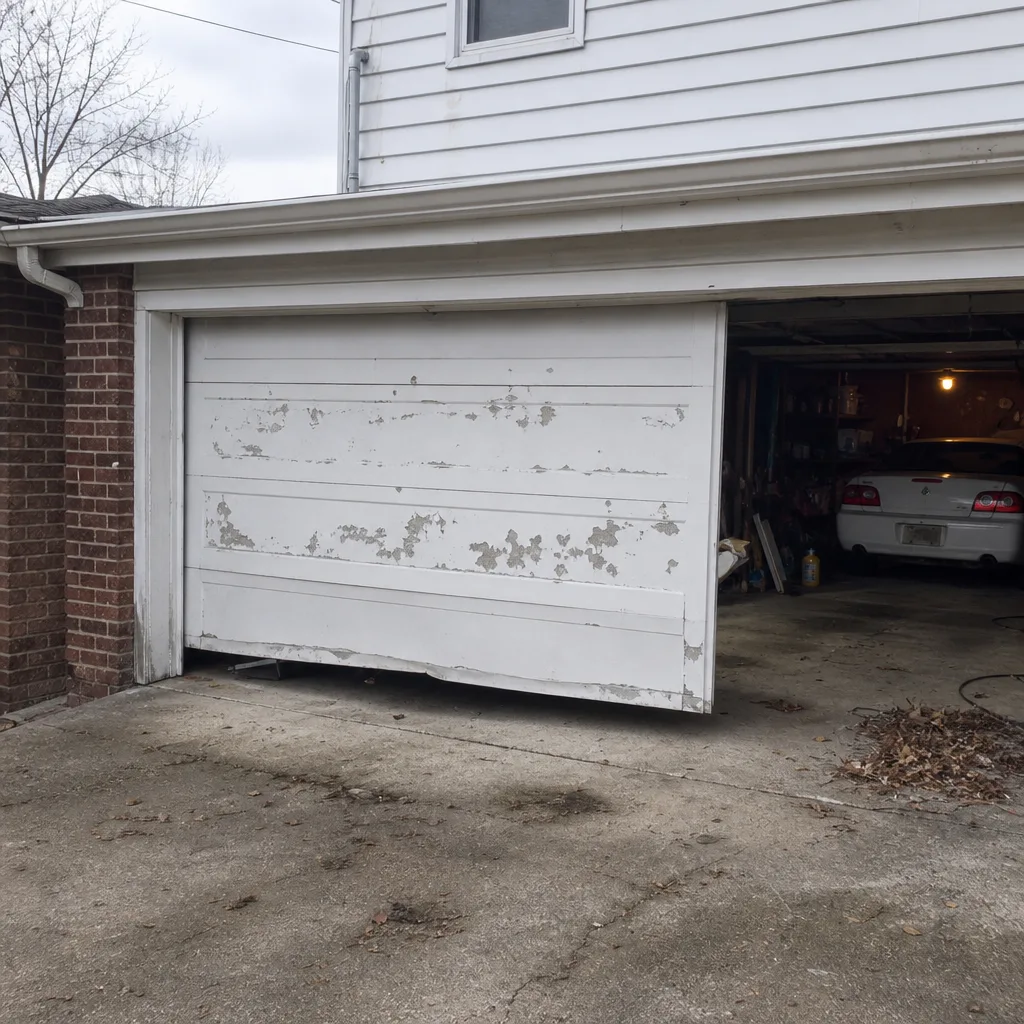 Before
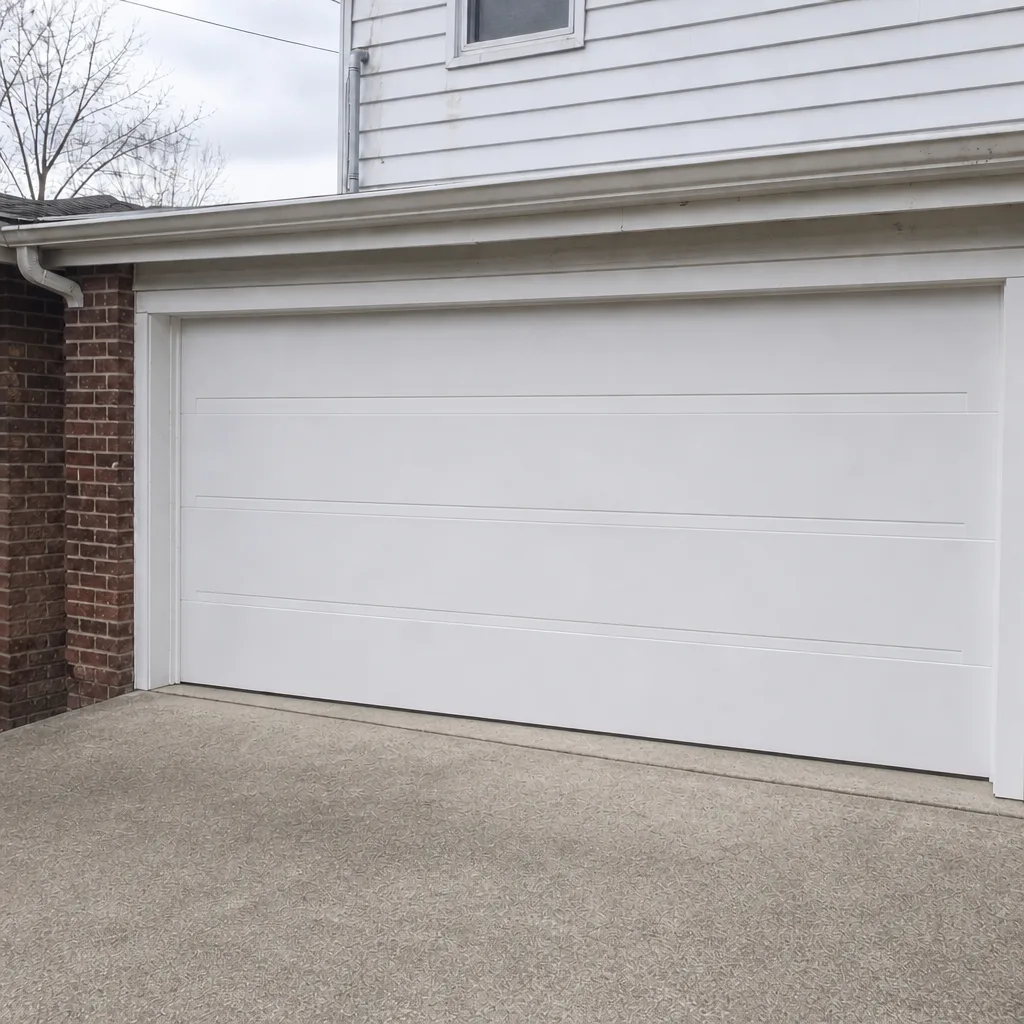 After
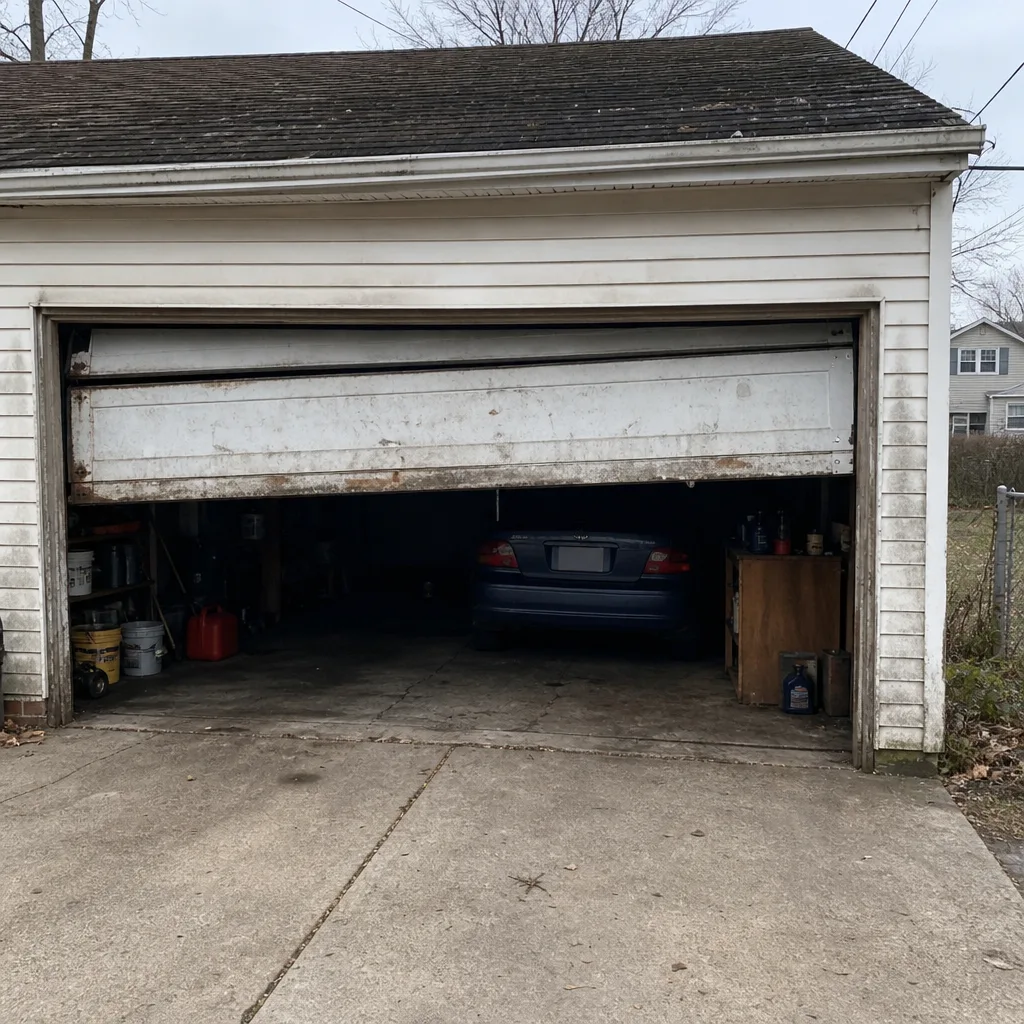 Before
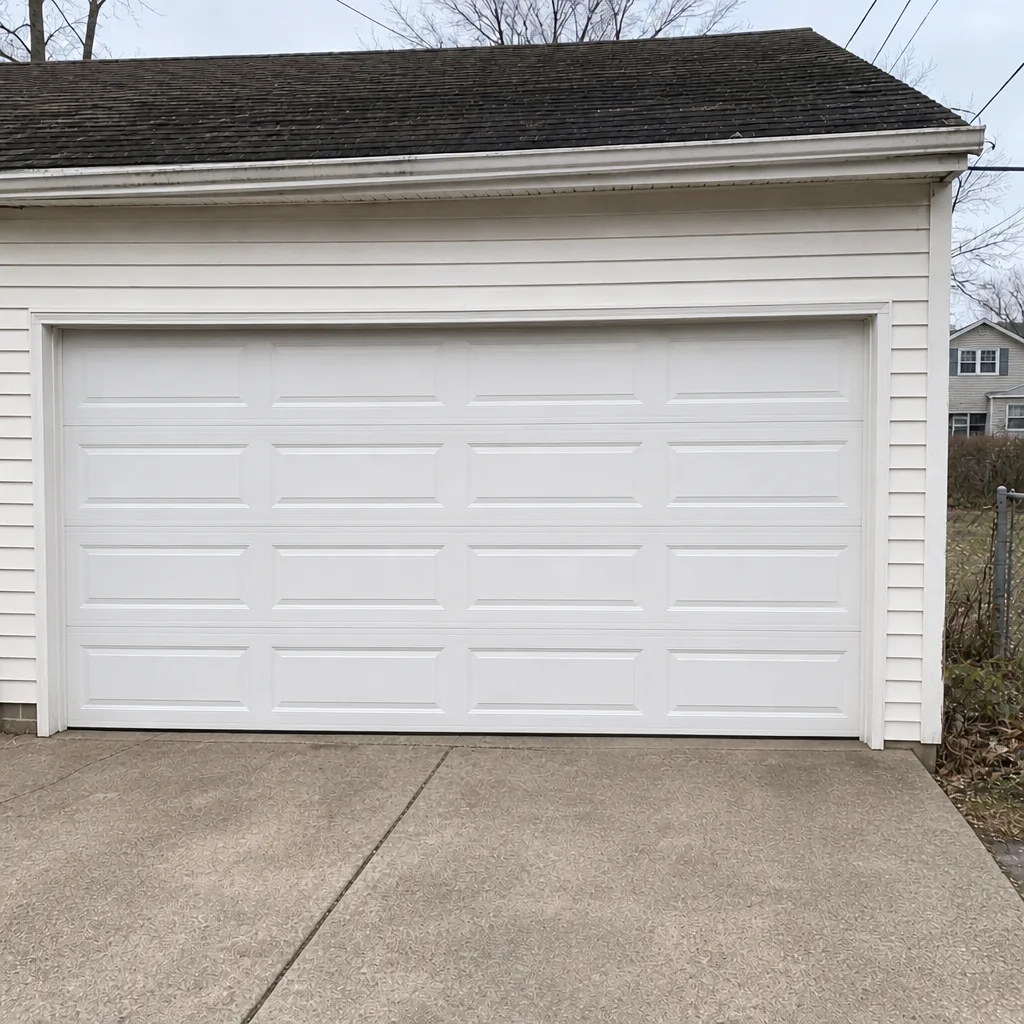 After
When to Call a Professional
Some garage door problems are safe to handle. Lubrication, weather seal replacement and clearing the bottom track are all homeowner work. Everything else involves tension, weight or an opening that has to be measured accurately. Call a professional when the door is off track or the door won’t close on its own; when a spring or cable has snapped; when the opener runs but the door doesn’t move, or it moves unevenly; when the door is closing at the wrong speed or reversing on its own; when the door has been damaged by a car impact or a storm; or when you’re planning a replacement and need an accurate measure plus a permit conversation with the city building department. New Brunswick Garage Door Repair Pros offers free estimates in New Brunswick, and we work on the brands already on your garage. Call (866) 937-8856. We answer 24/7. Fast dispatch from 7am to 7pm, Sunday through Friday.
Frequently Asked Questions
Most New Brunswick homeowners pay between roughly $900 and $2,400 for a standard single-car door installed, or $1,500 to $4,500 for a double door, depending on material and insulation. Insulated steel at the low-to-mid end of that range is the most common choice here because it handles the freeze-thaw climate without needing wood refinishing. A written estimate sets the final price before any work begins, and the measure visit is free. Call (866) 937-8856 for an exact quote – estimates are free.
Often yes. Spring repair is a defined job and we dispatch Sunday through Friday, 7am to 7pm, so a same-day spring replacement is realistic for most calls placed during dispatch hours. The most important thing to know: never try to open the door yourself while a spring is broken, and never attempt the repair. Call (866) 937-8856 and we’ll get a technician out.
No. We quote and agree on the price before any work starts, based on what we find on site. If we discover something different from what we discussed by phone, we explain it and get your approval before proceeding. That’s the whole point of a written estimate. Call (866) 937-8856 for a free estimate – the price is set per job by the written quote, not changed after the work.
New Jersey rules vary, and the safe answer for New Brunswick is: call the city’s building department and ask specifically whether a replacement door requires a permit. A repair (spring, opener, rollers) usually doesn’t. A full replacement may. Don’t guess – the building department is the authority on this, and the call takes five minutes.
A belt-drive opener. It’s the quietest option and the one we install most often in New Brunswick’s attached-garage homes. If your garage has low ceiling clearance, a side-mount (jackshaft) belt-drive opener handles both problems in one unit. LiftMaster, Chamberlain and Genie all make belt-drive models that fit. Call (866) 937-8856 to discuss which opener suits your garage.
Yes, emergency garage door service is part of what we do, covering broken springs, doors off track and opener failures when the door has to work. We answer 24/7. Fast dispatch from 7am to 7pm, Sunday through Friday. A call outside dispatch hours is booked into the next opening. Call (866) 937-8856.
The Bottom Line
Garage doors in New Brunswick are a different animal than the generic advice out there. Tight lots, attached garages with shallow headroom, and a freeze-thaw-plus-humidity climate mean you need the door and the hardware that fit your actual house – not a one-size-fits-all recommendation. Measure before you buy. Use low-headroom hardware when the clearance is tight. Choose belt-drive for shared walls. Ask the building department about permits before any replacement. And when something on the mechanical side fails – a spring, a cable, the opener – call a specialist rather than trying to tackle it yourself. Our technicians have up to 12 years of experience, we work on the brand already on your garage, and our service covers repair, opener work, spring repair and full installation. Call (866) 937-8856. We answer 24/7. Fast dispatch from 7am to 7pm, Sunday through Friday.
Written by the team at New Brunswick Garage Door Repair Pros.